
Judicial Overhaul and the Threat to Checks and Balances
On October 31, Israelis will vote in a national election that could reshape the nation’s political landscape. Prime Minister Benjamin Netanyahu seeks a fourth consecutive term, while opposition parties rally around promises of reform. The ballot will determine whether Israel moves further toward illiberal governance or restores a more balanced system.
Latest news
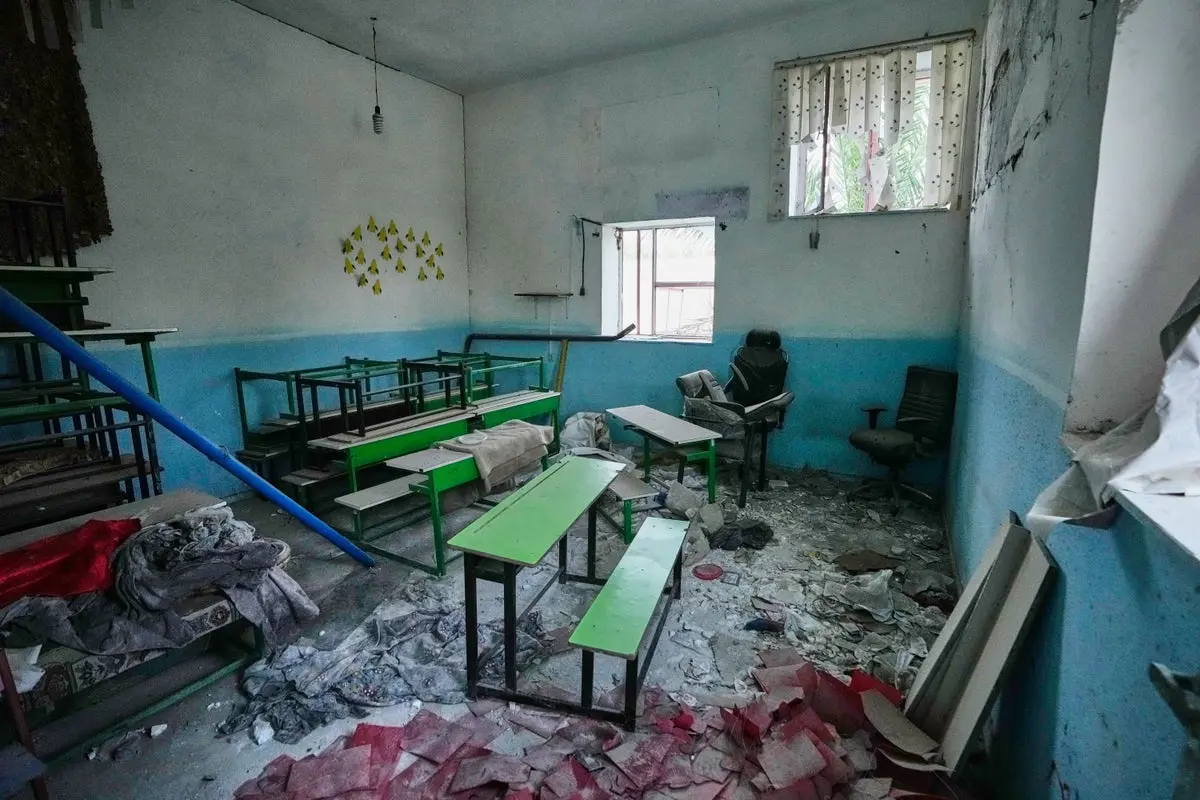 UN Report Accuses US and Iran of Serious Human Rights Violations
 Canada Eyes EU Associate Membership Under Prime Minister Mark Carney
 Fiji Declares National Emergency Over Rapid HIV Surge
 Israeli Forces Detain Palestinian Journalist in Ramallah Raid
The contest follows a year of turmoil, including a war with Hamas, massive street protests, and a controversial judicial overhaul. Netanyahu’s coalition relies on right‑wing and religious parties that support curbing the Supreme Court’s power. Critics argue that the reforms undermine checks and balances, threatening civil liberties. International observers warn that a victory for the incumbent could accelerate Israel’s drift away from liberal democratic norms.
The proposed changes would allow the Knesset to override Supreme Court decisions with a simple majority. Proponents claim this restores democratic sovereignty, but legal scholars warn it erodes judicial independence. „When legislators can rewrite the law at will, the rule of law collapses,” said Prof. Yael Levy of Tel Aviv University. Recent protests have drawn hundreds of thousands of citizens demanding the repeal of the bill. Polls show that 58 % of voters view the reforms as a step toward authoritarianism, reflecting deep societal division.
Can Economic Growth Survive a Political Crisis?
Israel’s high‑tech sector, responsible for a third of GDP, thrives on stability and rule of‑law confidence. Investors have expressed unease as political uncertainty spikes, with foreign direct investment falling 7 % in the last quarter. Netanyahu argues that a strong government will protect security, fostering a conducive environment for innovation. Yet analysts caution that continued unrest could drive talent abroad, weakening the nation’s competitive edge. The upcoming election therefore holds economic stakes as high as its political ones.
If Netanyahu wins, the judicial reforms are likely to pass, cementing a new power dynamic. Opposition parties warn that such a shift could alienate Israel’s Western allies and fuel internal dissent. Conversely, a defeat could stall the reforms, restoring a more conventional balance of power but leaving the coalition fragmented. The election’s outcome will set the tone for Israel’s democratic health and its role on the global stage for years to come.
Frequently Asked Questions
What are the main components of the judicial reform? The plan would let the legislature override Supreme Court rulings with a simple majority, limit the court’s ability to review laws, and change judge appointment procedures.
How might the election affect Israel’s tech industry? Stability encourages investment; a controversial victory could spur capital flight and talent loss, while a moderate outcome may reassure investors and preserve growth.
When will the new government take office if the election results are confirmed? The new cabinet is expected to be sworn in within two weeks of the official certification of results, pending coalition negotiations.