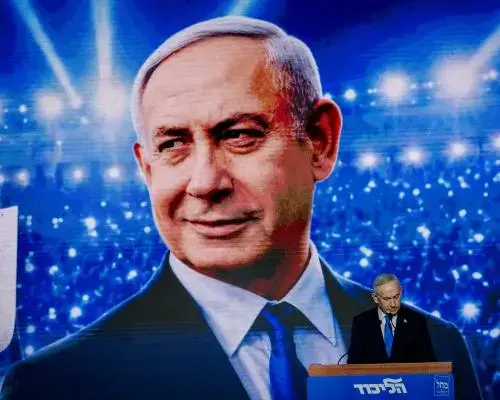
Unlike past elections, no single bloc appears poised to dominate
Israelis will head to the polls on October 27 in what many describe as the most consequential election in the country’s history. The vote comes amid deep political divisions, ongoing security challenges, and intense international scrutiny. Candidates across the spectrum are framing this moment as a turning point for Israel’s democratic identity and regional standing. The stakes extend far beyond domestic policy, touching on Israel’s relationships with allies, its approach to the Palestinian issue, and the balance between religious and secular influences in government. Recent visits by international observers have highlighted how global attention is focused on whether Israel can maintain its democratic character amid rising polarization. Voters are being asked to choose not just leaders, but a direction for the nation’s future. Why This Election Feels Different Political analysts note that fragmented party landscapes and the rise of new movements have made coalition-building increasingly difficult.
Latest news
 South Africans Mark Femicide Victims in Emotional Cape Town Vigil
 Russians flee ahead of election results, fearing forced mobilisation
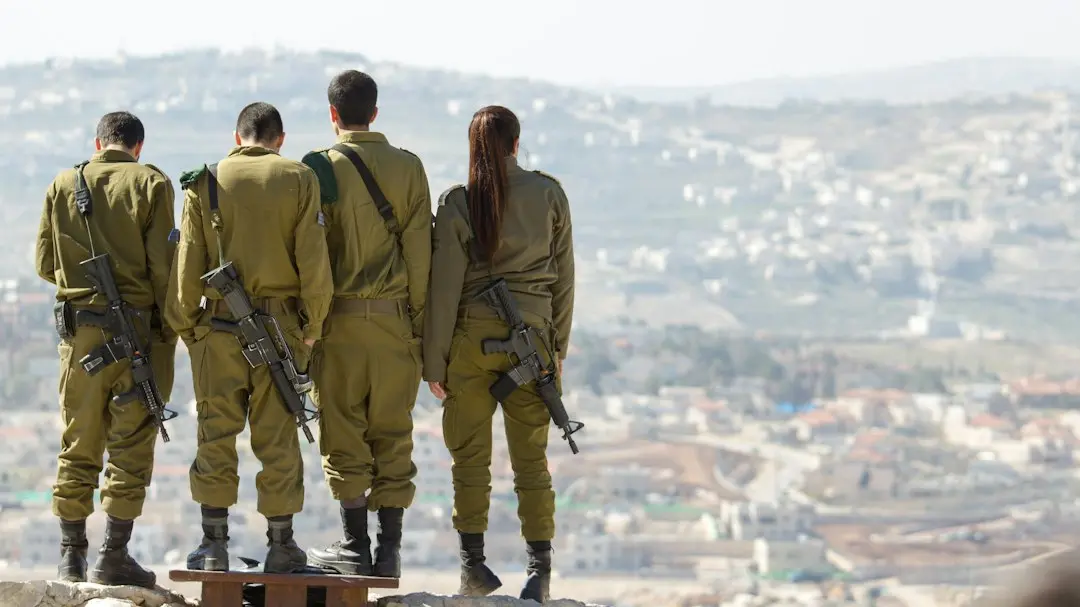 Israeli Forces Conduct Demolitions in Southern Lebanon, Hospital Set Ablaze
 Fear of AI Job Losses Now Outweighs Hope for New Opportunities, Study Shows
Unlike past elections, no single bloc appears poised to dominate, raising the prospect of prolonged negotiations or even another vote. Security concerns, economic pressures, and debates over judicial reform continue to fuel voter urgency. Many citizens express frustration with the current political climate, yet remain determined to participate. What Are Voters Really Deciding On? At its core, the election is a referendum on Israel’s values and vision. Supporters of change argue the country needs a reset to address inequality and restore trust in institutions. Others warn that shifting course could weaken national security or erode Jewish character. The outcome will influence everything from budget priorities to diplomatic initiatives. Observers say the world is watching closely, aware that Israel’s choices reverberate far beyond its borders. Frequently Asked Questions What makes this election historically significant?
It is seen as a pivotal moment where Israel’s democratic foundations, security policies, and social cohesion are all being directly challenged by voters. How might international relations be affected? Depending on the result, Israel’s approach to alliances, peace efforts, and regional cooperation could shift, influencing foreign policy decisions globally. Could this lead to another election soon? If no clear coalition emerges, political deadlock could result in a repeat vote, as has happened in recent years.