Rethinking Intergenerational Fairness
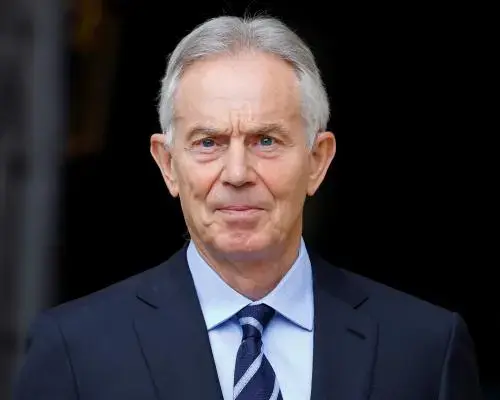
Labour is facing calls to drop its commitment to the „triple lock” pension system. Tony Blair’s thinktank argues the policy is now financially unsustainable. This comes as broader economic pressures and potential conflicts strain public finances. The recommendation signals a potential shift in Labour’s long-held position.
Latest news
 Houthi Rebels Issue New Threats Against Saudi Military Infrastructure
 Houthi Rebels Seize Strategic Hanish Islands in Red Sea
 Global Markets Stumble as AI Leaders Call for Development Slowdown
 AI Takes Control of Clinical Eye Screenings in China
The Tony Blair Institute (TBI) believes the current pension system is outdated. It was designed for a different economic reality. Maintaining the triple lock—which guarantees pensions increase by the highest of earnings growth, price inflation, or 2.5%—is deemed „unaffordable.” TBI suggests a comprehensive review of state pension funding is necessary. The escalating costs associated with the triple lock are becoming a significant burden.
TBI’s report highlights concerns about fairness between generations. The current system disproportionately benefits older people. This potentially comes at the expense of younger generations facing different economic challenges. The thinktank proposes exploring alternative methods for pension uprating. These could include linking increases to average earnings only, or a modified inflation measure. This would create a more balanced approach to public spending.
Can Labour Afford to Change Course?
The timing of this recommendation is significant. Global instability, particularly the situation in Iran, threatens to disrupt government spending plans. This adds urgency to finding savings across all departments. TBI argues that difficult choices must be made to ensure the long-term stability of the public finances. They believe Labour needs to demonstrate fiscal responsibility.
Abandoning a key manifesto pledge carries political risks. The triple lock is popular with older voters, a crucial demographic for Labour. However, TBI believes the long-term benefits of fiscal stability outweigh the short-term political costs. They suggest framing the change as a necessary step to protect the pension system for future generations. This requires clear communication and a compelling narrative.
Frequently Asked Questions
Failure to address the affordability of the triple lock could lead to deeper cuts in other public services. It could also jeopardize the long-term sustainability of the state pension itself. Labour faces a difficult balancing act between fulfilling its promises and ensuring responsible economic management. The party’s decision will have significant implications for both current and future pensioners.
What is the „triple lock”? The triple lock is a commitment to increase state pensions annually by the highest of earnings growth, price inflation, or 2.5%. It was introduced in 2010 and has significantly increased pension payments.
Why is the triple lock under scrutiny now? Economic pressures, combined with global instability, are straining public finances. The triple lock’s rising costs are seen as unsustainable by some, including Tony Blair’s thinktank. They argue it’s unfair to younger generations.