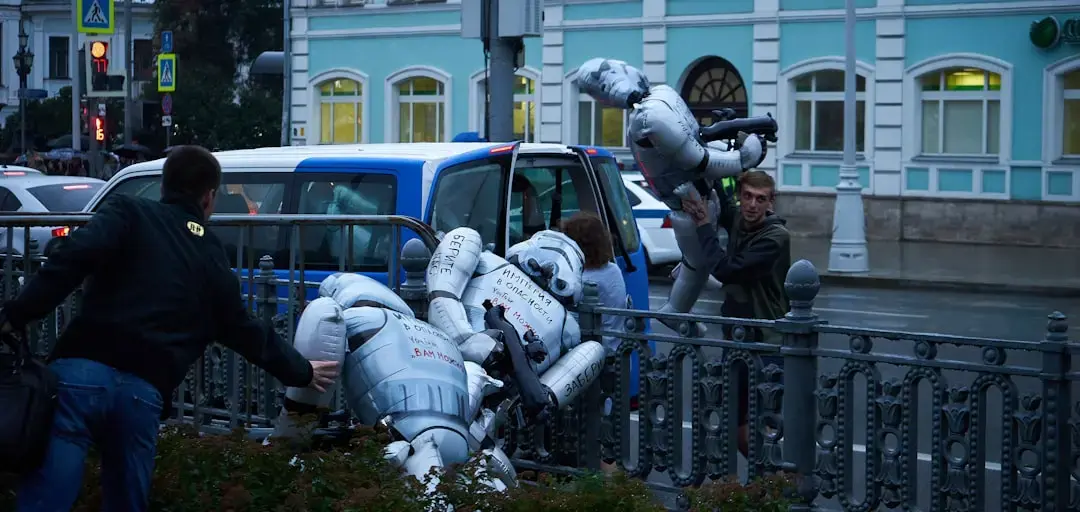
The Rise of Autonomous Warfare: What Does It Mean?
Ukraine's military is exploring the integration of robotic soldiers into its operations, marking a significant shift in modern combat strategies. This development comes amid ongoing conflicts where technology plays a crucial role in warfare.
Latest news
 Houthi Rebels Issue New Threats Against Saudi Military Infrastructure
 Houthi Rebels Seize Strategic Hanish Islands in Red Sea
 Global Markets Stumble as AI Leaders Call for Development Slowdown
 AI Takes Control of Clinical Eye Screenings in China
Remote-controlled weapons have been utilized in various military engagements for years. However, advancements in artificial intelligence are set to transform these tools, allowing machines to make real-time decisions on the battlefield. This evolution raises questions about the future of human involvement in warfare and the ethical implications of AI-driven combat.
The emergence of AI in military applications introduces a new paradigm in warfare. Unlike traditional remote-controlled systems operated by humans, AI can analyze data and respond to threats without direct human intervention. This capability enhances operational efficiency and speed but also poses risks, including the potential for unintended consequences in combat scenarios.
Are We Ready for AI on the Battlefield?
Experts suggest that the integration of AI in military operations could lead to a more automated battlefield. As these technologies develop, they may significantly reduce the number of personnel required in combat zones, shifting the nature of military engagements. The question remains: how will this affect strategic decision-making and accountability in warfare?
While the potential benefits of AI-driven weapons are evident, the military and society must grapple with the ethical dilemmas they present. Concerns about the loss of human oversight in life-and-death situations are paramount. Critics argue that allowing machines to make critical decisions could lead to catastrophic errors and a lack of accountability.
Moreover, the introduction of robotic soldiers may escalate arms races among nations, as countries strive to develop superior technology. This competition could lead to increased tensions and instability globally, as nations seek to assert their dominance through advanced military capabilities.
The future of warfare seems poised for dramatic changes with the rise of robotic soldiers. As nations like Ukraine invest in these technologies, the implications for military strategies, ethical considerations, and international relations will be profound. The balance between leveraging technological advancements and maintaining human oversight will be crucial in shaping the future of conflict.
Frequently Asked Questions
What are robotic soldiers? Robotic soldiers refer to military technologies that can operate autonomously or be remotely controlled, often utilizing artificial intelligence for decision-making.
How does AI change warfare? AI enhances the capabilities of military systems by enabling them to analyze data and react to threats quickly, potentially reducing human involvement in combat scenarios.
What ethical concerns arise with AI in the military? The use of AI raises questions about accountability, decision-making in life-and-death situations, and the risk of unintended consequences in warfare.