Frequently Asked Questions
Tensions around the Strait of Hormuz have drawn attention to other critical waterways. Experts warn that shipping channels like the Taiwan Strait and Strait of Malacca are being used as geopolitical leverage, potentially disrupting global trade. This has raised concerns among economists and policymakers. The issue is becoming increasingly pressing.
Latest news
 South Africans Mark Femicide Victims in Emotional Cape Town Vigil
 Russians flee ahead of election results, fearing forced mobilisation
 Israeli Forces Conduct Demolitions in Southern Lebanon, Hospital Set Ablaze
 Fear of AI Job Losses Now Outweighs Hope for New Opportunities, Study Shows
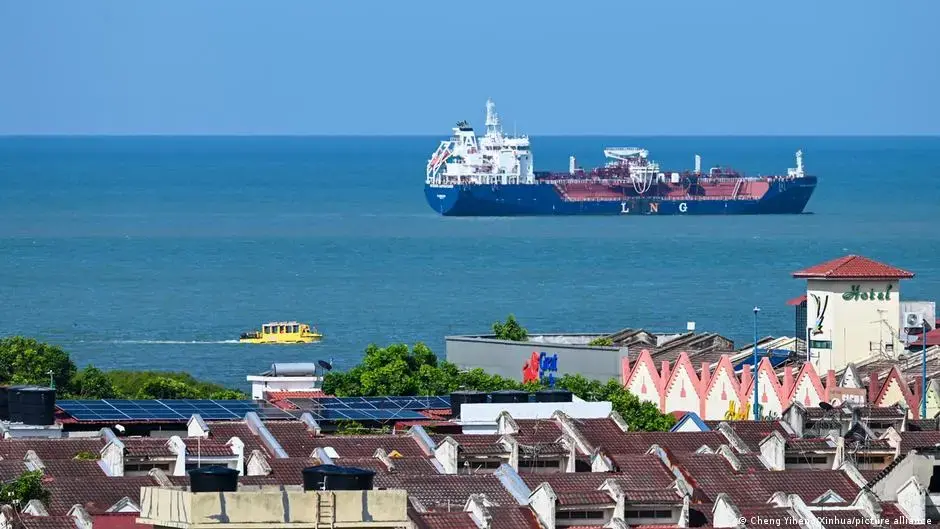
The world economy relies heavily on these maritime routes for the transportation of goods, including oil and electronics. Conflicts or disruptions in these areas can have far-reaching consequences, affecting economies worldwide. The Strait of Hormuz, for instance, is a vital route for oil exports from the Middle East. Chokepoints as Geopolitical Tools Experts point out that countries with significant military presence in these regions can exert considerable influence over global trade. China, for example, has been increasing its naval presence in the Taiwan Strait, heightening tensions with Taiwan and other regional players. Similarly, the Strait of Malacca, a crucial passage between Southeast Asia and the Indian Ocean, is also a point of contention among regional powers.
The Taiwan Strait is particularly sensitive due to the complex relations
The Taiwan Strait is particularly sensitive due to the complex relations between China, Taiwan, and the United States. Any escalation in this region could have significant implications for global trade and security. Can Global Trade Withstand the Pressure? The economic implications of disruptions to these shipping channels are substantial. A significant portion of global trade, including oil and manufactured goods, relies on these routes. Disruptions could lead to price increases, supply chain delays, and economic instability. Economists are closely monitoring the situation, warning that the consequences of inaction or conflict could be severe.
The increasing militarization of these waterways and the potential for conflict underscore the need for diplomatic efforts to ensure the free flow of goods. The global economy's reliance on these shipping channels demands a coordinated response to mitigate risks and prevent disruptions.
What is the significance of the Strait of Hormuz? The Strait of Hormuz is a critical waterway for global oil exports, with a significant portion of the world's oil supply passing through it. Why are maritime chokepoints important? Maritime chokepoints are vital for global trade, with many essential goods, including oil and electronics, relying on these routes for transportation. What are the potential consequences of disruptions? Disruptions to these shipping channels could lead to economic instability, price increases, and supply chain delays, affecting economies worldwide.