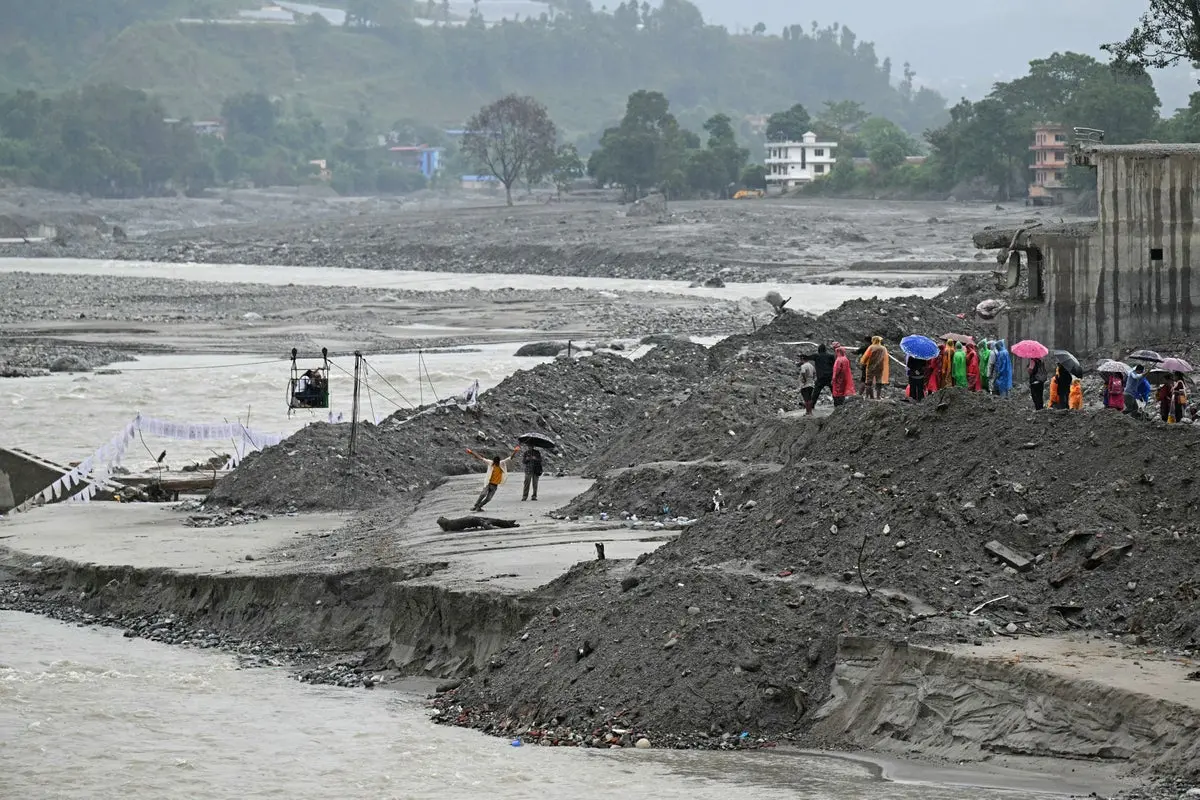
The Financial Toll of Climate Instability
Recent catastrophic flooding in Nepal has pushed the nation toward a severe financial crisis. New data indicates the disaster will add billions to the country’s national debt. Experts warn that climate-vulnerable nations are being forced to borrow heavily just to recover from environmental destruction they did not cause.
Latest news
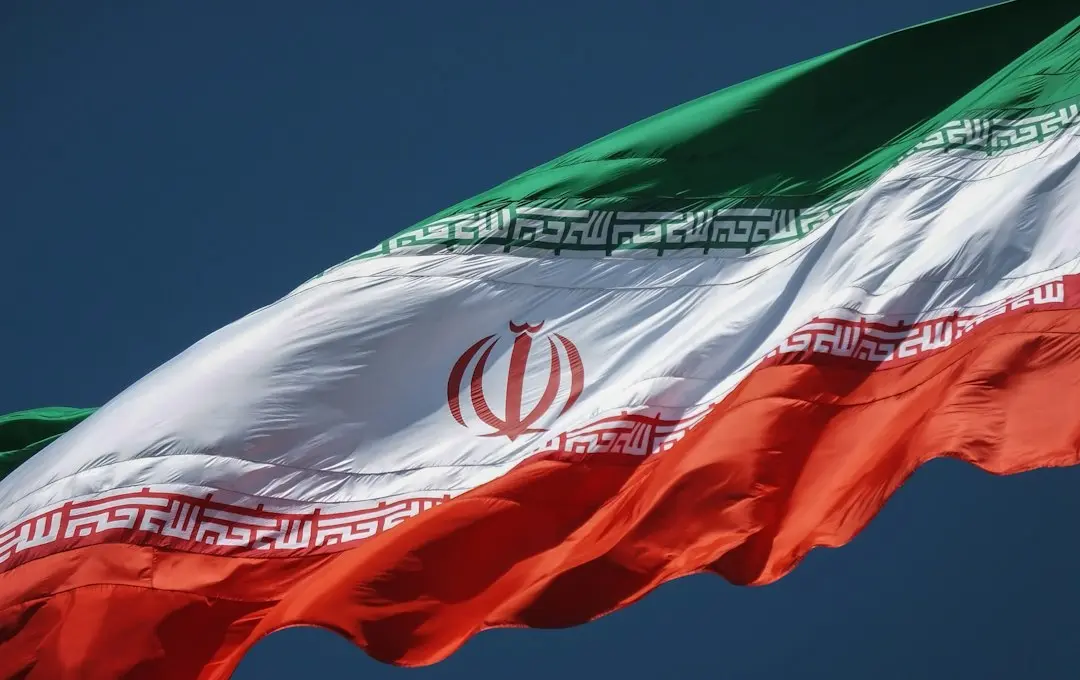 Iran Declares Conflict With Washington Far From Over
 US denies Iran captured underwater drones in Strait of Hormuz
 Cognac Faces Trade‑War Fallout as Sales Slump
 Home Office Faces Lawsuits After Revoking EU Residents’ Rights
The financial burden stems from the urgent need to rebuild critical infrastructure destroyed by extreme weather. As the government diverts funds toward emergency relief and reconstruction, the national budget is buckling under the pressure. This cycle of disaster and debt is becoming a recurring reality for developing economies.
Climate researchers highlight that the cost of recovery far exceeds the immediate humanitarian aid provided by the international community. Nepal must now navigate high interest rates while attempting to restore essential services. This economic strain threatens long-term development goals, as resources are stripped from education and healthcare to pay off disaster-related loans.
Is Global Debt Relief the Only Path Forward?
Advocates argue that the current global financial system is fundamentally unfair to countries like Nepal. These nations contribute the least to global carbon emissions yet suffer the most frequent and intense climate impacts. There is a growing demand for wealthy nations to provide non-debt-based compensation to address these climate-driven losses.
The reliance on loans for climate recovery creates a trap that keeps vulnerable countries in a state of perpetual instability. Without systemic changes to how disaster relief is funded, Nepal and similar nations will continue to see their sovereign debt spiral. Policymakers are now calling for a shift toward grants instead of loans for climate adaptation efforts.
Frequently Asked Questions
Failure to address this debt crisis will likely lead to further economic stagnation across the region. If international financial institutions do not offer debt forgiveness or restructuring, the recovery process will remain slow and incomplete. The future of Nepal’s economy depends on whether the global community acknowledges its responsibility for these climate-induced disasters.
Why are floods causing such a significant increase in national debt? The government must borrow money to rebuild infrastructure and provide emergency aid after disasters. Because these costs are so high, the country takes on massive loans that increase the overall national debt burden.
What are campaigners demanding from wealthier nations? Advocates want rich countries to provide grants rather than loans to help vulnerable nations recover. They argue that those who contributed most to climate change should pay for the damage caused in developing countries.