The Legal Tangle Behind the Arrest
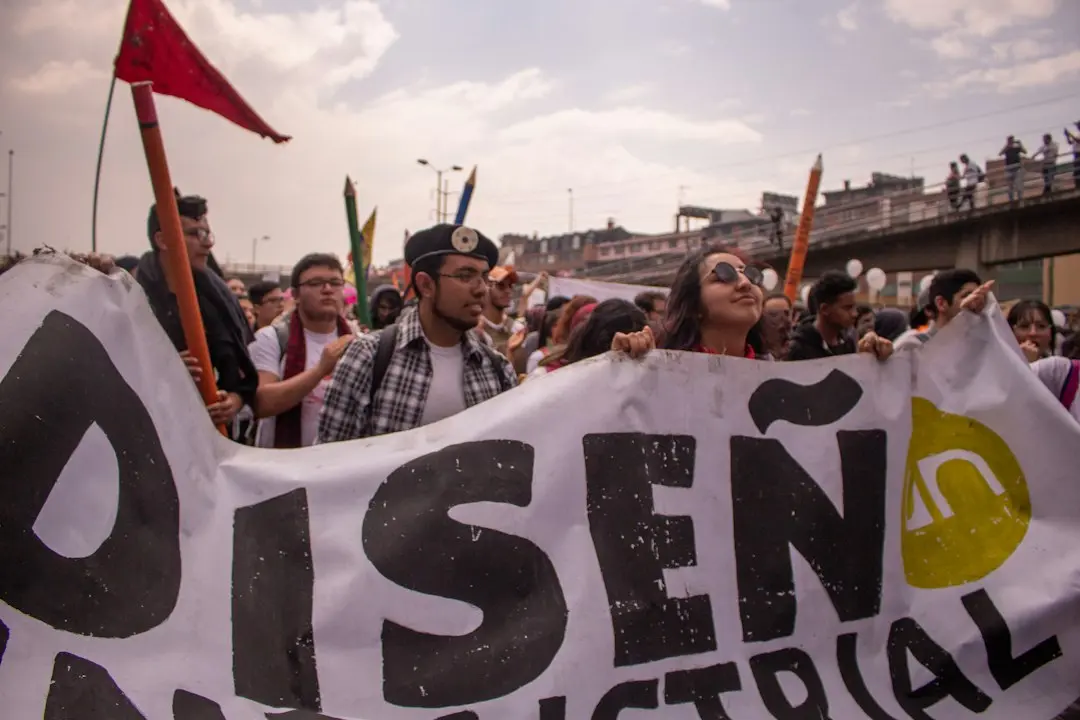
Luis Galeano, a veteran Nicaraguan reporter who has lived in exile for years, was taken into custody by U. S. Immigration and Customs Enforcement on Thursday in Miami, Florida. Galeano has been awaiting the outcome of a seven‑year‑old asylum request and is among at least 94 Nicaraguans stripped of citizenship by President Daniel Ortega’s government for their dissent.
Latest news
 IMF Cuts Australia Growth Forecast Amid Rate Hike Warnings
 Congress Passes Bill Granting Trump Expanded Sanctions Authority
 AI pioneer Yoshua Bengio warns of imminent crisis
 U.S. Stocks Slide After Fed Hike, With More Increases Likely Ahead
Galeano fled Nicaragua after the Ortega‑Murillo regime began revoking passports and citizenships of critics. He continued to publish investigative pieces on his online platform „Café con Galeano,” exposing corruption and human‑rights abuses. ICE agents stopped him at a Miami airport, citing a pending removal order tied to his revoked Nicaraguan passport. Lawyers for the journalist argue the detention violates his right to seek asylum and threatens press freedom.
U. S. officials say Galeano’s case falls under immigration enforcement because his Nicaraguan documents were invalidated by his home government. The Department of Homeland Security has not disclosed whether the detention is for immigration violations or a broader security concern. Immigration attorneys note that the U. S. has a legal obligation to consider asylum claims even when the applicant’s home country revokes citizenship. „The revocation is a political tool, not a legitimate basis to deny protection,” said immigration lawyer Carla Mendoza.
Could This Detention Signal a Wider Crackdown on Exiled Critics?
Human‑rights groups warn that the move could set a precedent for targeting exiled journalists. The Committee to Protect Journalists (CPJ) issued a statement urging the U. S. to respect Galeano’s right to a fair hearing and to avoid using immigration law to silence dissent. The case also highlights the growing pressure on U. S. immigration courts, which are already backlogged with thousands of asylum applications.
Observers wonder whether Galeano’s arrest is an isolated incident or part of a broader pattern of cooperation between the United States and authoritarian regimes to curb opposition voices abroad. Critics point to recent collaborations between ICE and foreign governments on „deportation” initiatives targeting activists. „If the U. S. starts treating political refugees as immigration violators, it undermines the very asylum system designed to protect them,” warned CPJ’s director.
The outcome of Galeano’s hearing could influence how other exiled journalists from Nicaragua and similar regimes are treated. If ICE proceeds with removal, it may embolden other authoritarian governments to weaponize citizenship revocation against dissenters, knowing the U. S. might not intervene.
The detention leaves Galeano’s future uncertain. His legal team has filed a motion to stay his removal and to expedite a full asylum hearing. Meanwhile, his supporters continue to amplify his reporting, hoping the case draws international attention to the plight of Nicaraguan exiles and the broader erosion of press freedom in the region.
Frequently Asked Questions
Why was Luis Galeano detained by ICE? ICE acted on a pending removal order after Nicaraguan authorities revoked his passport, classifying him as an undocumented immigrant subject to deportation.
Does his detention affect his pending asylum claim? The detention pauses his ability to remain free while the asylum case proceeds, but it does not automatically deny his claim; a judge will still evaluate his request.
What are the broader implications for other exiled journalists? If the case results in removal, it could signal that U. S. immigration enforcement may be used to target political dissidents, potentially discouraging asylum seekers and threatening press freedom worldwide.