Why Pyongyang Insists on Nuclear Recognition
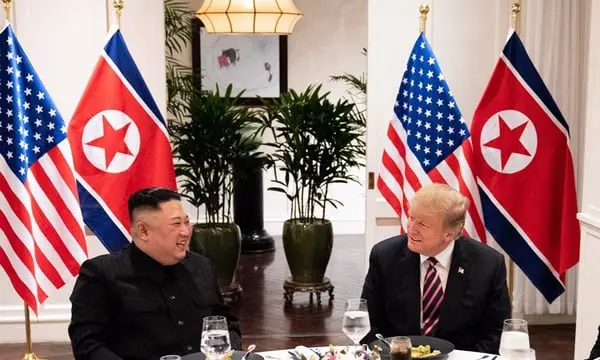
Since taking office for a second term, President Donald Trump has pushed for renewed negotiations with Pyongyang, urging Washington to recognize North Korea’s nuclear capabilities and drop what it calls a hostile policy. Pyongyang says it will only discuss terms if the United States respects its nuclear status.
Latest news
 Pete Hegseth Confirms Visit to Israel and Meeting With Netanyahu
 US Midterm Elections Determine Congressional Control and Trump's Legacy
 Nonpartisan Religious Leaders Form Coalition to Guard Voters on Election Day
 Market Tragedy in Abyei: Over 150 Killed by Drone Strike
For years, Washington has tried to coax Pyongyang into denuclearization through sanctions, diplomatic pressure and periodic summits. Trump’s latest overture follows a pattern of offering dialogue while insisting on a shift in U. S. posture. North Korean officials, however, maintain that any meaningful talks must begin with acknowledgment of their nuclear deterrent and a cessation of what they describe as hostile U. S. actions, including military drills and sanctions that they view as existential threats.
Can the U. S. Meet Pyongyang’s Preconditions?
Pyongyang’s stance centers on a demand that the United States first acknowledge its nuclear arsenal as a legitimate security guarantee. In a recent statement, the regime said that improved relations are possible only if Washington abandons what it labels a „hostile policy,” which includes ongoing sanctions and joint military exercises. The North Korean leadership argues that any concession without prior recognition would undermine its strategic deterrent.
Whether the United States can satisfy those preconditions remains uncertain. The United States has signaled willingness to discuss security guarantees, yet it continues to maintain a sanctions regime aimed at curbing Pyongyang’s nuclear program. Analysts note that a reciprocal arrangement with U. S. recognition and incremental denuclearization steps could bridge the gap, but mistrust and divergent timelines may stall progress. The path forward hinges on diplomatic flexibility from both sides.
Continued stalemate could prolong Pyongyang’s isolation and hinder regional stability, while a breakthrough might ease tensions and open a pathway to broader diplomatic engagement. Success would depend on sustained U. S. policy consistency and Pyongyang’s willingness to translate rhetoric into concrete steps. If talks falter, the status quo may persist, keeping the Korean Peninsula in a fragile state of heightened alert.
Frequently Asked Questions
What does North Korea require before agreeing to talks? Pyongyang says it will only discuss terms if Washington acknowledges its nuclear status and drops what it calls a hostile policy. The United States must also end sanctions and halt military drills.
How has the U. S. historically approached North Korean denuclearization? Washington has employed a mix of sanctions, diplomatic pressure and occasional summits to curb Pyongyang’s nuclear ambitions. Recent proposals under the Trump administration have emphasized renewed dialogue while maintaining a tough stance on sanctions.