Legislative Power Shapes Presidential Agenda
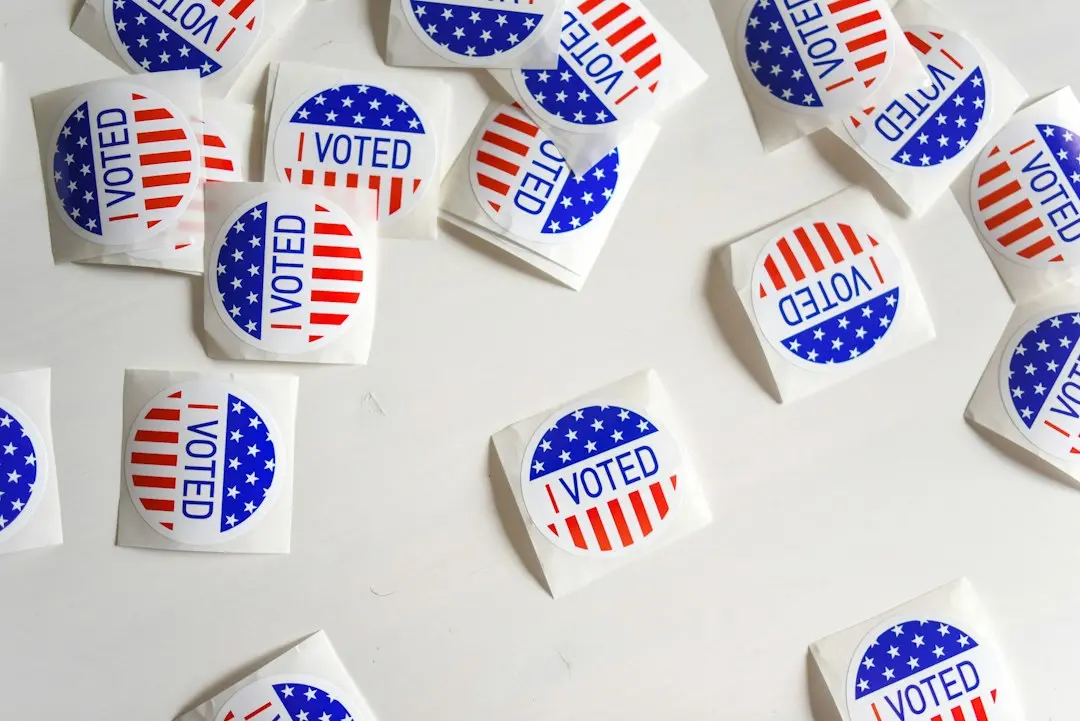
Americans will head to the polls on November 3 for the upcoming midterm elections. These contests are critical for determining which political party holds the majority in Congress. The outcome will directly influence President Donald Trump’s remaining two years in office. Voters will also select key state and local officials across the nation.
Latest news
 Expert warns Egypt's Yemen involvement could undermine Cairo's regional influence
 SpaceX Reports Record Revenue Surge as Starlink and AI Drive Growth
 France Imposes Local Curfews in Several Cities Following Monday Protests
 Pete Hegseth Confirms Visit to Israel and Meeting With Netanyahu
The race is a fierce battle between Republicans and Democrats. Both parties are competing aggressively for control of the legislative branch. Winning the majority allows a party to set the legislative agenda. This power shapes the direction of national policy. It also determines the ability to pass or block executive actions.
Congress holds the purse strings and the power of the purse. A unified government would allow the president to push his priorities forward easily. Conversely, a divided government creates a gridlock scenario. In such a case, the opposing party can obstruct legislation. They can also launch investigations into the administration’s actions.
Why Does the November Vote Matter Most?
The stakes extend beyond simple partisan victory. The results will define the tone for the final stretch of the current administration. If Republicans retain control, they may support the president’s initiatives. If Democrats take the lead, they will likely focus on oversight and opposition. This dynamic creates high tension in Washington.
The November vote matters most because it resets the balance of power. It occurs halfway through the presidential term. This allows the opposing party to check the president’s authority. It also gives the public a direct voice on current issues. The election serves as a referendum on the administration’s performance.
Voters are paying close attention to economic conditions and social issues. These factors often drive turnout in midterm cycles. The outcome in specific swing states could tip the balance in Congress. Even a small margin can change the majority status. This makes every district and state race significant.
The final paragraph of this analysis looks at the broader consequences. A shift in Congress could alter the trajectory of US foreign and domestic policy. It may impact international alliances and trade agreements. The world is watching closely to see how the US government evolves. The next two years will be defined by this legislative shift.
Frequently Asked Questions
When are the US midterm elections taking place? The elections are scheduled for November 3. This date marks the standard midterm cycle.
What is the primary goal of both parties? Both Republicans and Democrats seek control of the US Congress. This control determines the legislative direction.
How does the result affect the President? The outcome shapes the political environment for the president’s final two years. It influences his ability to enact policy.