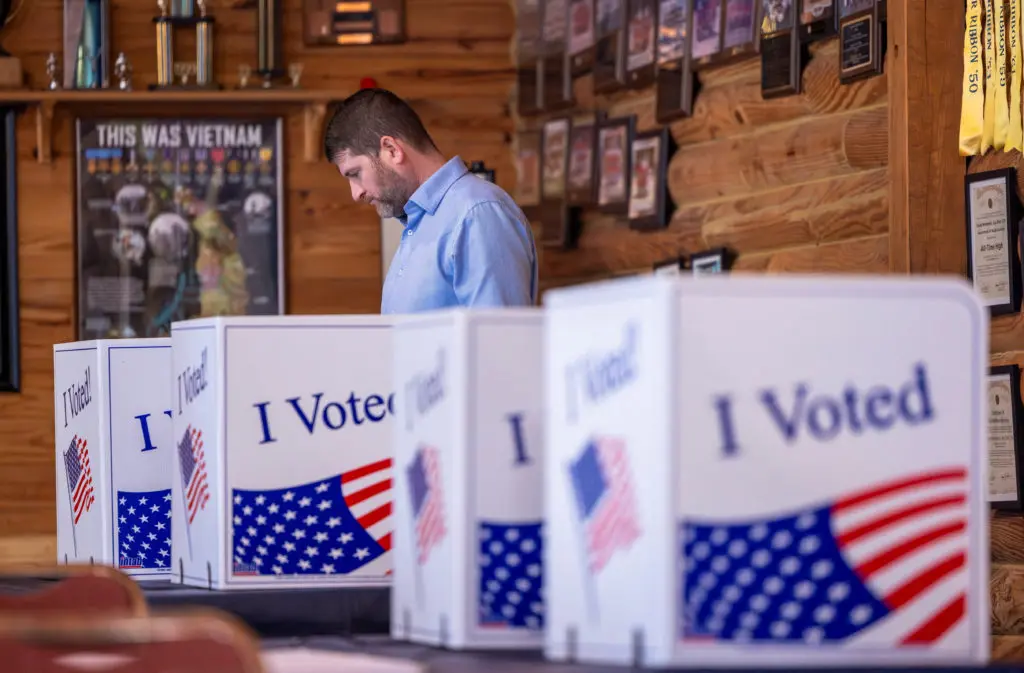
How early voting rules vary across states
In-person early voting for the 2022 U. S. midterm elections started on Friday, launching the final stretch of a high-stakes campaign that could determine which party controls Congress. Voters in multiple states began casting ballots ahead of the November 8 election day, with election officials reporting steady turnout at polling locations. The early voting period allows citizens to vote before the traditional Election Day, aiming to increase accessibility and reduce last-minute congestion. This year’s midterms are seen as a referendum on President Joe Biden’s first two years in office, with inflation, abortion rights, and immigration dominating voter concerns. Both Democrats and Republicans are investing heavily in key battleground states, hoping to gain or retain seats in the House and Senate. The outcome could significantly influence the legislative agenda for the remainder of Biden’s term and shape the political landscape ahead of the 2024 presidential election.
Latest news
 South Africans Mark Femicide Victims in Emotional Cape Town Vigil
 Russians flee ahead of election results, fearing forced mobilisation
 Israeli Forces Conduct Demolitions in Southern Lebanon, Hospital Set Ablaze
 Fear of AI Job Losses Now Outweighs Hope for New Opportunities, Study Shows
Early voting procedures differ widely from state to state, affecting how and when residents can participate. Some states, like Texas and Florida, offer two weeks of in-person early voting, while others, such as New York and Pennsylvania, have shorter windows or rely more heavily on mail-in ballots. In Georgia, voters faced long lines on the first day of early voting, prompting election officials to add staff and extend hours at certain locations. Meanwhile, in Arizona, mail-in ballot requests surged, reflecting continued preference for voting by mail despite recent legislative changes aimed at tightening election laws. These variations highlight the decentralized nature of U. S. elections, where state laws govern voting access, ID requirements, and ballot processing timelines. Election administrators stress that all valid ballots, whether cast early in person, by mail, or on Election Day, will be counted according to state procedures.
What factors could influence voter turnout this year
Several dynamics are shaping voter engagement in this midterm cycle, including the aftermath of the Supreme Court’s decision to overturn Roe v. Wade, which has energized Democratic-leaning voters concerned about abortion access. At the same time, Republican voters are motivated by concerns over the economy, border security, and perceived government overreach. Polls indicate a tight race in numerous congressional districts, with both parties viewing the outcome as uncertain. Historically, midterm elections see lower turnout than presidential years, but recent trends show increased participation, particularly among younger and minority voters. Campaigns are leveraging digital outreach, text messaging, and community events to reach voters during the early voting window. Election officials urge voters to verify their registration status, check polling place locations, and bring required identification where applicable to ensure their votes are counted.
When does early voting end in most states? Early voting typically ends the weekend before Election Day, though exact dates vary by state; voters should check their local election office for specific deadlines.
Frequently Asked Questions
Can I change my vote after casting an early ballot? No, once a ballot is cast during early voting, it cannot be retrieved or changed; voters are advised to confirm their choices before submitting.
Will early voting results be released before Election Day? No, early voting results are not released until after polls close on Election Day to prevent any influence on ongoing voting or voter behavior.