The Supreme Court found that the government had failed to properly assess the
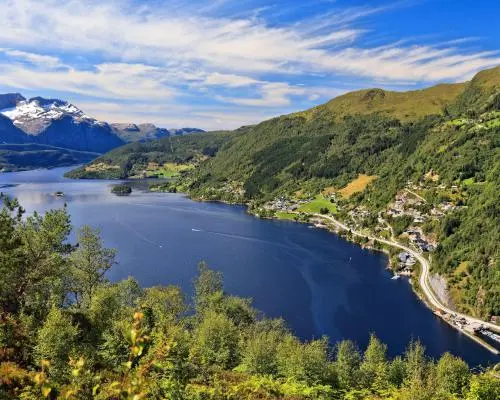
In June 2026, Norway’s Supreme Court overturned a government decision allowing a mining company to discharge waste into the Førde fjord, a move celebrated by residents of the coastal village of Vevring. The ruling came after local activists gathered in a schoolhouse to await the verdict, marking a significant victory for environmental protection in one of Norway’s most untouched marine ecosystems. The decision halted plans that had threatened to degrade water quality and harm marine life in the fjord, which locals regard as a vital natural treasure. The conflict began when Norwegian authorities granted permission to a mining firm to release tailings from its operations directly into the Førde fjord, despite widespread opposition from scientists, fishermen, and community members. Critics argued that the waste would introduce heavy metals and sediments into the fragile ecosystem, endangering fish stocks and disrupting centuries-old fishing traditions.
Latest news
 Leader of Jewish Greens Calls for Polanski to Step Down After Defeat
 EU Unveils Critical Mineral Projects List Focused on Clean Energy Metals
 Navanethem „Navi” Pillay Wins 2026 Nobel Peace Prize for Advancing Global Justice
 The Supreme Court’s recent ruling has reignited the fight against conversion therapy for LGBTQ+ youth
The Supreme Court found that the government had failed to properly assess the environmental risks, violating national laws designed to protect marine habitats. Judges emphasized that economic interests could not override the constitutional right to a healthy environment, particularly in areas of high ecological value. Why the Førde Fjord Matters to Local Communities Residents of Vevring describe the fjord as more than just a scenic landscape—it is central to their identity, livelihood, and cultural heritage. For generations, families have relied on its waters for cod, herring, and shellfish, with fishing forming the backbone of the local economy. Environmental groups presented evidence showing that even low levels of mining waste could accumulate in shellfish, posing health risks to consumers. One fisherman testified during proceedings that he had already noticed changes in fish behavior and water clarity near proposed discharge points.
The court cited these testimonies as key factors in determining that the permit
The court cited these testimonies as key factors in determining that the permit lacked sufficient scientific grounding. Can Economic Development Coexist with Environmental Protection? The ruling has sparked a broader debate in Norway about balancing resource extraction with conservation, especially in remote regions where mining projects promise jobs but threaten natural assets. Government officials expressed disappointment but said they would review the decision and explore alternative waste management solutions, such as inland storage or processing technologies that reduce environmental impact. Meanwhile, the mining company stated it is evaluating options to comply with the court’s order, including potential relocation of its operations. Experts warn that without stricter regulations, similar conflicts may arise in other pristine fjords along Norway’s coastline, where public sentiment increasingly favors preservation over short-term gain. Frequently Asked Questions What made the Førde fjord environmentally significant?
The Førde fjord is considered one of Norway’s least disturbed marine ecosystems, with high biodiversity and clean waters critical for fisheries and wildlife, making it especially vulnerable to pollution from industrial waste. Why did the Supreme Court reject the government’s permit? The court found that the government had not adequately evaluated the long-term environmental consequences of dumping mining waste, failing to meet legal requirements for protecting marine environments under Norwegian law. What alternatives exist for handling mining waste? Options include storing waste in secure land-based facilities, using filtration systems to remove toxins before discharge, or reprocessing tailings to extract additional minerals, though these methods often involve higher costs.