Judicial Ruling Ends Years of Boundary Disputes
The United States Supreme Court has halted the use of a specific congressional map in Missouri. This decision effectively ends a long-running legal battle over district boundaries. The court ruled that a Republican-backed map could not be used for the current term. This move impacts how voters in the state will cast their ballots for federal representatives.
Latest news
 Trump and Xi Meet Again: A Summit With Little Substance
 White House Excludes Major News Outlets from Trump's Tennessee Trip
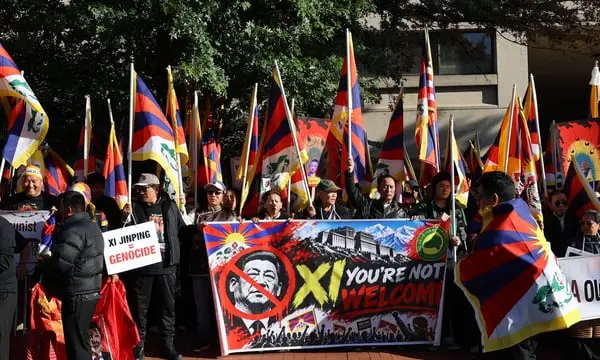 Thousands Rally in Washington Against Chinese President Xi’s State Visit
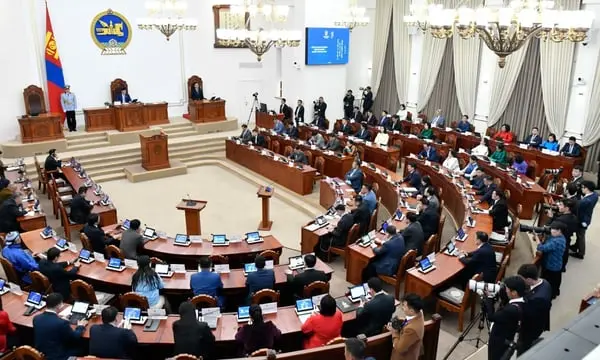 New Mongolian Government Sets Ambitious Development Targets
The ruling brings closure to a complex dispute that has persisted for years. Legal experts note that the decision prevents the implementation of a map favored by national party leaders. The court determined that the proposed boundaries did not meet the necessary standards for immediate adoption. Consequently, the previous configuration remains in effect for the upcoming election cycle. This ensures stability for voters who need clear guidelines for their districts.
The legal conflict centered on the shape and distribution of congressional districts within the state. Advocates for the new map argued it better represented political realities on the ground. Opponents claimed the changes were designed to favor specific candidates rather than communities. The Supreme Court’s intervention stops the clock on this particular version of the map. It forces a return to the established lines for the duration of the current mandate. This judicial check aims to preserve the integrity of the electoral process.
How Does This Affect Local Election Logistics?
Supporters of the blocked map expressed disappointment but accepted the finality of the high court’s order. They had pushed for the change throughout the legislative session. Critics, however, welcomed the decision as a safeguard against gerrymandering concerns. The court emphasized that the timing of the implementation was the primary issue. By blocking its use now, the justices avoided a last-minute scramble for voter registration updates. This approach minimizes confusion at polling stations across the state.
Election officials must now prepare materials based on the older district boundaries. This includes updating ballot layouts and voter information guides. Staff have been working through the night to ensure accuracy in all jurisdictions. The delay provides time for a smoother transition period before election day. It allows for proper communication with registered voters about their specific districts.
The outcome sets a precedent for similar cases in other states facing map challenges. It highlights the role of the judiciary in resolving partisan disagreements. For Missouri voters, the immediate effect is a familiar voting landscape. They will vote in districts they have known for some time. This continuity helps maintain trust in the local democratic process.
Frequently Asked Questions
Looking ahead, the debate over future maps is likely to continue. Legislators may revisit the issue after the current term concludes. For now, the status quo holds firm under the Supreme Court’s directive. The decision underscores the importance of timely legal challenges in redistricting. It serves as a reminder that court orders can reshape political geography quickly. Voters should monitor official channels for any further announcements regarding future maps.
Why was the new map blocked? The Supreme Court decided the Republican-backed map could not be used during the current term. The ruling prioritized stability and prevented last-minute changes to district boundaries.
Who benefits from this decision? Voters in Missouri benefit from having consistent district lines for the upcoming election. It reduces confusion and allows election officials to prepare accurately.