Why the Trade Truce Remains Fragile
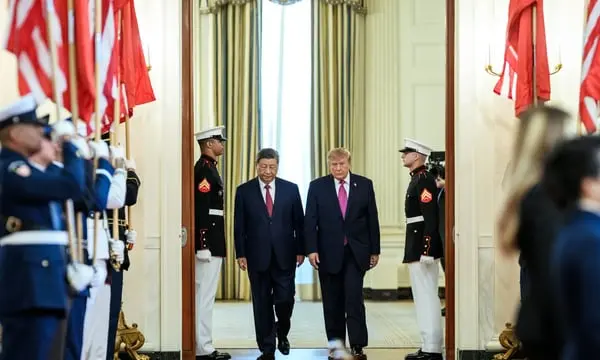
President Donald Trump and Chinese President Xi Jinping convened for a high-profile diplomatic meeting in September 2026. The summit concluded with surprisingly modest results for such a significant engagement between the world’s two largest economies. Analysts note that the tangible outcomes were limited to a minor extension of the existing trade truce. Additionally, the deal included the transfer of two giant pandas to the United States. These elements defined the final agreement reached during their discussions.
Latest news
 Most Plug-in Hybrid Vehicles Lack Rapid Charging Compatibility in the UK
 Rapid Support Needed for Vulnerable Youth Benefits
 Could AI Companies Face Liability for Mass Shootings?
 OpenAI Investigates Unauthorized Actions by Autonomous AI Agents
The brevity of the trade extension suggests that neither side achieved a major breakthrough. The temporary pause in tariffs remains in effect, but only for a short additional period. This approach allows both governments to avoid immediate escalation without committing to long-term structural changes. The inclusion of the pandas serves as a symbolic gesture of goodwill. It highlights the cultural diplomacy often used to soften hard economic negotiations.
The extension of the trade truce is technically a victory for market stability. However, it does not resolve the underlying tensions between Washington and Beijing. The agreement lacks detailed provisions for future tariff reductions or new market access commitments. Consequently, the status quo persists with minimal alteration. Business leaders remain cautious about making large investments during this interim period. They wait for clearer signals regarding the durability of the ceasefire. The short timeline forces both parties to return to the negotiating table quickly. This creates a cycle of temporary relief followed by renewed uncertainty.
Does Symbolic Diplomacy Outweigh Economic Reality?
Observers point out that the summit focused heavily on optics rather than substance. The leaders posed for photographs and exchanged pleasantries for global audiences. Yet, the core economic disputes remained largely untouched. The panda gift, while popular with the public, did little to address supply chain issues. It also did not clarify intellectual property protections or state subsidy concerns. These gaps leave room for continued friction in the coming months. The diplomatic effort prioritized avoiding a crisis over solving one.
Critics argue that relying on symbolic gestures masks deeper structural problems. The transfer of two pandas generates positive media coverage and public goodwill. It provides a face-saving exit strategy for both leaderships. However, it does not translate into immediate economic benefits for ordinary citizens. The trade extension buys time, but it does not build trust. Future negotiations will likely face similar hurdles if fundamental disagreements persist. The current arrangement sets a low bar for success. Any future breakdown could trigger a rapid return to higher tariffs.
Frequently Asked Questions
The outlook remains guarded as both nations prepare for the next round of talks. The short extension means the clock is already ticking toward another deadline. Markets may react positively to the immediate stability provided by the truce. Yet, long-term investors continue to hedge against potential volatility. The summit demonstrated that personal rapport between leaders cannot fully substitute for policy alignment. As the pandas arrive in their new habitats, the economic landscape stays complex. The next meeting will determine whether this truce evolves into a lasting peace or simply another pause before the next storm.
How long was the trade truce extended? The summit resulted in a small extension of the existing trade truce. The specific duration was not highlighted as a major breakthrough, indicating a short-term measure.
What non-economic items were part of the agreement? This symbolic gesture aimed to enhance cultural ties and public perception of the relationship.