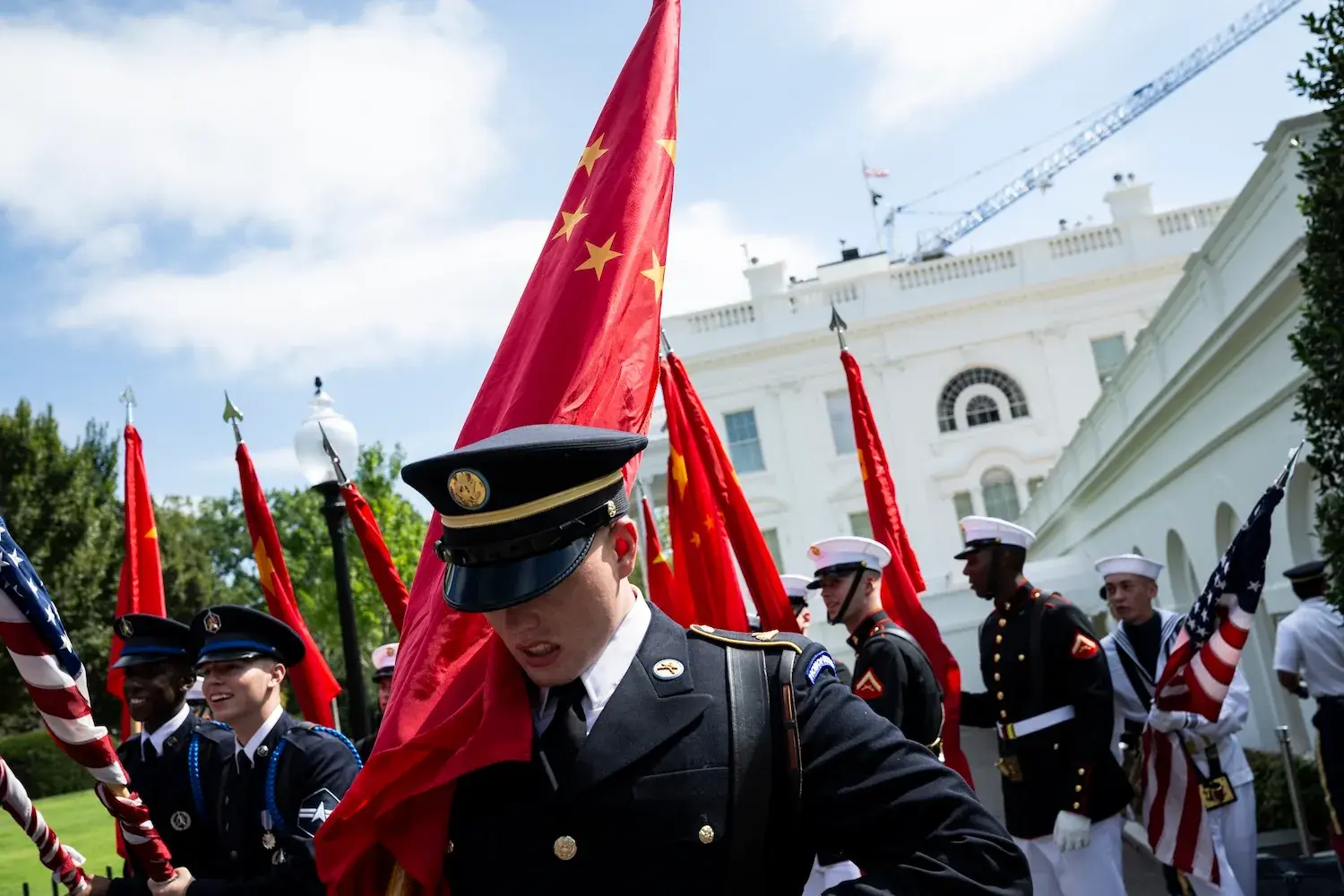
Realistic Expectations for Diplomatic Outcomes
The upcoming summit between US President Donald Trump and Chinese President Xi Jinping will focus on trade, critical minerals, and artificial intelligence. Analysts suggest that while these topics are central to the agenda, significant breakthroughs remain unlikely. The meeting represents a key diplomatic moment, yet expectations for immediate, dramatic results are low among policy experts.
Latest news
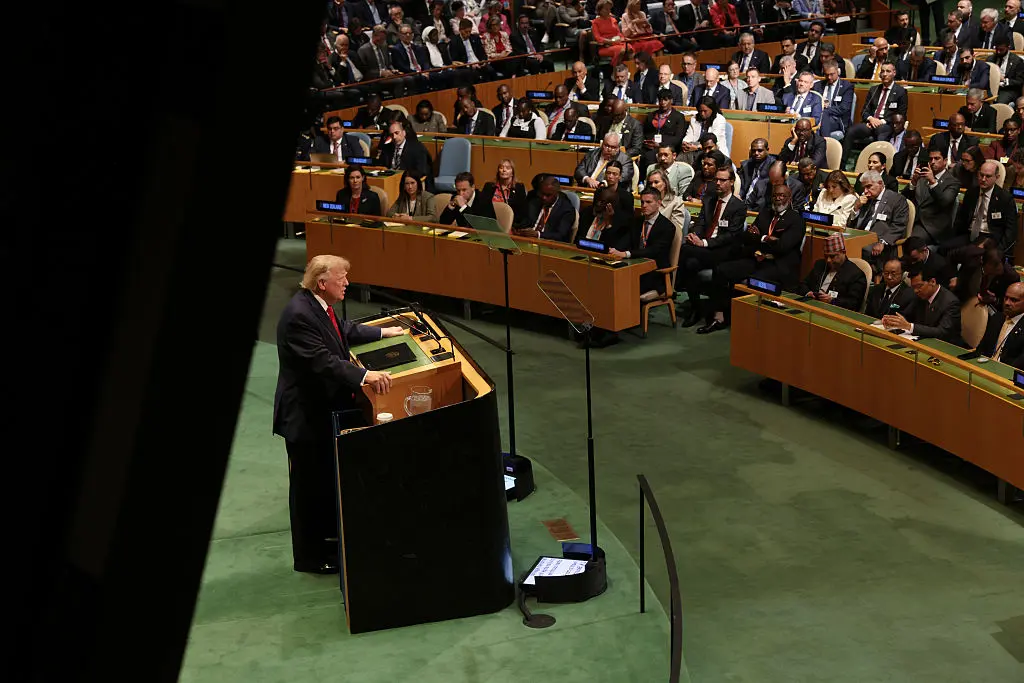 President Trump Declares Force the Path to Peace at UN Assembly
 China’s Clean Energy Exports Surge Amid Iran Conflict, Boosting Xi’s Leverage in U.S. Talks
 Carney Commits $100 Million to Palestinian Aid at
 Family Claims Neglect Led to Death of Costa Rican Detainee in ICE Custody
Observers note that the core issues involve complex economic dependencies. Trade imbalances continue to strain relations, while access to rare earth minerals remains a strategic priority for Washington. Artificial intelligence competition adds another layer of tension, as both nations vie for technological dominance. These factors create a dense backdrop for negotiations that may yield cautious progress rather than sweeping agreements.
James Palmer, a foreign policy columnist, argues that attendees should not anticipate fireworks from the summit. He emphasizes that realistic progress is the primary goal, not a sudden resolution of all disputes. The diplomatic tone is expected to be measured, reflecting the intricate nature of bilateral ties. Both leaders aim to manage tensions without committing to binding concessions that could complicate domestic politics. This approach allows for continued dialogue while preserving negotiating leverage for future rounds.
Why Immediate Breakthroughs Remain Unlikely
The discussion on critical minerals highlights a specific vulnerability in supply chains. The United States seeks to diversify sources away from China to secure its tech and defense industries. Conversely, Beijing views mineral exports as a powerful lever in broader economic negotiations. Artificial intelligence presents a similar dynamic, with export controls and talent flows under close scrutiny. These technical areas require detailed working groups rather than headline-grabbing announcements from the heads of state.
Structural differences in economic models make rapid consensus difficult. The US prioritizes market access and intellectual property protection, while China focuses on industrial policy and state-led growth. Bridging these gaps requires time and iterative engagement. While the summit sets the stage, the actual work happens in subsequent ministerial meetings and technical sessions. Therefore, the absence of grand declarations does not signal failure but rather adherence to a pragmatic diplomatic rhythm.
Frequently Asked Questions
The outcome will likely involve a joint statement acknowledging shared interests in stability. Both sides may agree to maintain communication channels open during periods of friction. This framework supports long-term management of rivalry rather than seeking a definitive end to it. Markets and investors should watch for subtle shifts in language regarding tariffs and technology standards. These nuances often provide better signals than the formal conclusions of the summit itself.
What are the main topics of the Trump-Xi summit? The agenda centers on trade balances, access to critical minerals, and competition in artificial intelligence. These three pillars define the current state of US-China economic and technological relations.
Will the summit produce major new deals? Experts predict modest progress rather than dramatic breakthroughs. The focus is on managing existing tensions and establishing frameworks for future cooperation, rather than closing all outstanding disputes immediately.