
Personal Diplomacy Over Policy Specifics
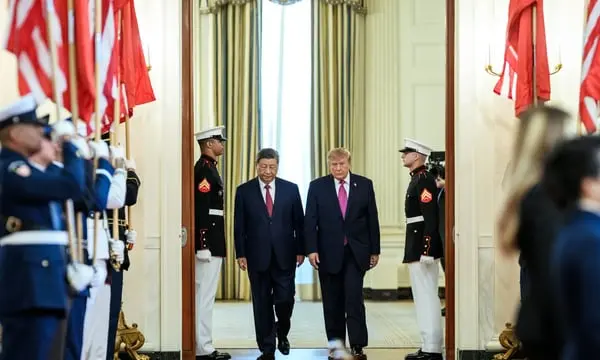
Chinese President Xi Jinping concluded his state visit to the United States without reaching a significant agreement on artificial intelligence. The high-profile meeting between Xi and President Donald Trump took place in Washington, D. C., earlier this week. Despite intense diplomatic efforts, the two leaders failed to finalize a comprehensive framework for AI governance. The summit highlighted a persistent gap in technological priorities between the world’s two largest economies. Both sides acknowledged the need for cooperation but left specific regulatory details unresolved.
Latest news
 Trump and Xi Meet Again: A Summit With Little Substance
 White House Excludes Major News Outlets from Trump's Tennessee Trip
 Thousands Rally in Washington Against Chinese President Xi’s State Visit
 New Mongolian Government Sets Ambitious Development Targets
The absence of a landmark AI accord reflects deeper structural differences in how both nations view technology. China prioritizes rapid deployment and state-led innovation, while the United States focuses on private sector leadership and safety standards. This divergence made it difficult to find common ground during their negotiations. The outcome suggests that bilateral tech diplomacy remains complex and slow-moving. Leaders emphasized personal rapport over policy specifics during their final press conferences.
The summit was characterized by a strong emphasis on the personal relationship between the two heads of state. Observers noted that the leaders spent considerable time discussing their mutual respect and historical ties. This focus on interpersonal dynamics served to soften the blow of technical disagreements. While no binding treaty was signed, the atmosphere remained cordial throughout the event. The handshake at the National Archives Museum symbolized the continued engagement between the powers. However, diplomats argue that personal chemistry cannot substitute for detailed regulatory alignment.
Will Future Talks Bridge the Technology Gap?
Xi’s visit included tours of key cultural and historical sites in the capital. These symbolic gestures reinforced the message of partnership despite ongoing strategic competition. The lack of a major AI deal does not signal a breakdown in relations. Instead, it indicates that the issue requires more time and dedicated working groups. Both countries agreed to continue discussions through lower-level channels. This approach allows for technical experts to work out the finer points without immediate political pressure.
The failure to close an AI deal leaves several critical questions unanswered. How will the two nations handle cross-border data flows? What standards will govern the development of large language models? These issues remain central to global tech competition. Analysts predict that future summits will likely address these gaps. The current outcome sets a precedent for incremental progress rather than sweeping agreements. It places the burden on technical teams to draft proposals for future approval.
The consequences of this summit extend beyond the two nations involved. Global markets watch closely for signals on trade and technology restrictions. A lack of clarity on AI rules may delay international standards adoption. Companies operating in both markets face continued uncertainty regarding compliance. The outlook suggests a period of cautious optimism mixed with realistic expectations. Leaders have committed to maintaining open dialogue, ensuring that the conversation continues even if the first chapter ends without a definitive conclusion.
Frequently Asked Questions
Did Trump and Xi sign any new agreements? No, the leaders did not sign a major agreement specifically focused on artificial intelligence. They maintained existing frameworks and agreed to continue technical discussions through working groups.
What was the main reason for the lack of an AI deal? The primary reason was differing national approaches to technology regulation. China favors state-driven deployment, while the US emphasizes private sector innovation and safety protocols.
Will the two leaders meet again soon? Yes, both sides expressed intent to maintain regular contact. Future meetings are expected to focus on resolving the remaining technical and regulatory gaps identified during this summit.