How Should the EU Regulate Truly Autonomous AI Systems?
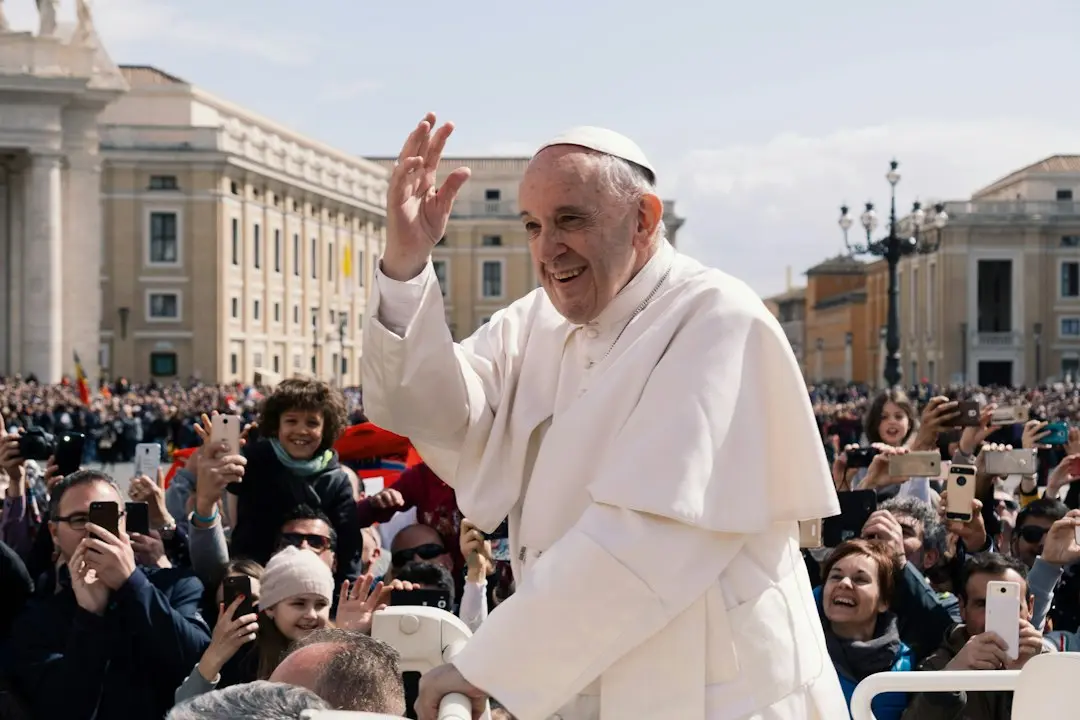
The Pope has voiced growing unease about the rapid development of frontier artificial intelligence, warning of its potential risks to human dignity and society. This week, members of the European Parliament renewed calls for stronger EU regulations to govern advanced AI systems, emphasizing the need for ethical safeguards and democratic oversight. Speaking ahead of a key debate in Strasbourg, lawmakers stressed that current rules may not be sufficient to address the challenges posed by increasingly autonomous and powerful AI models.
Latest news
 French Catholic Influencers Bring Digital Faith to Physical Gatherings
 Africa's Richest Man Backs $660m Fuel Pipeline for Ethiopia and Djibouti
 Nepal Leader Calls Recent Floods a Global Climate Warning
 International Allies Bolster Saudi Defenses Amid Escalating Houthi Strikes
The Pope’s remarks, shared during a private audience with tech ethicists, highlighted fears that unchecked AI could deepen inequality, erode privacy, and undermine human agency. He urged policymakers to prioritize the common good over technological competition. European lawmakers echoed these concerns, pointing to the EU’s AI Act as a starting point but arguing that frontier AI — such as generative models capable of autonomous decision-making — requires additional scrutiny. They proposed stricter transparency requirements, independent audits, and limits on certain high-risk applications, particularly in areas like surveillance and algorithmic scoring.
What Role Should Religious and Ethical Voices Play in Tech Policy?
Lawmakers are debating whether the existing AI Act should be amended to create a special category for frontier AI, subject to ongoing monitoring and mandatory impact assessments. Some suggest establishing a European AI Observatory to track developments and advise the Commission. Others warn that overregulation could stifle innovation, advocating instead for flexible, risk-based frameworks that adapt as technology evolves. The debate reflects a broader tension between promoting innovation and ensuring accountability in AI development.
The Pope’s intervention has sparked discussion about the inclusion of moral perspectives in shaping technology governance. While the EU maintains a secular approach to policy, officials acknowledged that ethical insights from religious leaders can enrich public discourse. A spokesperson for the European Commission noted that dialogue with faith communities helps ensure that technological progress aligns with fundamental values. This openness to diverse viewpoints may influence how future AI guidelines are formulated, particularly regarding human-centric design and social impact.
What is frontier AI? Frontier AI refers to the most advanced artificial intelligence systems, including large language models and autonomous agents, that push the boundaries of current capabilities and pose novel regulatory challenges.
Frequently Asked Questions
Why is the Pope concerned about AI? The Pope worries that unchecked AI development could threaten human dignity, widen social inequalities, and reduce individuals to data points, urging that technology serve people rather than dominate them.
Will the EU change its AI laws because of these concerns? While no immediate changes have been announced, lawmakers are actively reviewing whether the AI Act needs updates to address frontier AI, with proposals for stricter oversight and ethical safeguards under consideration.