Symbolic Props and Political Messaging
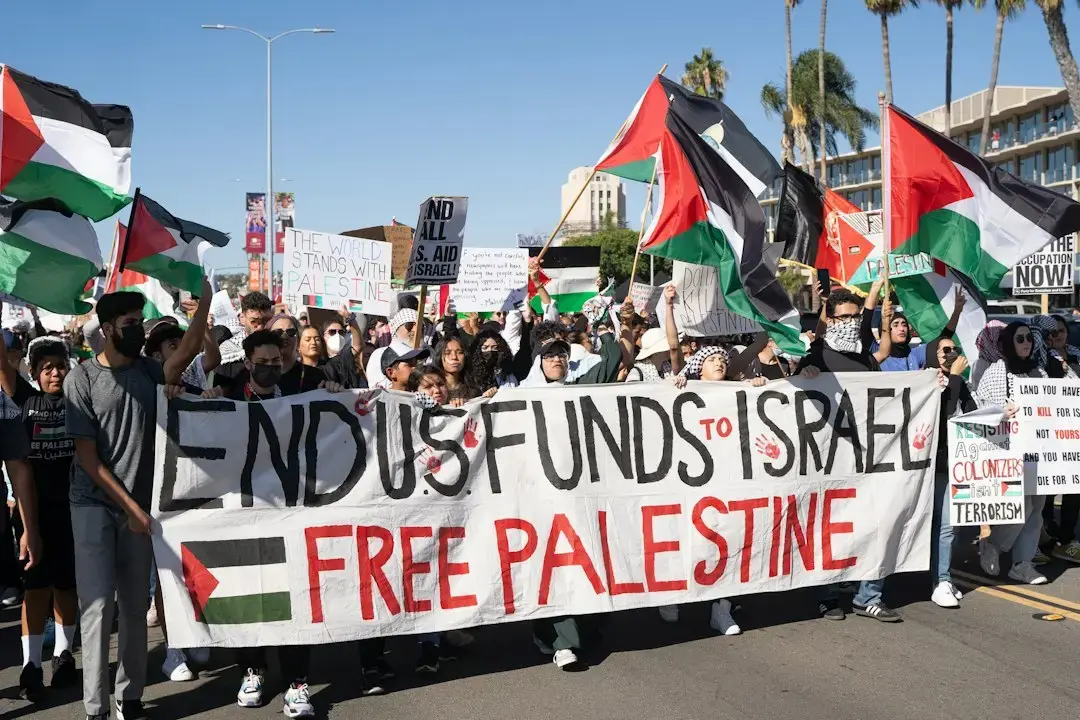
On September 17, dozens of Israeli citizens gathered in front of the Knesset in West Jerusalem. Protesters displayed masks bearing Prime Minister Benjamin Netanyahu’s likeness and brandished signs that read „Election Disruption War.” A missile‑shaped placard suggested that a fresh security crisis could be invoked to postpone the upcoming October vote.
Latest news
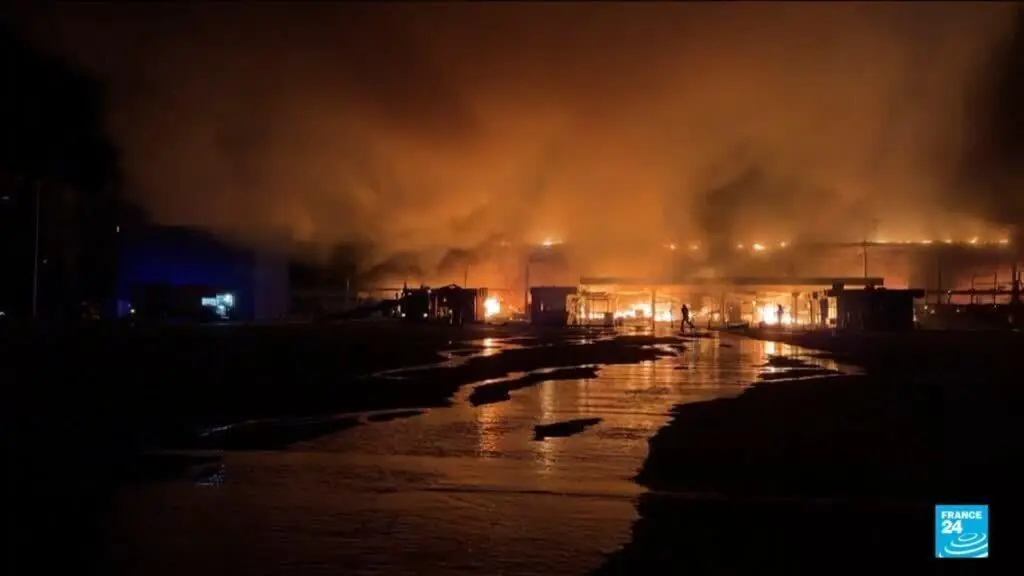 Ukraine Strikes Persist While Russian Polling Stations Open for Election
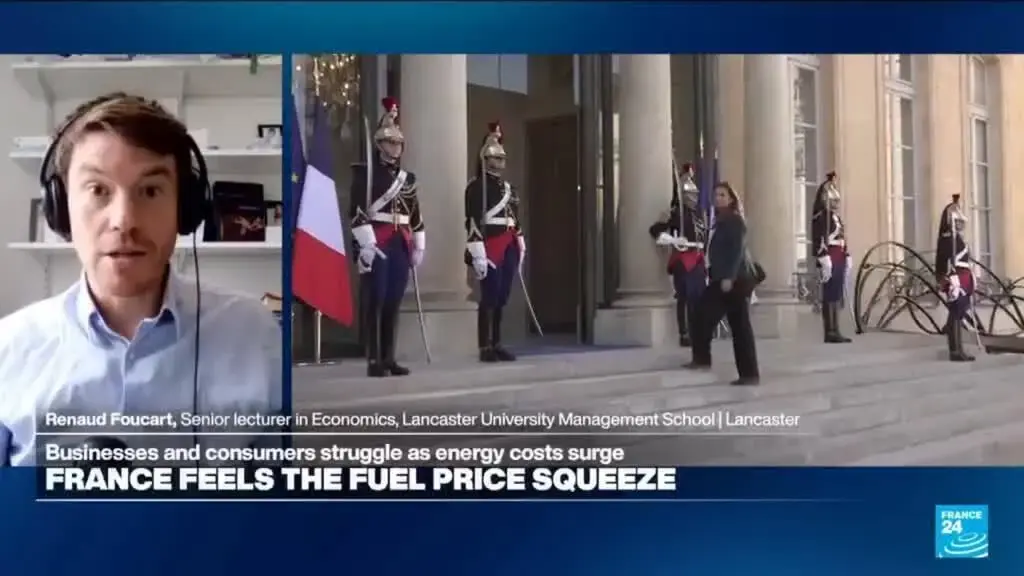 Macron Calls French Party Leaders Together as Energy Costs Surge Amid Iran and Ukraine Conflicts
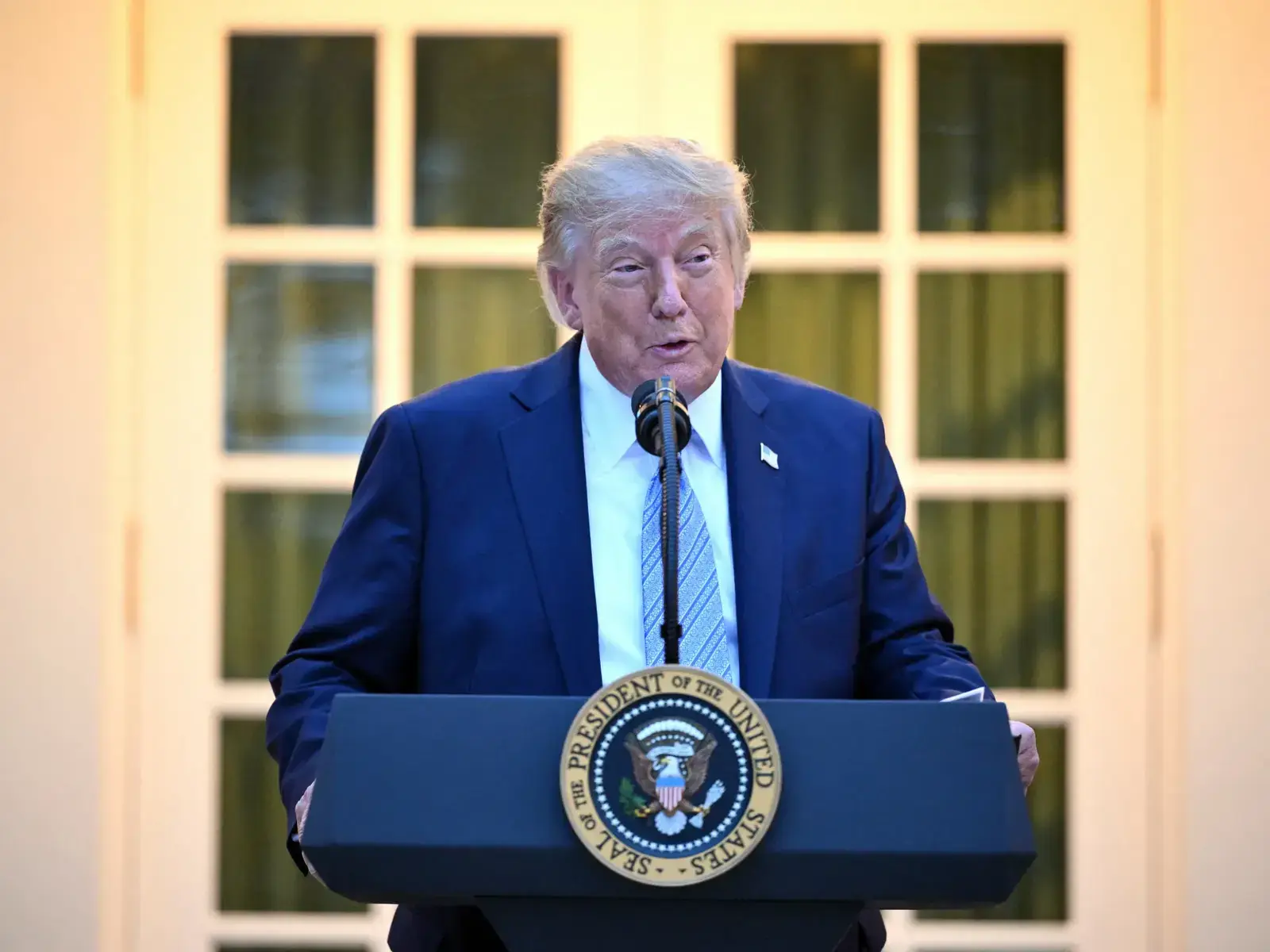 US Voters Oppose War on Iran, 71% Say Trump Administration Lacks Strategy
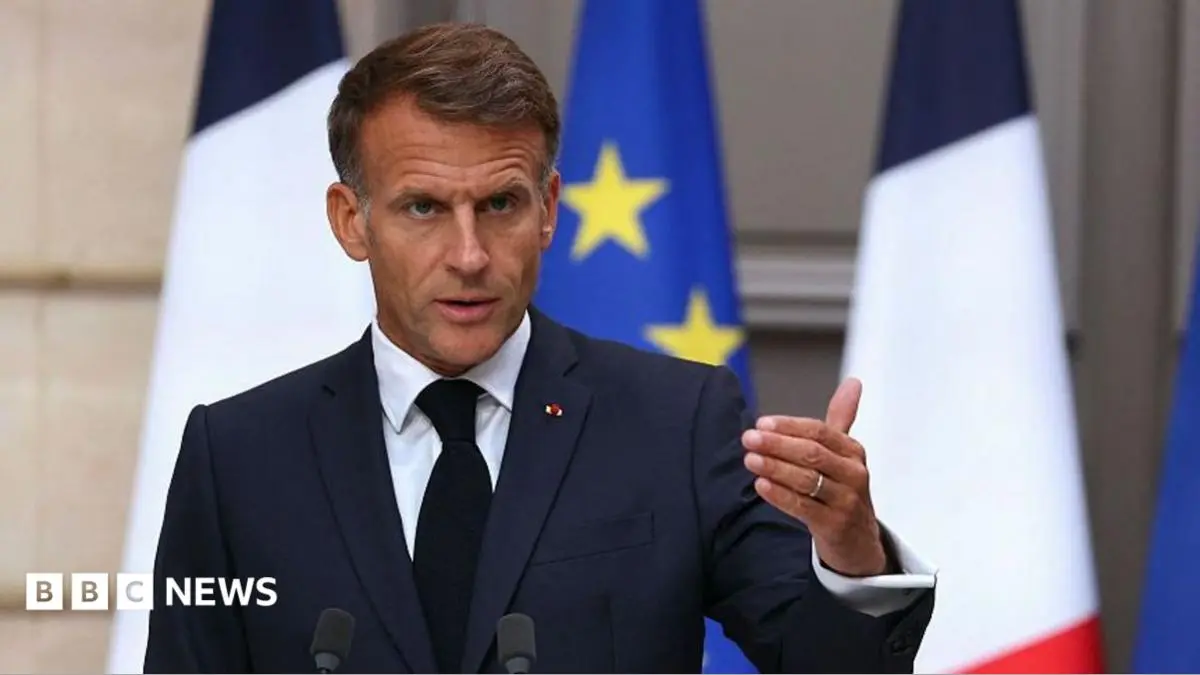 French President Warns of Rising Russian Hybrid Threats to Europe
The demonstration was organized by activist Assaf Sati El‑Bar, who accused senior politicians of stoking regional tensions to distract the public from electoral concerns. Participants claimed that the government’s handling of recent security incidents was being weaponized to justify delaying the democratic process. They argued that postponing the vote would benefit incumbent leaders and undermine public trust in Israel’s institutions.
Masks featuring Netanyahu’s face dominated the crowd, a visual critique of the prime minister’s perceived dominance over the political arena. The missile‑shaped sign, crafted from cardboard and painted bright red, symbolized fears that security threats could be exaggerated to create a pretext for election postponement. Protesters also carried banners warning of an „election disruption war,” a phrase echoing rhetoric used by some opposition figures who claim the government is preparing to manipulate the electoral calendar.
Could Security Crises Be Used to Delay the October Vote?
Organiser Assaf Sati El‑Bar told reporters that the protest aimed to „expose the dangerous link between security narratives and political maneuvering.” He cited recent escalations along Israel’s borders, suggesting that officials were quick to label any incident a national emergency, thereby granting themselves leeway to alter election timelines. The demonstrators called for transparent oversight of any decisions that might affect the October ballot, urging the judiciary and civil society to monitor potential abuses.
Analysts note that Israel’s electoral law allows for postponement only under extraordinary circumstances, such as a full‑scale war or a severe national emergency. However, the definition of „extraordinary” remains vague, leaving room for interpretation. Critics argue that the government could invoke a minor flare‑up as justification, citing past instances where limited conflicts led to temporary suspensions of civil processes.
Legal experts warn that any move to delay the election would likely trigger a cascade of lawsuits, with opposition parties and NGOs prepared to challenge the decision in the Supreme Court. They stress that the judiciary has historically acted as a check on executive overreach, but the outcome would depend on the severity of the security situation and the political climate at the time.
The protest’s timing, just weeks before the scheduled vote, underscores growing anxiety among citizens who fear that political calculations may outweigh democratic principles. If authorities were to postpone the election, it could erode public confidence, fuel further protests, and potentially destabilize the already volatile regional environment.
Frequently Asked Questions
What triggered the protest on September 17? Activists organized the rally to highlight concerns that the government might use emerging security threats as a pretext to delay the October elections, thereby preserving incumbent power.
Can Israel legally postpone an election? Yes, but only under extraordinary circumstances defined by law, such as a full‑scale war or a severe national emergency. The exact criteria are subject to interpretation, which could be contested in court.
What are the possible repercussions if the vote is delayed? Delaying the election could undermine public trust, spark additional demonstrations, and invite legal challenges that may reach the Supreme Court, potentially affecting Israel’s political stability.