Citizens Demand Immediate Relief
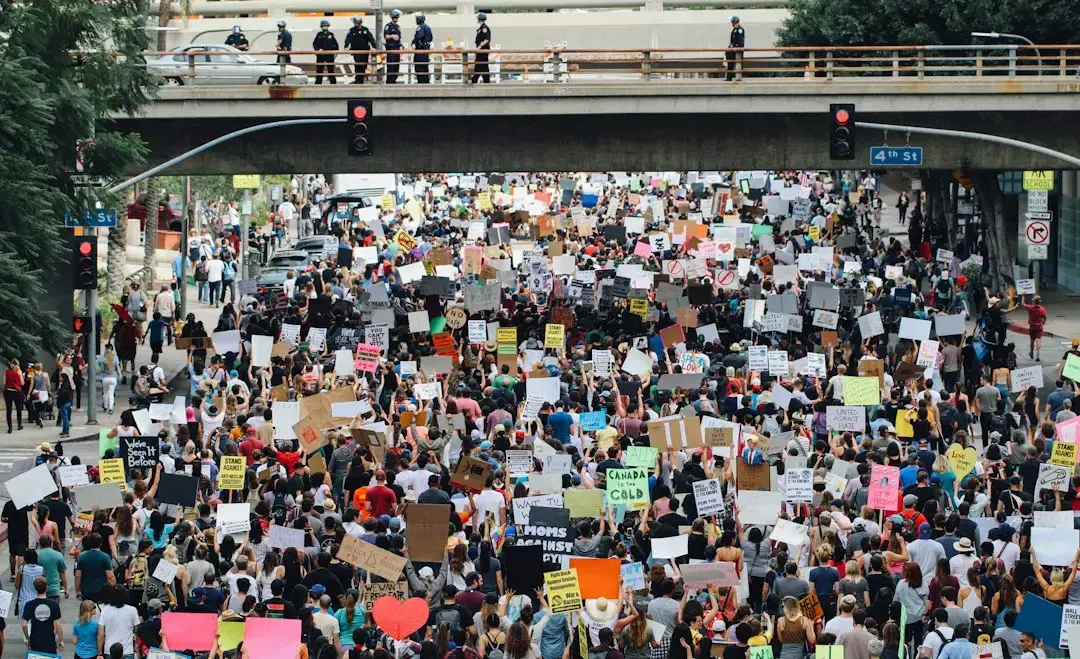
In cities and towns across Syria, crowds gathered on Tuesday after the government announced a steep rise in fuel costs. The move, which increased diesel prices by up to 40 percent, triggered demonstrations in Damascus, Aleppo, Homs and other major centers. Protesters shouted slogans and demanded a rollback of the new rates, citing the strain on families and businesses.
Latest news
 Why My Kyiv Visit Worried Me So Much
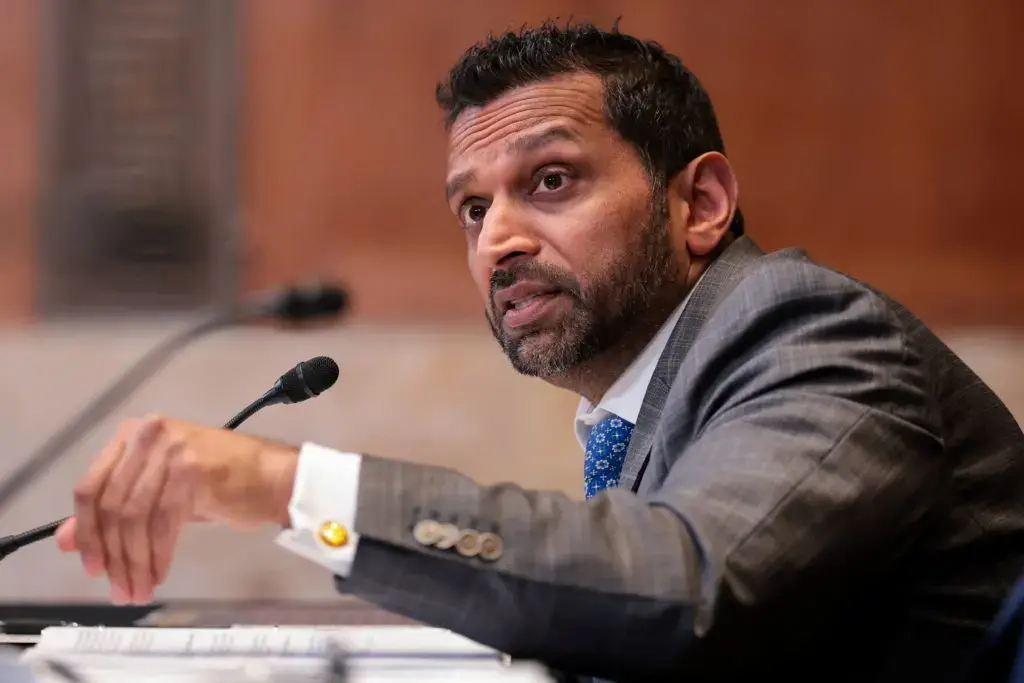 FBI Director Kash Patel to Testify Before Senate Judiciary Committee on Oversight Matters
 Hochul’s how-to guide to stopping ICE
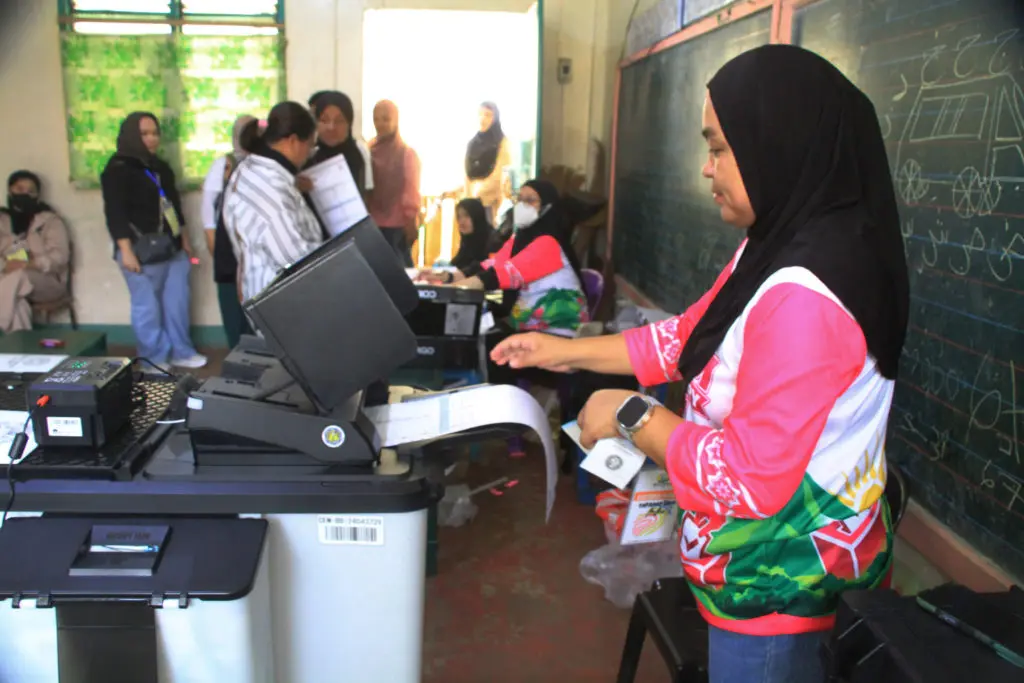 First Parliamentary Vote Marks End of Decades‑Long Conflict in Muslim Philippines
The price surge was part of a broader effort by the Syrian authorities to curb inflation and stabilize the economy. Officials said the adjustment was necessary to reflect global oil market changes and to support the state’s budget. However, many citizens view the hike as a punitive measure that will worsen living conditions in an already fragile economy.
Is the Hike a Strategic Move or a Mistake?
In Damascus, thousands marched to the Ministry of Finance, holding placards that read „Lower the Fuel Price” and „Stop the Hike.” Local shopkeepers reported that the new rates would double the cost of transporting goods, pushing prices for everyday items higher. A small business owner in Aleppo said, „We cannot afford to pay more for diesel; our customers will pay the price, and we will lose sales.” The protests spread to rural areas, where farmers expressed concern that higher fuel costs would affect crop transport and livestock operations.
Government officials have yet to respond publicly to the demonstrations. Meanwhile, security forces have been deployed to maintain order, and several protest sites were cleared by the end of the day. The Ministry of Interior stated that it would monitor the situation and engage with community leaders.
What Happens Next for the Syrian Economy?
Economists argue that the price increase could backfire by reducing domestic consumption of fuel, which might lower tax revenue in the short term. Others contend that the adjustment is a necessary step to align subsidies with international market realities. The central bank’s latest report shows that fuel subsidies have been a significant drain on the national budget, contributing to a deficit that the government is trying to reduce.
The public’s reaction suggests that the policy is not well received. In Homs, a group of students marched to the university campus, chanting, „We need affordable fuel for our future.” The protests highlight a growing discontent with economic management amid ongoing challenges such as food shortages and unemployment.
If the government does not reverse or soften the fuel price increase, the protests could intensify, potentially leading to broader civil unrest. The economic strain may also push more citizens to seek alternative livelihoods or to leave the country. The Ministry of Finance has indicated that it will review the policy in the coming weeks, but no concrete timeline has been announced.
Frequently Asked Questions
The situation remains fluid, and observers warn that any further escalation could destabilize an already volatile region. The international community is monitoring the developments closely, hoping for a peaceful resolution that balances fiscal responsibility with public welfare.
Q: Which cities saw the largest protests? A: Major demonstrations occurred in Damascus, Aleppo, Homs, and other key urban centers.