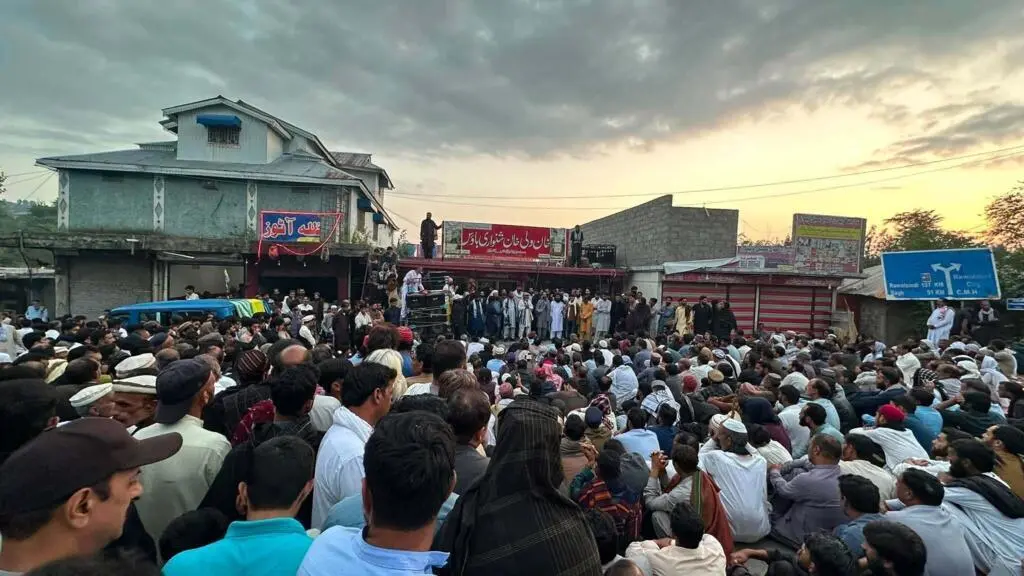
Digital Silence Meets Political Tension
Demonstrations in Azad Jammu and Kashmir have continued since early June. The movement has survived harsh government repression. Local legislative elections took place in July and August. Despite these events, public dissent remains visible. Authorities have cut off internet access in many areas. Foreign media outlets face strict restrictions on entry. The region remains tense and volatile.
Latest news
 Swedish Voters Choose New Parliament as Left-Wing Coalition Projects to Win Majority
 Trump Announces End of US Tariff on Irish Whisky
 Frances Stonor Saunders, Author of CIA Cultural Espionage Exposé, Dies at 66
 Israel and Lebanon to Hold Security Talks in Rome This October
The government aims to maintain control over the territory. However, the sheer scale of public anger defies containment. Protesters demand better governance and economic relief. They criticize the administration for ignoring local needs. The digital blackout hinders communication between residents and the outside world. Journalists struggle to report from the ground without interference. This isolation amplifies the sense of urgency among locals.
The suspension of internet services creates a significant information gap. Residents rely on word of mouth or physical gatherings to share news. Social media platforms serve as primary tools for organizing resistance. When these channels vanish, coordination becomes difficult but not impossible. Authorities view the blackout as a necessary security measure. They argue it prevents the rapid spread of misinformation. Critics claim it suppresses legitimate voices and hides police actions. The lack of connectivity isolates families separated by distance. It also complicates business operations and daily life for thousands.
Can Stability Return Without Dialogue?
Elections during this period added complexity to the situation. Voting proceeded under heavy security presence. Many citizens questioned the fairness of the process. They felt their basic rights were suspended while they cast ballots. The results did not fully satisfy the opposition. This led to renewed street demonstrations immediately after voting ended. Security forces deployed tear gas and water cannons. Several injuries were reported during these clashes. The cycle of protest and response continues to define the political landscape.
The path forward remains unclear for the region. Leaders must address core grievances to calm tensions. Economic hardship fuels much of the discontent. Inflation and job scarcity drive people onto the streets. A return to normalcy requires trust between the state and its citizens. Without open channels of communication, misunderstandings deepen. The current standoff tests the resilience of both sides. Observers watch closely for signs of compromise.
Frequently Asked Questions
The future of Azad Kashmir depends on sustained engagement. If the government ignores the demands, unrest may escalate. Conversely, genuine dialogue could restore confidence. The internet blackout may eventually lift, but its impact lingers. Communities need time to rebuild social bonds. The political stakes are high for all involved parties. Stability is not just about order; it is about justice. The coming months will reveal if peace is achievable.
Why was the internet cut off in Azad Kashmir? Authorities suspended internet access to manage the flow of information. They aimed to control the narrative during the ongoing protests. This measure also helped restrict foreign media coverage.
How did the legislative elections affect the protests? The elections in July and August did not end the demonstrations. Instead, they triggered new waves of dissent. Protesters viewed the voting process as insufficient to resolve their core issues.