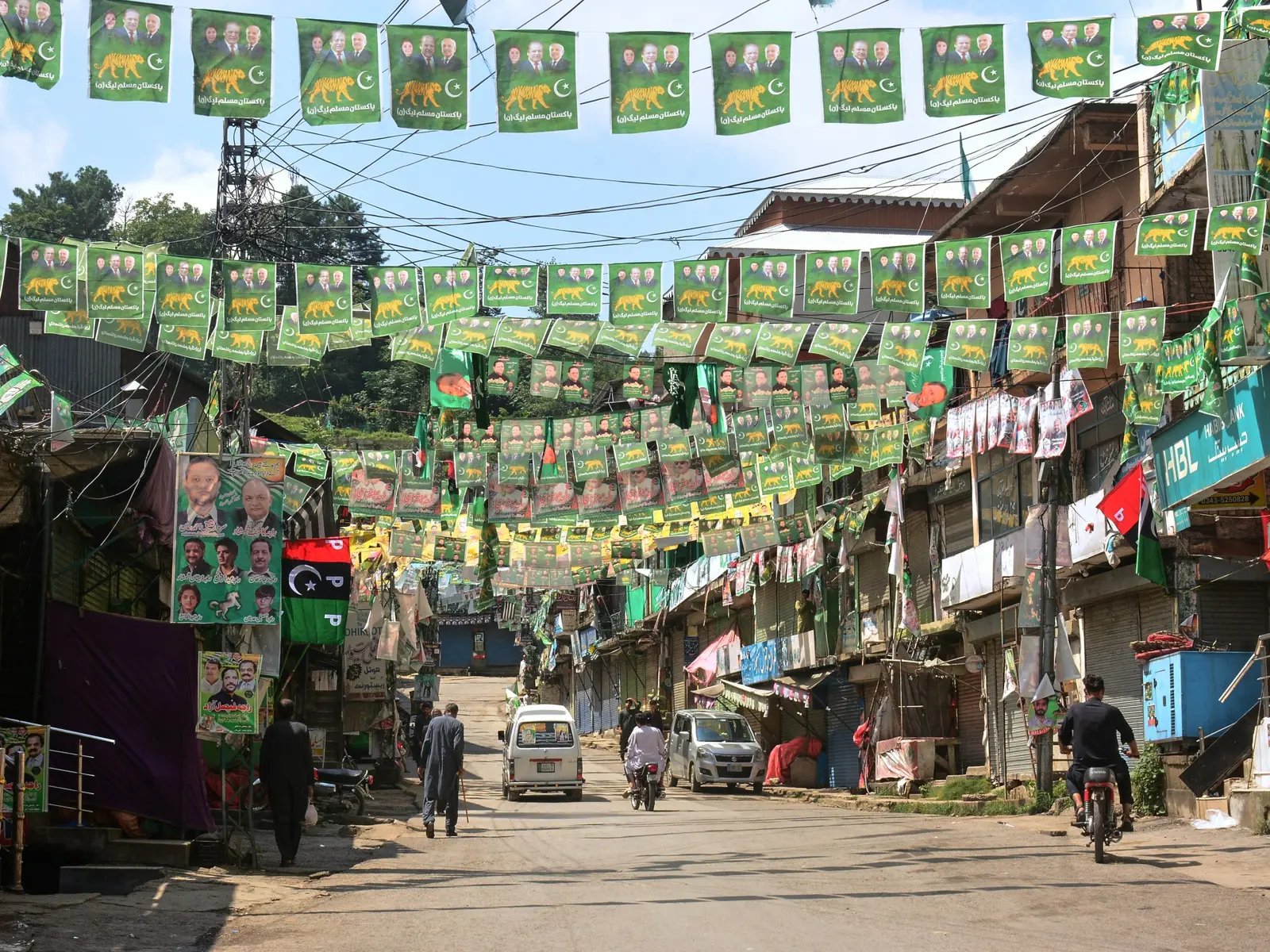
Digital Silence Fuels Public Frustration
Mobile data and broadband connections have remained suspended across Pakistan-administered Kashmir for over three months. This prolonged digital silence began in June following widespread public demonstrations. Protesters demanded significant changes to the region’s electoral laws. The shutdown effectively cut off millions of residents from online communication. Local businesses and students face growing difficulties due to the lack of connectivity. The situation has become a defining feature of daily life in the territory. Residents must rely on landlines or physical visits to stay informed. The extended outage highlights the tension between authorities and the public. It marks a major milestone in the ongoing dispute over governance.
Latest news
 Former CIA Analyst Speaks Out After Being Fired by the Trump Administration
 Women’s Rights Activists Rally in Paris Over Sexual Violence Legislation
 Audit Reveals Critical Flaws in Middle East Medevac Plans
 EU MEP Warns of AI Risks and Calls for Global Treaty Leadership
The initial suspension was triggered by mass rallies calling for electoral reform. Demonstrators sought to modernize voting procedures and increase representation. Authorities responded by cutting off mobile internet and fixed-line broadband services. This move aimed to manage the flow of information during the unrest. However, the shutdown persisted long after the immediate protests subsided. The lack of connectivity has created a significant information gap. Many residents struggle to access news or coordinate local activities. Small businesses report lost revenue as customers cannot make online payments. Students find it hard to attend virtual classes or submit assignments. The prolonged nature of the blackout has intensified public frustration. Critics argue that the measure has become a tool for control rather than a temporary safety step.
How Long Will the Outage Last?
Officials have not provided a clear timeline for restoring full service. The government cites security concerns and network maintenance as reasons for the delay. Yet, the passage of one hundred days raises questions about the plan. Some analysts suggest the blackout serves a dual purpose. It limits rapid organization among opposition groups while allowing infrastructure upgrades. Others view it as a way to maintain pressure on political parties. The uncertainty leaves residents in a state of limbo. They wonder if normalcy will return soon or if this is the new standard. The absence of a definitive end date fuels speculation. Daily life continues to adapt to the constraints of an offline environment.
The extended internet shutdown carries significant economic and social costs. The region’s digital economy has stalled, affecting freelancers and tech startups. Social isolation has increased as people lose easy access to distant family members. Looking ahead, the situation remains volatile. Any restoration of service could trigger renewed debate on electoral changes. Conversely, a permanent cutoff might deepen the divide between the administration and the populace. The next few weeks are critical for determining the path forward. Observers watch closely for any signals of change. The outcome will shape the future of governance in the territory.
Why was the internet shut down in Pakistan-administered Kashmir? The suspension began in June to manage communication during protests. These demonstrations called for major reforms to the regional electoral system.
Frequently Asked Questions
How long has the blackout lasted so far? The internet shutdown has now crossed the one-hundred-day mark. Services have been suspended continuously since the start of the June protests.
Which services are currently unavailable? Both mobile data and fixed broadband services are suspended. This cuts off most residents from standard online browsing and streaming.