Can AI Really Protect Construction Workers?
Shelley Copsey was appointed by the Ontario Teachers' Pension Plan, one of the world's largest infrastructure investors, to find ways to use technology to solve problems across its portfolio. She quickly learned that persistent problems faced front-line workers. Four years later, Copsey is CEO of FYLD, a London-headquartered company focused on applying AI to construction safety.
Latest news
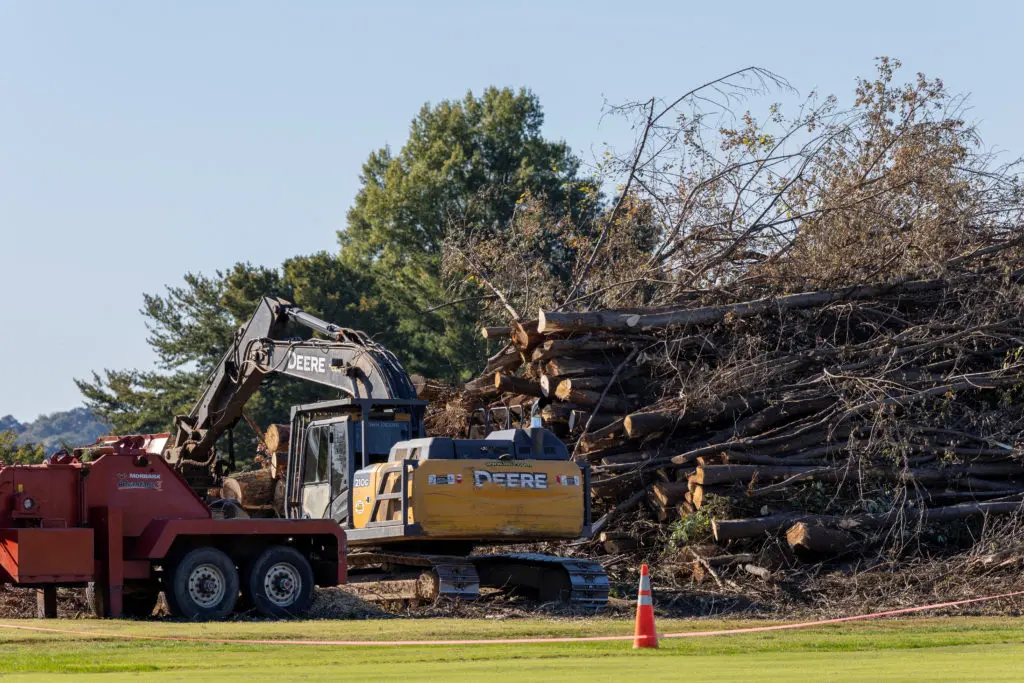 Two Trump-era projects face legal challenges in D.C. courts
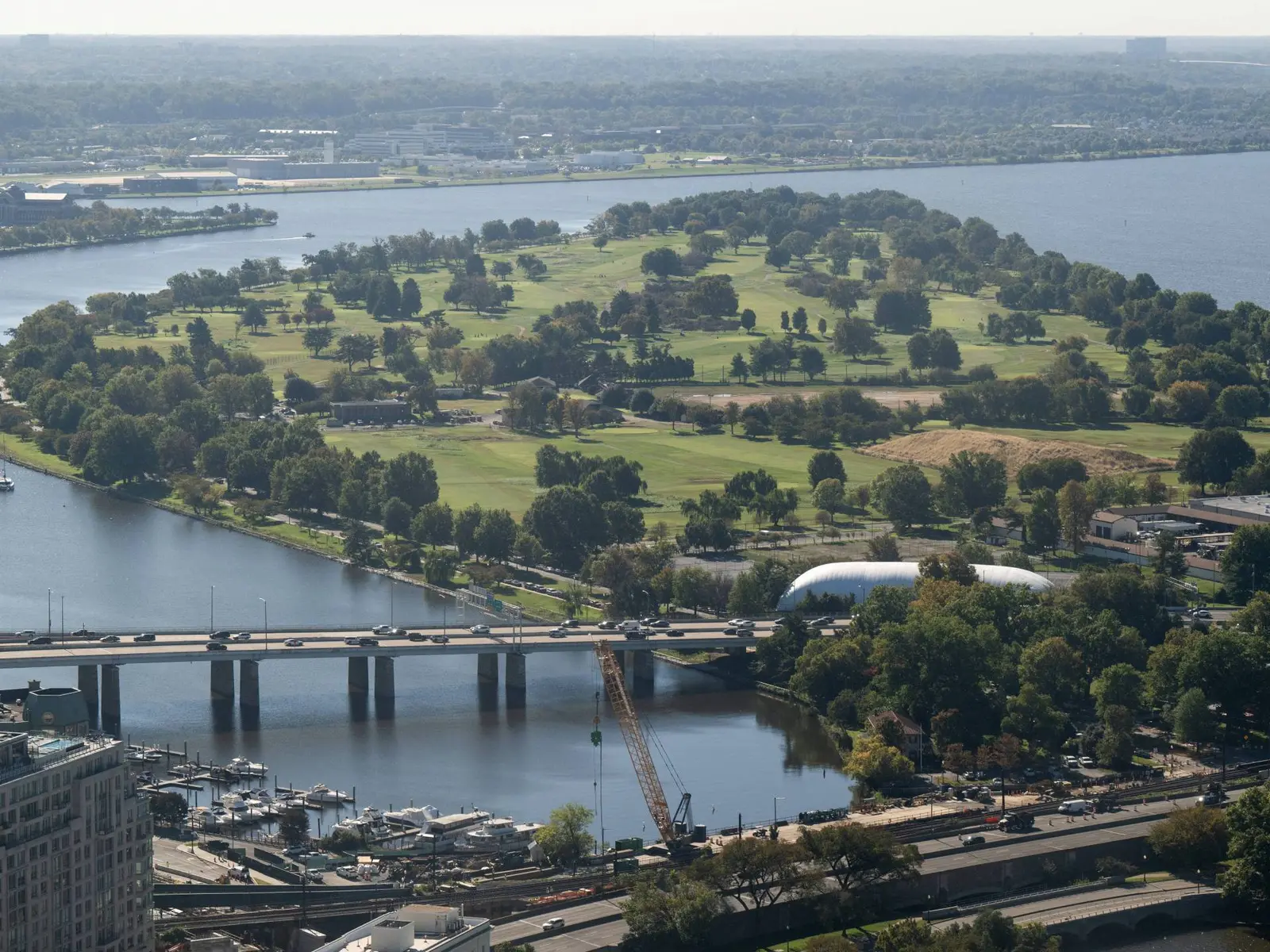 Judge Opens Probe Into Trump Lawyers Over Golf Course Dispute
 Polish Police Deployed to Top Court After Head Judge Suspended
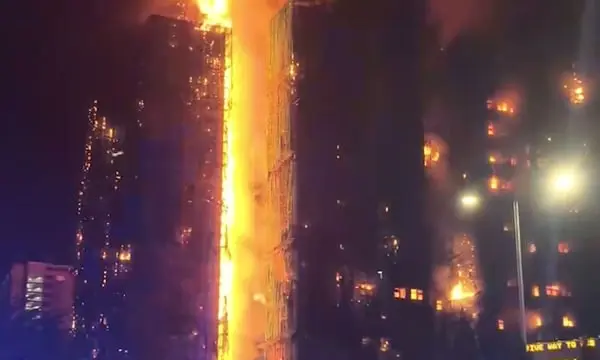 Wang Fuk Court fire: Why only one minister resigned in Hong Kong
The core idea is that machine learning models can identify dangerous conditions before accidents happen. Sensors and cameras feed data into algorithms trained to detect risks like falls, equipment malfunctions, and unsafe behaviors. Copsey's team has been testing these systems on active job sites, aiming to reduce incidents and downtime.
Researchers, however, raise concerns. They argue that AI tools often rely on historical data that may not reflect current site conditions. A model trained on past incidents might miss novel hazards or misclassify safe behavior as risky. This gap between training data and real-world complexity is a recurring theme in safety-critical AI applications.
What Does the Evidence Actually Show?
Early results are promising but not conclusive. Sites using AI hazard detection report fewer near-misses and improved compliance with safety protocols. Yet experts caution that correlation does not equal causation. The technology identifies risks, but human judgment still determines the response.
Copsey emphasizes that AI should augment, not replace, human oversight. „The system flags the danger, but the foreman decides the fix,”she explains. This human-in-the-loop approach is becoming the standard for safety AI in construction.
The broader implication is clear: AI is a powerful tool, but it is not a silver bullet. Construction remains one of the most dangerous industries, and technology alone cannot eliminate risk. The next phase will focus on integrating AI insights into daily safety briefings and training programs.
Frequently Asked Questions
Does AI replace safety officers on construction sites? No. AI flags hazards, but human safety officers make final decisions on interventions and enforcement.
How accurate are AI hazard detection systems? Accuracy varies by site conditions and training data quality. Researchers stress that no model is perfect, and false positives or negatives are common in early deployments.
When will AI safety tools become standard in construction? Adoption is accelerating, but widespread deployment depends on cost, worker acceptance, and regulatory approval. Most experts expect broader use within the next few years.