Modernising Signalling and Safety Systems
The German Transport Ministry announced a comprehensive five‑year plan to modernise the country’s deteriorating railway network on Thursday. The proposal, presented in Berlin, aims to address safety concerns, improve capacity and reduce travel times across key routes. Chancellor Olaf Merkel attended the briefing, emphasizing the plan’s role in meeting climate goals and boosting economic competitiveness.
Latest news
 French Students Face Harsh Crackdown During Nationwide School Protests
 Coalition Admits Immigration Policy Lacks Full Independent Costing
 Tony Wilson and the Factory Records Legacy Return to Cinemas
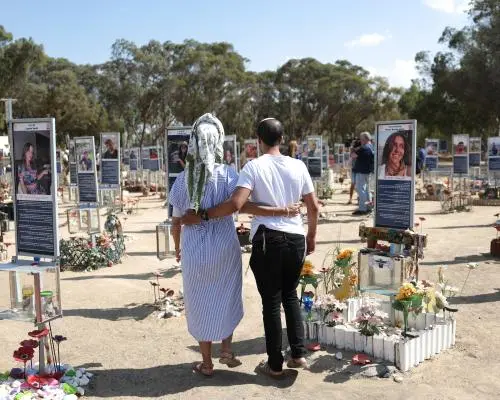 Israel Marks Three Years Since the October 7 Hamas Attacks
Why Electrification Matters for Climate Goals
The plan focuses on upgrading signalling systems, replacing aging tracks, and expanding electrification. It also includes investment in digital monitoring tools and the construction of new freight corridors to ease congestion. The ministry estimates a total cost of €30 billion, to be financed through a mix of federal funds, EU cohesion grants and private sector partnerships. The rollout will begin in 2027, with major milestones set for 2028, 2029 and 2031.
A key component of the proposal is the replacement of outdated mechanical signalling with a state‑of‑the‑art digital network. This upgrade is expected to cut accident risks and increase line capacity by up to 20 percent. Transport Minister Claudia Schneider said, „Modern signalling is the backbone of a safe, efficient rail system.” The plan also introduces real‑time monitoring of track conditions, allowing maintenance crews to respond before failures occur. By 2030, the ministry expects to have fully integrated the new system across 90 percent of the network.
How Will Funding Be Structured?
Electrification of non‑electrified routes is slated to reduce carbon emissions by an estimated 1.2 million tonnes annually. The ministry highlighted the environmental benefits, noting that rail already emits far less CO₂ than road transport. „Expanding electrification is essential for Germany’s net‑zero pledge,” Minister Schneider added. The plan prioritises high‑traffic corridors such as the North‑South and East‑West axes, where electrification will have the greatest impact on passenger and freight emissions.
Will the Plan Reduce Travel Times?
The €30 billion budget will be sourced through a combination of federal allocations, European Union grants, and private investment. The government will issue a €5 billion bond to finance early‑stage infrastructure work, while the EU is expected to contribute €8 billion under the Next Generation EU package. Private partners will be invited to participate in public‑private partnerships, particularly for station redevelopment projects. The ministry assures that the financial model will not impose significant tax burdens on citizens.
What Are the Risks and Challenges?
Travel times on key routes are projected to drop by an average of 15 percent by 2031. The new signalling and electrification will enable higher speeds and smoother operations. Passenger services on the Munich–Frankfurt corridor, for example, could see a 30 minute reduction. Freight trains will benefit from dedicated lanes, reducing delays caused by mixed traffic. The ministry’s modelling suggests that these improvements will attract more passengers and freight customers, boosting revenue for rail operators.
Implementation risks include potential cost overruns, supply chain disruptions for critical components, and coordination challenges between federal, state and local authorities. The ministry has set up a dedicated oversight committee to monitor progress and manage risks. It also plans to phase construction to minimise service disruptions, with temporary speed restrictions and night‑time work schedules.
Frequently Asked Questions
The plan’s success will hinge on timely procurement, skilled labor availability and continued political support. The government has pledged to keep the public informed and to maintain transparency throughout the project’s lifespan.