Another pointed out that while the total sum is impressive
Some Republican strategists worry that despite a massive fundraising advantage, their financial resources are being deployed too late to influence key races effectively. Concerns are growing that the party’s $1 billion war chest, while substantial, may not overcome structural challenges or Democratic momentum in critical battlegrounds. With the midterm elections approaching, internal debates are intensifying over spending timing and strategy. The Republican Party has amassed over $1 billion in campaign funds for the 2026 midterms, a figure that surpasses previous cycles and reflects strong donor enthusiasm. However, several strategists interviewed anonymously expressed concern that much of this money is being held back or allocated to races only in the final weeks, limiting its ability to shape narratives or build grassroots infrastructure early. One strategist noted that ad buys and field operations in key Senate and House districts are lagging behind Democratic efforts, which began investing months ago.
Latest news
 French Students Face Harsh Crackdown During Nationwide School Protests
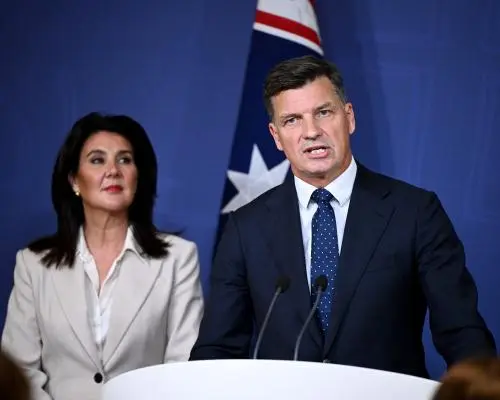 Coalition Admits Immigration Policy Lacks Full Independent Costing
 Tony Wilson and the Factory Records Legacy Return to Cinemas
 Israel Marks Three Years Since the October 7 Hamas Attacks
Another pointed out that while the total sum is impressive, its impact is diluted by late disbursement and overlapping priorities across dozens of competitive races. Why Timing Matters More Than Total Amount The effectiveness of campaign spending often depends on when it is deployed, not just how much is available. Early investment allows parties to define opponents, mobilize volunteers, and secure advertising rates before prices surge. In several swing states, Democratic groups have already booked airtime and deployed canvassers, giving them a first-mover advantage. Republican leaders acknowledge the delay but argue that waiting for clearer polling data helps avoid wasting money on unwinnable races. Still, critics within the party warn that this cautious approach risks ceding ground before the fight even begins. Can Late Spending Still Turn the Tide? Historical data shows that late-stage spending can influence undecided voters, particularly in high-profile races with heavy media exposure.
However, its effect on voter turnout and down-ballot races is generally weaker
However, its effect on voter turnout and down-ballot races is generally weaker. Some Republican operatives believe that a final surge of spending in October could energize the base and sway close contests, especially if national issues like inflation or crime dominate headlines. Others remain skeptical, noting that voters often make up their minds well before Election Day, and that late ads may simply reinforce existing preferences rather than change them. Frequently Asked Questions How much have Republicans actually spent so far? As of early October, Republicans have spent approximately $600 million of their $1 billion war chest, with the remainder reserved for final-week ad buys and get-out-the-vote efforts. Why are Republicans delaying some of their spending? Party leaders say they are waiting for more accurate polling and race ratings to avoid investing in long-shot contests, though critics argue this strategy comes at the cost of early momentum.
Is a $1 billion war chest unusual for a midterm election? Yes, this level of fundraising is unprecedented for a midterm cycle and reflects both heightened polarization and the party’s success in attracting large-dollar donors ahead of 2026.