GOP’s „Reality Gap” – A Strategic Attack
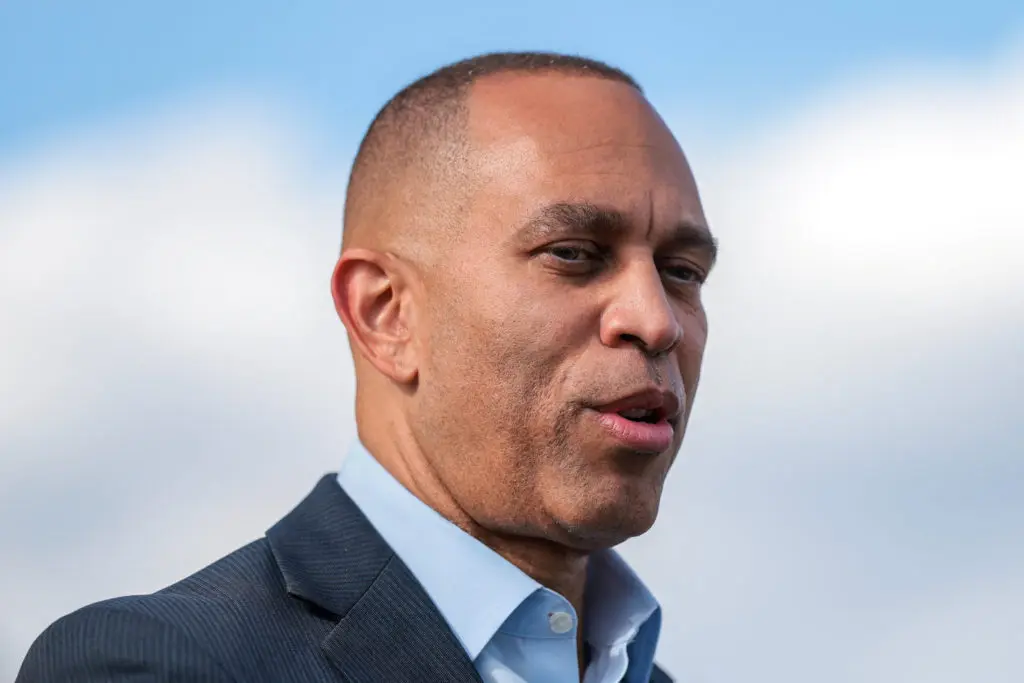
In a recent campaign stop in Toledo, Ohio, Rep. Mike Jeffries, a leading Democrat poised to become Speaker if his party secures a House majority, declared that Republicans are „divorced from reality.” The speech came during a series of rallies aimed at rallying voters for the upcoming midterm elections.
Latest news
 France Imposes Curfews After Weekend Unrest
 US Extends Residency Protections for Ukrainian and Sudanese Nationals
 Barber Praised After Intervening in Attack on Politician
 Trump and Vance Link French Civil Unrest to Immigration Policies
Jeffries’ comment follows a broader narrative in which the Democratic leadership portrays the Republican Party as out of touch with everyday concerns. He highlighted the party’s focus on partisan battles and its reluctance to address pressing economic issues such as inflation and job growth. By framing the GOP as disconnected, Jeffries seeks to energize Democratic voters and portray his party as a more realistic choice for governance.
Is the GOP Really Out of Touch? A Question for the Nation
During the rally, Jeffries contrasted the GOP’s legislative priorities with the needs of ordinary citizens. He cited examples of stalled infrastructure bills and a lack of investment in rural communities. „They talk about tax cuts for the wealthy while ignoring the rising cost of living,” he said. The speech also referenced recent polling data that shows a growing gap between Republican rhetoric and voter concerns over healthcare and education.
The remarks were met with applause from the crowd, many of whom expressed frustration over perceived partisan gridlock. Critics of Jeffries argue that the statement oversimplifies complex policy debates and risks alienating moderate voters who may be sympathetic to GOP proposals.
Frequently Asked Questions
The question remains whether the Republican Party truly ignores the realities faced by its constituents. Some GOP lawmakers point to their efforts to streamline government and reduce spending, arguing that these measures benefit the economy. Others point to the party’s emphasis on deregulation as a means to spur job creation. Yet, the disconnect highlighted by Jeffries suggests a widening divide between party platforms and public expectations.
The debate is likely to intensify as the midterm elections approach. Voters will need to weigh the promises of both parties, considering how each addresses everyday challenges such as healthcare affordability, education quality, and economic stability.