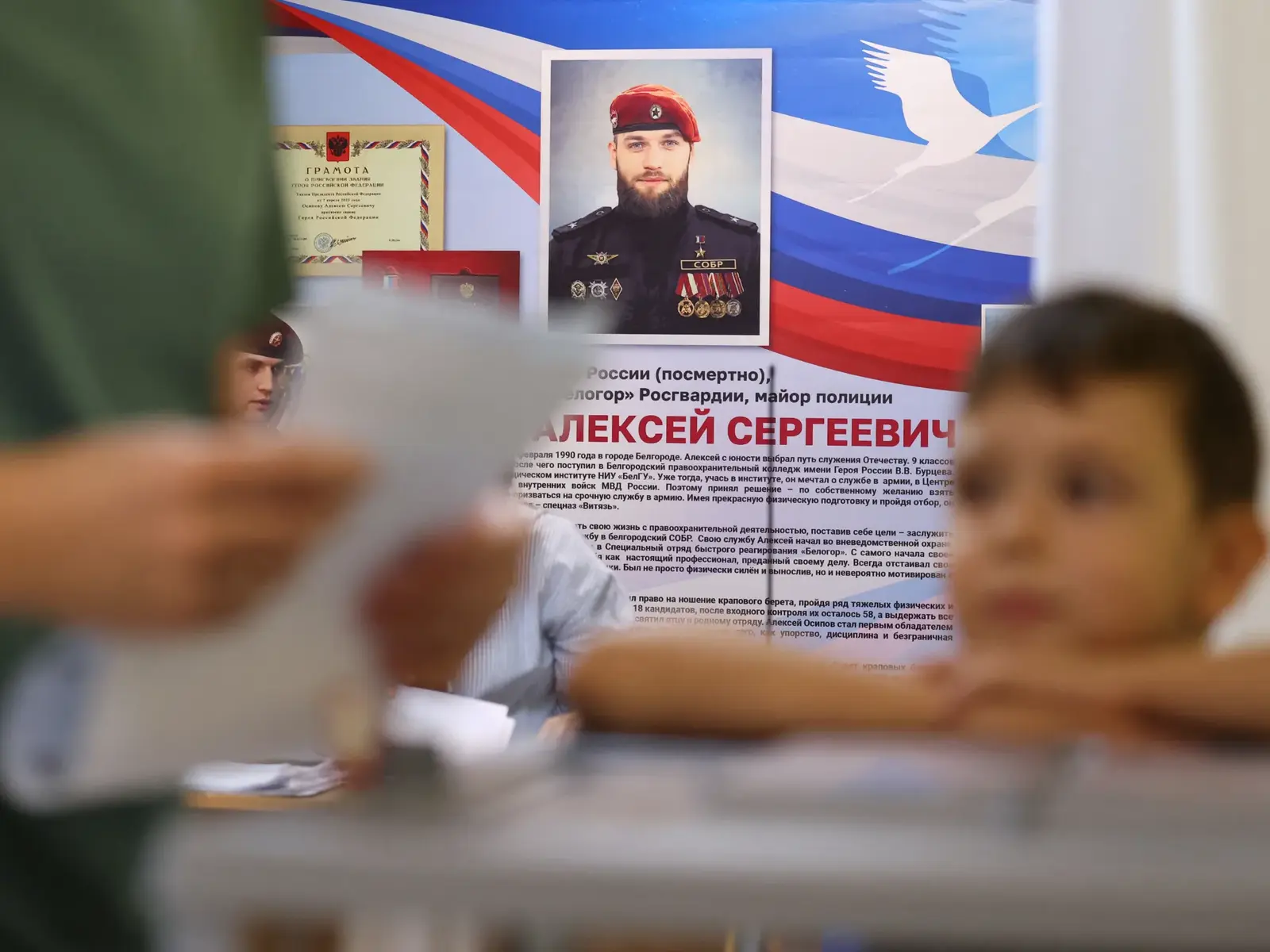
Digital Defense Under Pressure
Russian officials announced that their digital infrastructure faced significant cyberattacks on the second day of national parliamentary elections. These attacks occurred while citizens cast votes across the country. The timing coincides with a critical phase of the legislative process. Authorities confirmed the interference but stated that voting continued largely as planned. This event marks a notable disruption in the electoral timeline. The government emphasized its ability to manage the technical challenges effectively.
Latest news
 Trump Announces Creation of AI Force and New AI Czar Role
 New Borders Emerge in Southern Lebanon Amidst Ongoing Tensions
 Dutch Police Confront Hundreds of Far-Right Protesters at Anti-Immigration Rally
 Houthi Forces Claim Missile Strikes on Riyadh and Yanbu as Saudi Coalition Reports Interceptions
The current vote represents the first major election held since Moscow launched its invasion of Ukraine. Analysts view this poll as a key indicator of domestic support for the ongoing conflict. Public sentiment regarding the war remains a central focus for political leaders. The outcome may signal whether the population continues to back the administration’s strategic direction. International observers have closely monitored the proceedings for signs of stability. The results will likely influence future diplomatic and military strategies.
Cybersecurity teams worked to mitigate the impact of the reported attacks. Officials described the strikes as powerful and targeted specific government systems. The disruptions affected various administrative functions during the voting period. Despite the technical issues, most polling stations operated normally. Voters reported minimal delays in casting their ballots. The government highlighted the resilience of its digital defense mechanisms. Experts noted that such attacks often aim to create confusion or demonstrate vulnerability. The response strategy focused on maintaining public confidence in the electoral integrity.
Will Cyber Interference Alter Election Outcomes?
The election serves as a referendum on the war effort. Political analysts suggest that high turnout would bolster the leadership’s position. Conversely, low participation might indicate growing fatigue among the populace. The stakes are high for the ruling party seeking to maintain control. The legislative body elected will play a crucial role in approving budgetary measures related to defense spending. Public discourse has been limited, making the vote a primary channel for expression. The results could dictate the pace of military operations in the coming months.
The potential impact of the cyberattacks on final results remains under assessment. While voting proceeded, some regions experienced temporary connectivity issues. Officials assured the public that all votes were recorded securely. The digital safeguards prevented major data loss or tampering. Future elections may see enhanced cybersecurity protocols implemented. The incident highlights the increasing intersection between warfare and domestic politics. As conflicts extend into the digital realm, traditional voting processes face new vulnerabilities. The government plans to review its infrastructure for future resilience.
The outcome of this election will shape Russia’s internal political landscape for years. A strong mandate could empower the executive branch to pursue aggressive policies. Alternatively, a mixed result might prompt adjustments in communication strategies. The international community watches closely for signals of change or continuity. The cyberattacks add a layer of complexity to an already complex geopolitical situation. Russia must balance military commitments with domestic stability. The next few days will reveal the true extent of public support. This election sets the stage for the next phase of the conflict.
Frequently Asked Questions
How many days does the Russian parliamentary vote last? The voting process spans multiple days to accommodate the vast geography of the country. This extended period allows for higher participation rates. It also provides time for logistical coordination across regions.
What was the primary goal of the reported cyberattacks? The attacks aimed to disrupt administrative systems during the critical voting window. Officials believe the objective was to test digital defenses. Creating visible chaos was likely a secondary tactical goal.
Will the results determine the length of the war? While not a direct decision-making tool, the results gauge public tolerance. High support may encourage continued military engagement. Low support could lead to strategic shifts in policy.