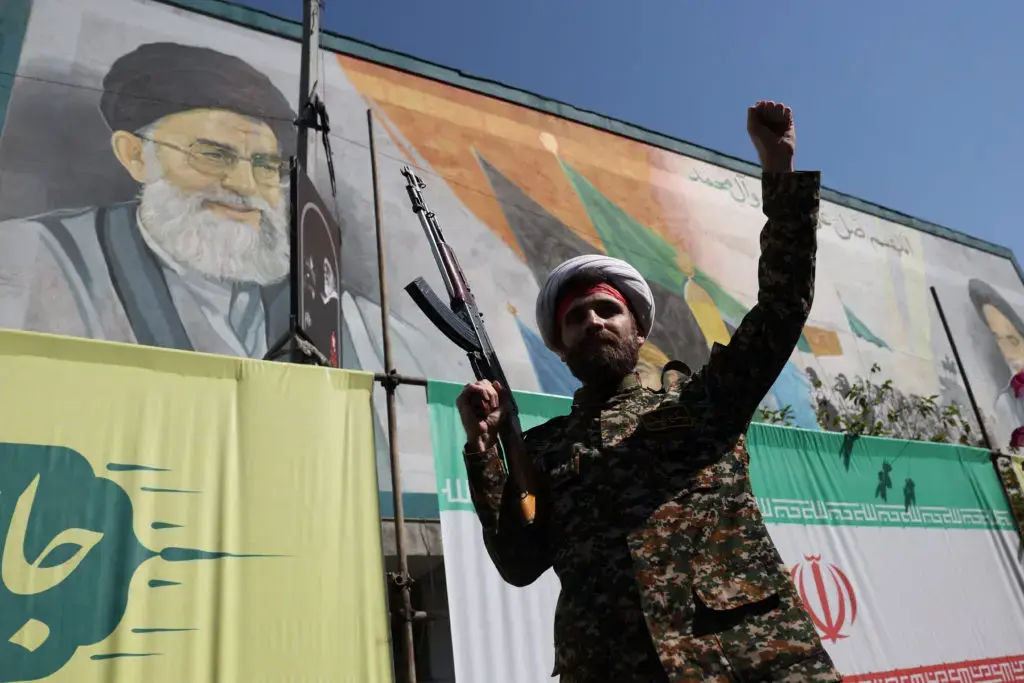
How Did the Kremlin Ensure Electoral Dominance?
Moscow, Russia – December 2023 – The ruling United Russia party has claimed a decisive victory in Russia’s recent parliamentary elections, securing a supermajority in the State Duma despite mounting public dissatisfaction over the ongoing war in Ukraine. Official results show the party winning over two-thirds of the seats, reinforcing Vladimir Putin’s political dominance ahead of the 2024 presidential vote. The election, held amid widespread international criticism and domestic economic strain, was closely monitored for signs of voter dissent, though opposition parties faced significant barriers to participation.
Latest news
 Global Diplomacy Prepares for the 2026 UN Leadership Transition
 Donald Trump Proposes Long-Term Security Oversight for Greenland
 Tensions Escalate Between Washington and Tehran During UN General Assembly
 Stock Market Futures Hold Steady Following Strong Monday Rally
The outcome underscores the Kremlin’s tight control over Russia’s political landscape, where independent media restrictions and legal hurdles have limited genuine competition. Analysts note that while voter turnout appeared lower than in previous elections, United Russia’s victory was bolstered by administrative resources and the absence of strong challengers. The war in Ukraine, now in its second year, has led to growing fatigue among some Russians, yet the Kremlin has framed the conflict as a existential struggle, using state narratives to maintain public loyalty. Despite sanctions and battlefield setbacks, the government continues to portray the military campaign as necessary for national security.
What Does This Mean for Putin’s Leadership Ahead of 2024?
State-backed institutions played a central role in shaping the electoral environment, with laws limiting opposition candidates and promoting pro-government narratives. Independent observers reported irregularities, including pressure on public servants to vote for United Russia and restricted access to polling stations for monitoring groups. The Central Election Commission dismissed allegations of fraud, asserting compliance with legal procedures. Meanwhile, prominent critics of the war, such as jailed opposition figure Alexei Navalny, remained unable to influence the vote, their organizations labeled extremist and banned. The Kremlin’s strategy relied on consolidating power through institutional control rather than open competition.
The supermajority grants United Russia the constitutional authority to pass legislation without opposition support, potentially enabling further centralization of power. It also strengthens Putin’s position as he prepares for another presidential term, reducing the risk of parliamentary pushback on key policies. However, experts warn that declining public enthusiasm for the war could pose long-term challenges, especially if economic conditions worsen or military setbacks continue. While the election result affirms short-term stability, sustaining legitimacy may require addressing growing concerns over casualties, sanctions, and isolation from the West. The Kremlin now faces the task of balancing military objectives with domestic morale in an increasingly constrained environment.
Was the election considered free and fair by international observers? No, major international bodies such as the OSCE declined to send full monitoring missions, citing restrictive conditions and lack of genuine competition, while local independent monitors reported numerous procedural violations.
Frequently Asked Questions
Did any opposition parties gain representation in the new parliament? Only a small number of candidates from loyalist opposition parties, which pose no real challenge to Kremlin policies, secured seats through the party-list system, while genuine opposition groups were largely excluded from the ballot.
How has the war in Ukraine influenced voter behavior in Russia? Although the war remains unpopular among certain demographics, particularly urban and younger voters, state media framing and limited access to alternative information have helped sustain support for the government’s position in many regions.