How Does the Absence of Opposition Affect Voter Perception?
Russians began three days of voting on Friday in parliamentary elections across 11 time zones, electing 450 deputies to the State Duma and 11 regional governors. The vote took place in Vladivostok and other cities from September 18 to 20, 2026, with no registered political party openly opposing President Vladimir Putin or the war in Ukraine appearing on the ballots. Election officials reported steady turnout in the Far East, where voters queued at polling stations under heightened security.
Latest news
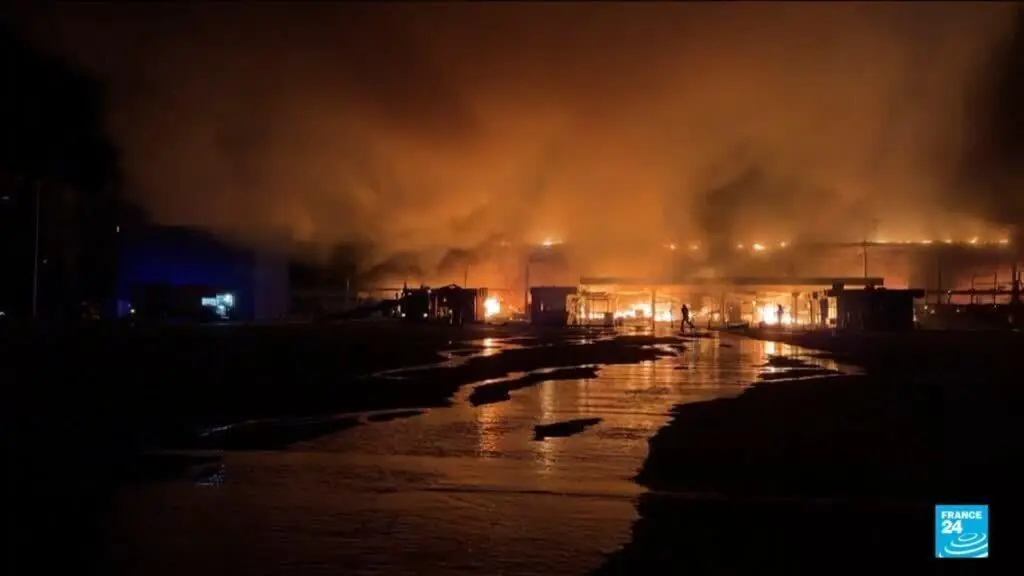 Ukraine Strikes Persist While Russian Polling Stations Open for Election
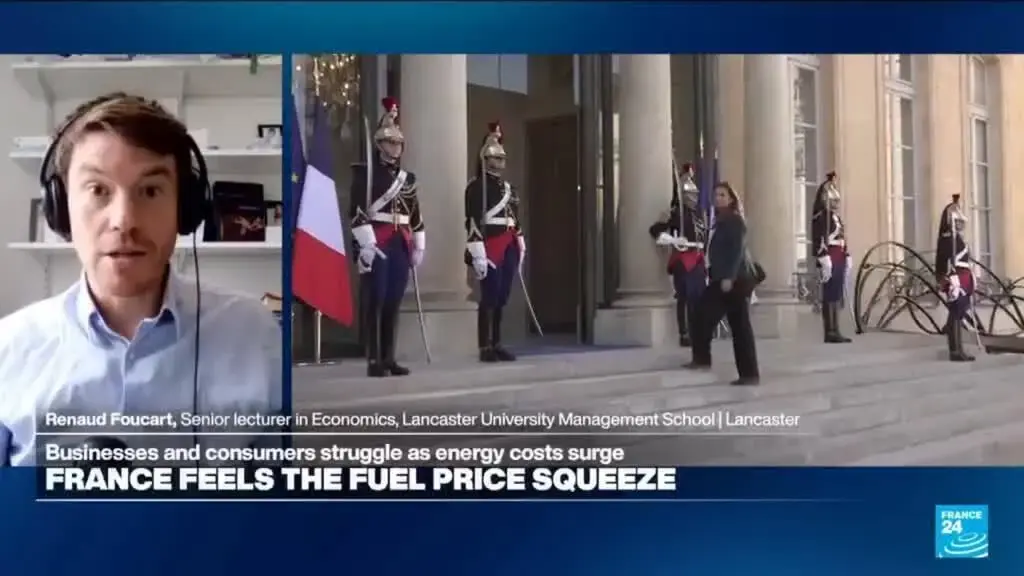 Macron Calls French Party Leaders Together as Energy Costs Surge Amid Iran and Ukraine Conflicts
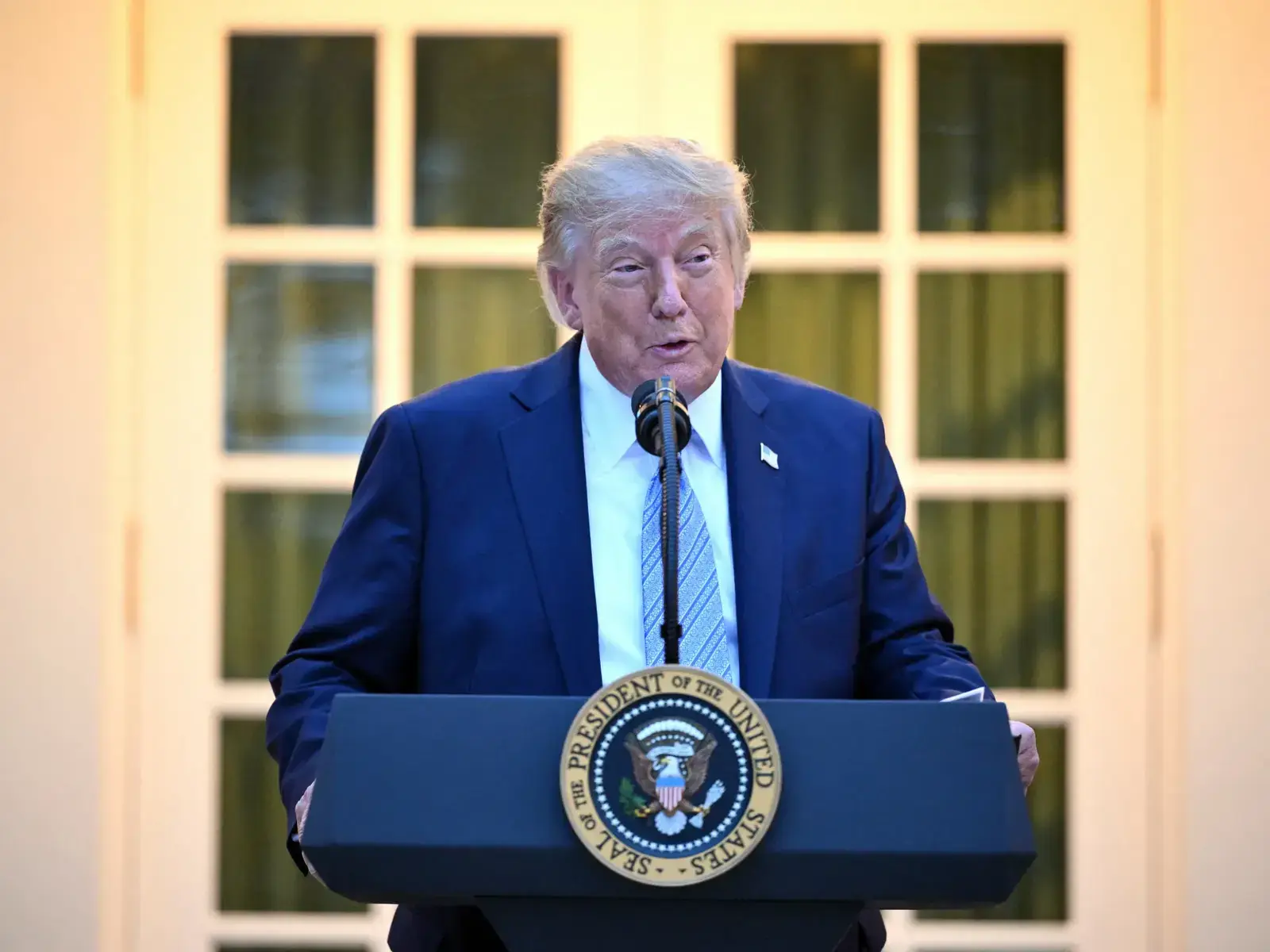 US Voters Oppose War on Iran, 71% Say Trump Administration Lacks Strategy
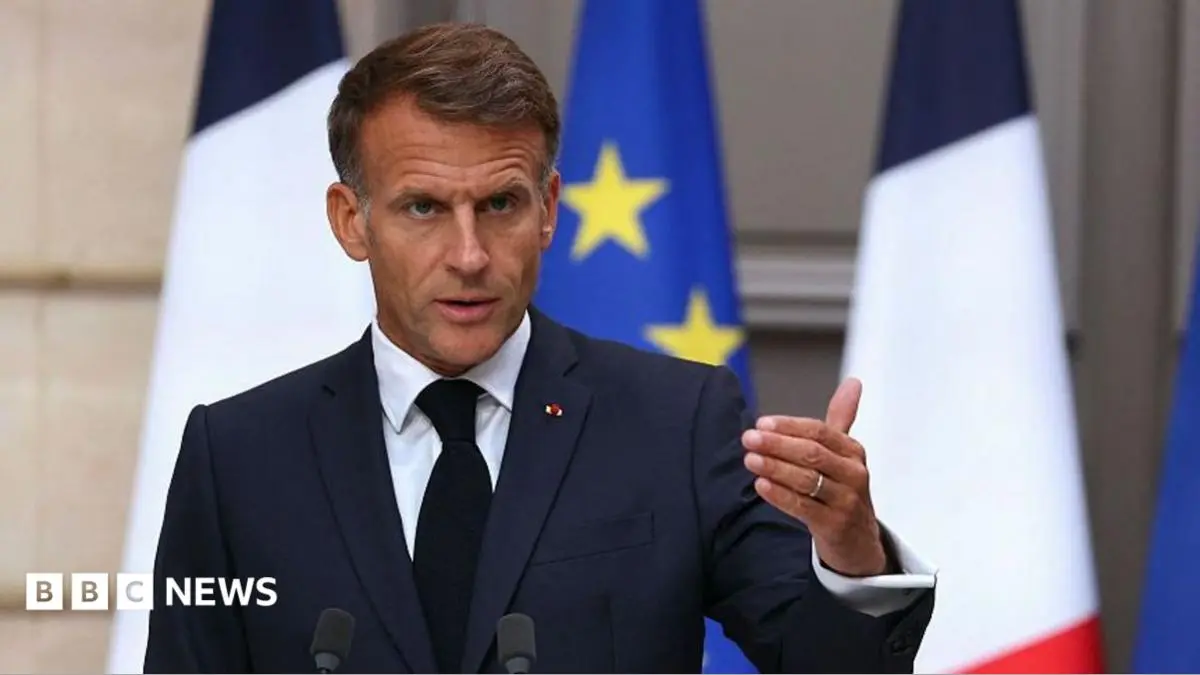 French President Warns of Rising Russian Hybrid Threats to Europe
The elections are widely seen as a referendum on Putin’s leadership and the ongoing conflict in Ukraine, though opposition voices remain excluded from the formal process. Independent candidates face significant barriers to registration, and parties critical of the war have been barred or dissolved under laws restricting dissent. State media framed the vote as a demonstration of national unity, while international observers noted the absence of meaningful choice. Local election commissions reported no major incidents on the first day, though some voters expressed frustration over limited options.
What Are the Implications for Regional Governance?
Many voters described feeling compelled to participate despite skepticism about the election’s fairness. In Vladivostok, pensioner Irina Sokolova said she voted „to fulfill my duty,” but admitted she had no preferred candidate. Others, like young engineer Dmitry Levin, criticized the lack of alternatives, calling the ballot „a formality.” Analysts suggest low enthusiasm could undermine the Kremlin’s goal of showcasing broad support, even as authorities emphasize high turnout as a sign of stability. Independent polls indicate growing war fatigue, particularly in regions affected by mobilization and economic strain.
The election of 11 regional governors could influence local administration of war-related policies, including recruitment and resource allocation. Winners, all backed by United Russia or allied parties, will oversee budgets and security measures in their territories. In the Far East, where populations have expressed concern over troop deployments and inflation, governors may face pressure to balance Kremlin directives with local needs. Experts warn that without accountable opposition, regional leadership may become increasingly detached from public sentiment, relying instead on central directives to maintain control.
Were any anti-war parties allowed to run in the elections? No, no political party openly opposing the war in Ukraine or President Putin was permitted to participate, as such groups have been barred or dissolved under current legislation.
Frequently Asked Questions
How did authorities ensure voter participation? Officials promoted the vote as a civic duty and deployed extensive security, though no coercion was reported; turnout appeared moderate in early reports from regions like Vladivostok.
What happens if elected officials disagree with federal war policies? Regional governors and deputies must align with federal directives, as dissent risks removal or legal action under laws limiting criticism of state policy.