Why the Vote Feels Like a Performance
Polls indicate United Russia is poised to retain power in the upcoming parliamentary vote, with little expectation of meaningful change.
Latest news
 South Africans Mark Femicide Victims in Emotional Cape Town Vigil
 Russians flee ahead of election results, fearing forced mobilisation
 Israeli Forces Conduct Demolitions in Southern Lebanon, Hospital Set Ablaze
 Fear of AI Job Losses Now Outweighs Hope for New Opportunities, Study Shows
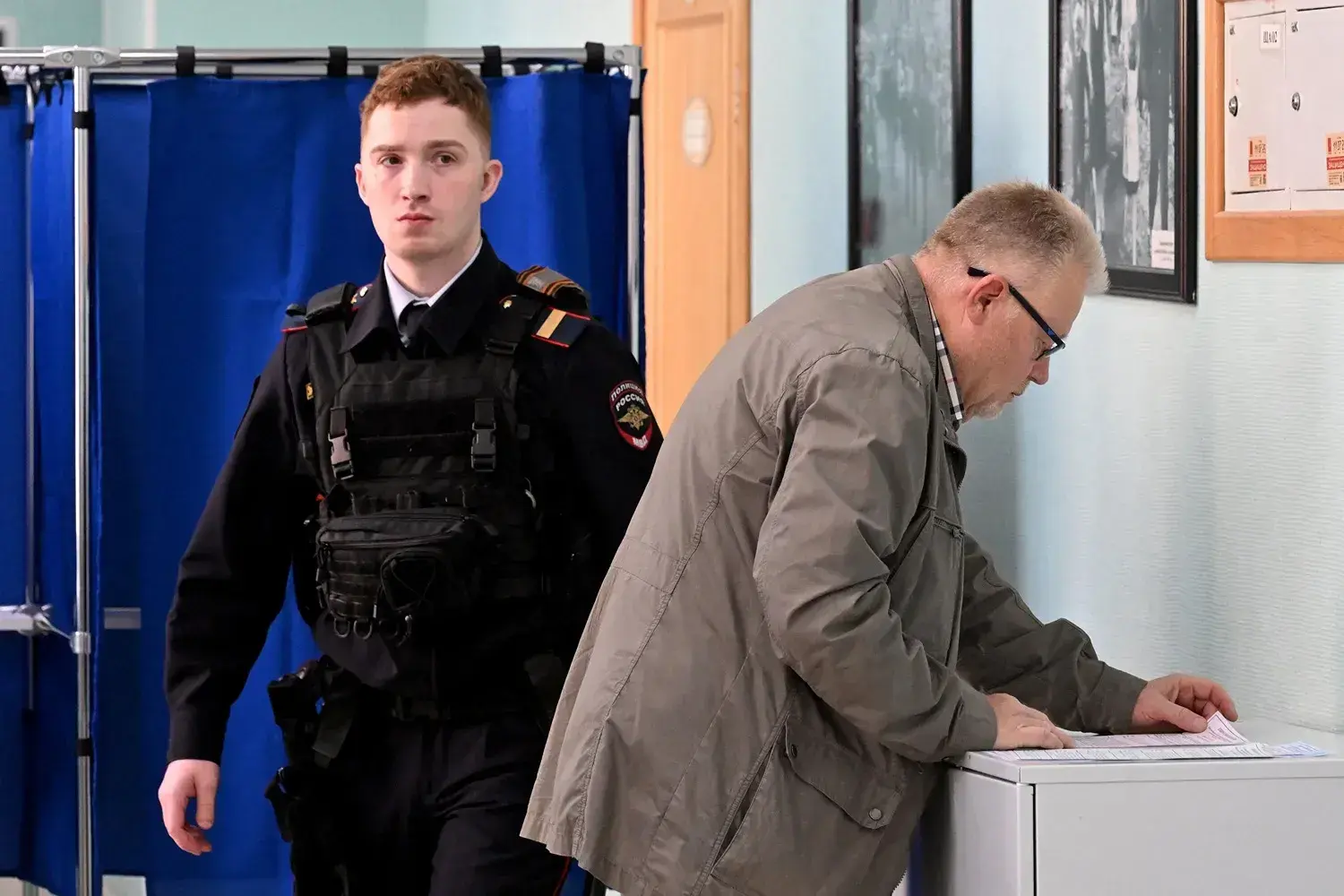
Russia’s parliamentary elections are set to proceed as a carefully managed ritual rather than a competitive political process. Despite formal procedures and candidate registrations, the outcome is widely seen as predetermined, with United Russia maintaining its dominance through systemic advantages. Opposition voices remain marginalized, and independent monitoring is restricted, reinforcing the perception that the vote serves to legitimize existing power rather than reflect popular will. The Kremlin frames the election as a demonstration of stability, while critics argue it undermines democratic norms.
What Does This Mean for Russia’s Political Future?
The electoral process in Russia has evolved into a managed spectacle designed to project legitimacy without enabling real competition. State resources, media control, and administrative barriers ensure United Russia’s advantage, while genuine alternatives struggle to gain ballot access or public visibility. International observers have repeatedly noted deficiencies in fairness and transparency, though Moscow dismisses such critiques as interference. For many citizens, participation feels less about choice and more about fulfilling a civic expectation within a tightly controlled system.
The continuation of United Russia’s dominance suggests minimal near-term shifts in policy or governance. With no viable challenge to the ruling party, decision-making remains centralized, and reform initiatives are unlikely to emerge from the legislature. This dynamic may deepen public disengagement over time, particularly among younger voters who perceive the system as unresponsive. Yet, for now, the Kremlin appears confident that the ritual of voting will suffice to maintain its authority without requiring substantive concessions.
Is there any real competition in Russia’s parliamentary elections? While opposition parties are allowed to register, they face significant hurdles including media exclusion, signature requirements, and legal challenges that limit their ability to campaign effectively. As a result, meaningful competition is rare, and most races lack genuine alternatives.
Frequently Asked Questions
How do Russian officials justify the electoral process? Authorities describe the elections as a reflection of national unity and stability, emphasizing high turnout and public support for United Russia as evidence of popular legitimacy. They frame criticism as externally motivated and incompatible with Russia’s sovereign political model.
Could these elections lead to protests or unrest? Past elections have triggered isolated demonstrations, particularly in urban centers, but widespread unrest has not materialized due to strict security measures and limited organizational space for dissent. Authorities remain vigilant, and any signs of mobilization are met with swift response.