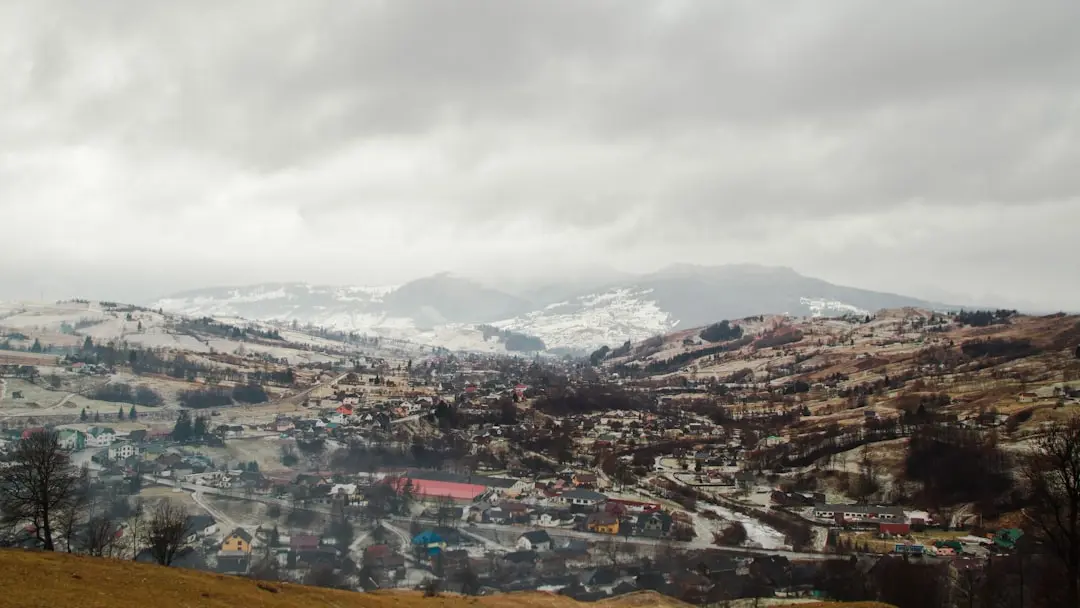
What triggers the latest wave of departures
Human rights groups report a sharp rise in Russians of military age leaving the country before the September 2026 parliamentary elections conclude. Emergency emigration assistance requests have surged eightfold since July, driven by fears of post-election mobilisation. Activists say many are seeking refuge in neighbouring states to avoid potential conscription.
Latest news
 South Africans Mark Femicide Victims in Emotional Cape Town Vigil
 Israeli Forces Conduct Demolitions in Southern Lebanon, Hospital Set Ablaze
 Fear of AI Job Losses Now Outweighs Hope for New Opportunities, Study Shows
 US military deaths in Iran conflict exceed Pentagon's public count
The exodus reflects growing anxiety among young men who recall the partial mobilisation of 2022, when hundreds of thousands were called up following regional votes. This time, concerns centre on whether the Kremlin might use the election outcome as a pretext to expand military recruitment. Border crossings into Georgia, Kazakhstan and Finland have seen increased traffic, particularly from cities like Moscow and Yekaterinburg. Legal aid organisations note that most applicants cite political persecution or fear of forced service as their primary motive.
Interviews with those leaving suggest a pattern: many waited until after voting began to assess the political climate before deciding to flee. Some reported receiving unofficial warnings from military offices about upcoming verification checks. Others described heightened scrutiny at workplaces and universities, where officials began requesting updated military registration documents. One 24-year-old IT specialist from Novosibirsk told activists he left after his employer received a list of employees to verify for reservist status, saying, „They didn't call me yet, but the list was ready.” How are neighbouring countries responding Reception countries report strained resources as arrivals exceed processing capacities. Georgian authorities have extended temporary stay permits for Russians fleeing mobilisation risks, while Kazakhstan introduced expedited registration for those seeking humanitarian visas. Finland, which suspended asylum processing for Russians in 2023, has made exceptions for individuals presenting evidence of imminent conscription threats.
Will election results determine next steps
However, all three nations stress they are not offering blanket protection, evaluating each case individually based on documented risks.
Analysts warn that regardless of official outcomes, the perception of electoral legitimacy could influence Kremlin decisions on military manpower needs. If results are contested domestically or internationally, authorities might seek to consolidate control through traditional means, including defence reinforcements. Conversely, a seemingly stable outcome could reduce immediate pressure for new recruits, though long-term military planning remains unchanged. Human rights monitors caution that any lull in departures may be temporary, as verification drives often intensify months after major political events.
Frequently Asked Questions
Are all leaving Russians avoiding military service? Not necessarily. While many cite conscription fears, others mention political dissent, economic concerns or family reunification as motivations. Authorities in destination countries assess each claim individually.
Can Russians legally leave during election period? Yes, there are no travel restrictions preventing departure during elections. However, those with active military obligations may face legal consequences if they fail to report for duty after leaving.
How does this compare to 2022 mobilisation flight? The current exodus is smaller in scale but more targeted, focusing on specific age groups and professions. In 2022, flight began after mobilisation was announced; now, people are leaving preemptively based on anticipated actions.