Strategic Vulnerability of Energy Infrastructure
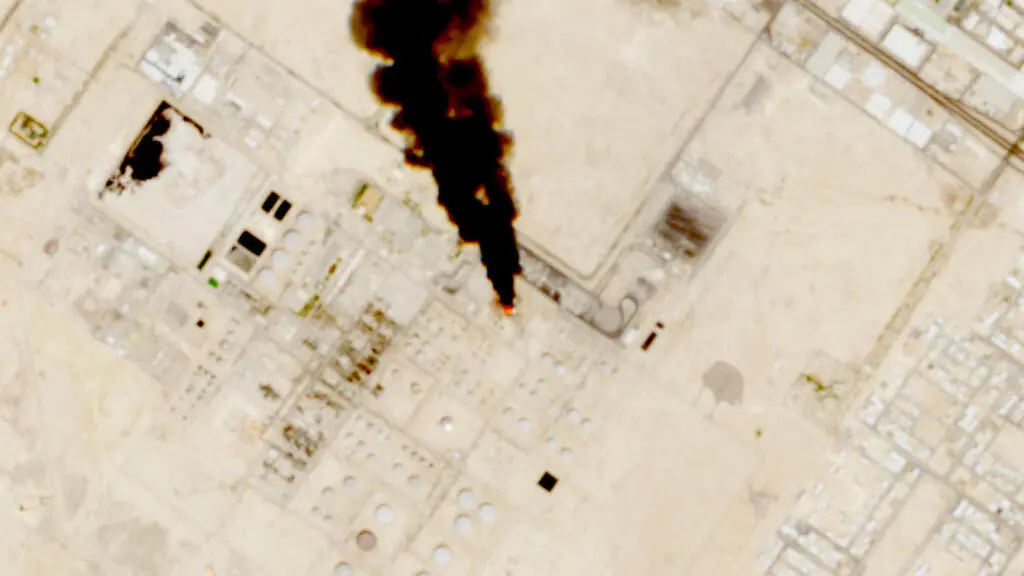
Saudi authorities confirmed on Wednesday that a Saudi Aramco facility in Dhahran sustained damage during recent Houthi missile strikes. The attack resulted in injuries to four individuals. This incident marks a significant escalation in regional tensions. The targeted building is part of a critical energy infrastructure network. The government issued an official statement regarding the event.
Latest news
 President Calls for Restraint in US-Iran Deal
 Rekindling a War: Netanyahu Urges Trump to Act on Iran Before Election
 Cairo to Host Palestinian Groups for Unity and Election Talks
 India's Cockroach Movement Leaders Remanded in Judicial Custody
The Houthi group, based in Yemen, launched the projectiles toward Saudi territory. Defense systems intercepted some threats, but others impacted the target. Officials described the structural damage as significant. Emergency services responded immediately to the scene. Medical teams treated the four wounded personnel. Security forces secured the surrounding area. The attack disrupted normal operations at the site.
The Dhahran facility serves a vital role in the country's oil production. It processes crude oil for domestic and international markets. Houthi leaders have previously targeted similar sites to exert pressure. They aim to disrupt global energy supplies. This strategy seeks to gain leverage in broader conflicts. The timing of the strike coincides with ongoing diplomatic efforts. Analysts note the increasing frequency of such attacks. The Houthis claim responsibility for multiple recent strikes. They frame these actions as support for allies in the region.
Can Regional Tensions De-escalate?
Saudi Arabia maintains a robust air defense network. Systems like THAAD and Patriot missiles are deployed. Despite these defenses, some projectiles breach the perimeter. The damage to Aramco highlights persistent security gaps. The company operates numerous refineries and processing plants. These sites remain high-value targets for insurgent groups. The incident underscores the fragility of supply chains. Global markets reacted with caution following the news. Investors monitor the situation for further disruptions.
Diplomatic channels remain active despite the violence. International actors urge restraint from all parties. The United Nations has called for an end to hostilities. Regional powers seek a negotiated solution. The Houthi offensive complicates peace negotiations. Saudi Arabia continues to protect its economic interests. The four injured individuals are recovering from their wounds. No fatalities were reported in this specific incident. The government promises a thorough investigation.
Frequently Asked Questions
The attack signals a continued threat to energy security. Future strikes are possible if tensions persist. Global oil prices may fluctuate based on developments. Supply routes through the Red Sea remain risky. Shipping companies face increased insurance costs. The situation demands urgent international attention. Stability in the Middle East is crucial for global trade. All parties must prioritize de-escalation to prevent further loss. The coming weeks will determine the trajectory of the conflict.
How many people were injured in the attack? Four individuals sustained injuries when the Aramco building in Dhahran was hit. No deaths were reported in the incident.
Which group claimed responsibility for the missiles? The Houthi movement in Yemen is identified as the source. They launched the projectiles toward Saudi territory.