
Breuer’s Vision of a „Forward‑Facing” Alliance
BRUSSELS — On Saturday, the 32 chiefs of defense from NATO member states will vote to appoint the next chair of the alliance’s Military Committee, the highest‑ranking military forum. The decision comes as the bloc braces for possible Russian aggression and ongoing strains between Europe and North America. Candidates include Germany’s Lieutenant General Carsten Breuer and Canada’s Lieutenant General Jennie Carignan, both vying to steer NATO’s strategic direction.
Latest news
 Former Syrian General Arrested Over Civil War Operations
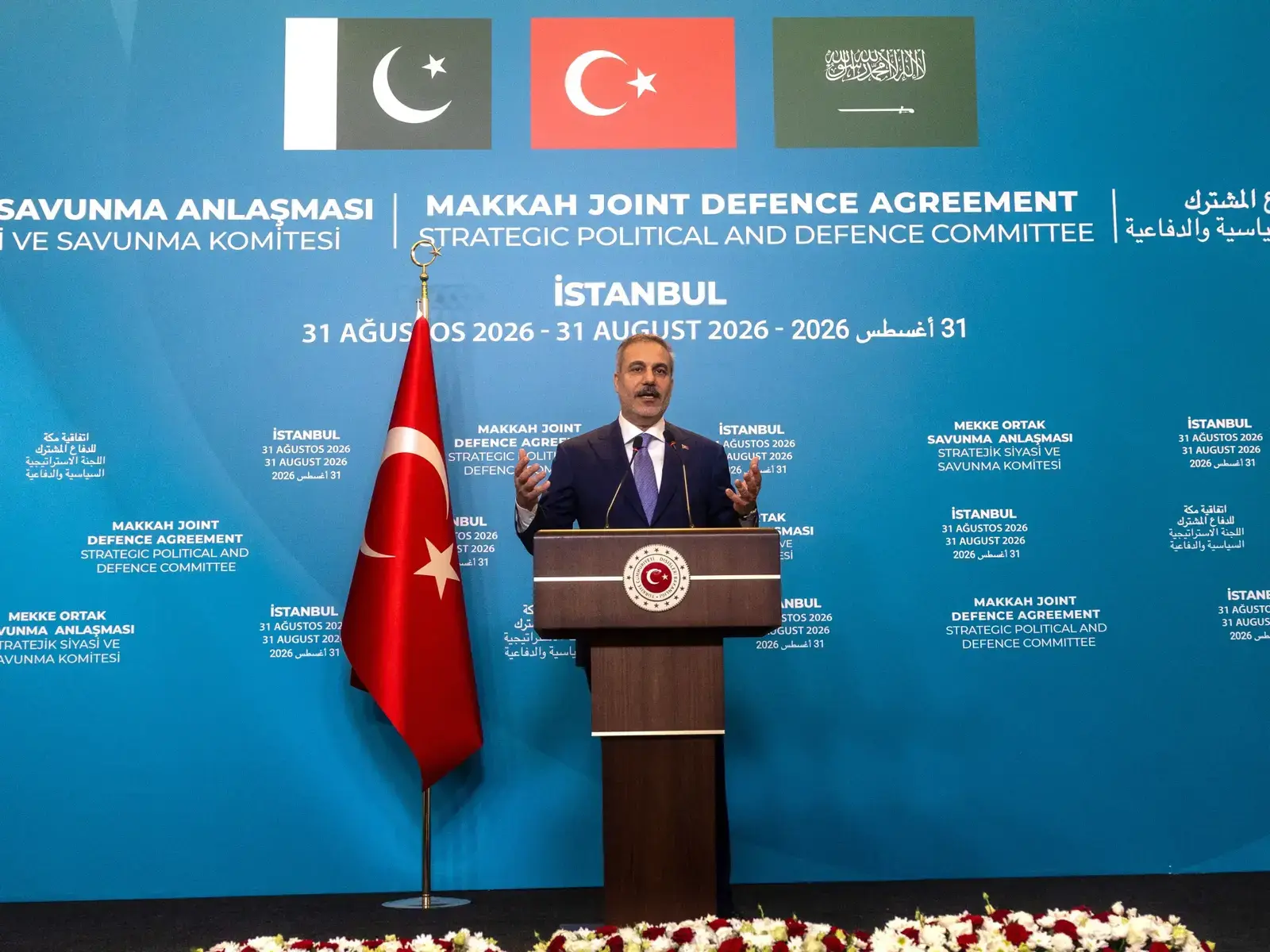 Turkiye pledges military support to Riyadh as Houthi threats rise
 Escalating Tensions in the West Bank Lead to Arrests and Property Damage
 Turkish Official Warns Israel Against Territorial Ambitions
The election follows months of behind‑the‑scenes lobbying among member nations. The chairmanship, a three‑year term, influences how NATO allocates resources, conducts joint exercises, and coordinates responses to crises. With Russia’s war in Ukraine still raging and NATO’s eastern flank under pressure, the new leader will shape defence postures, cyber‑defence initiatives, and the alliance’s political‑military cohesion. Both Breuer and Carignan have highlighted the need for stronger deterrence, faster decision‑making, and deeper transatlantic cooperation.
Can Carignan Bridge the Transatlantic Gap?
General Breuer, a veteran of NATO’s rapid‑reaction forces, argues that the alliance must adopt a more proactive stance. He proposes expanding multinational battlegroups in the Baltic states and increasing joint air‑patrols over the Black Sea. „We cannot wait for threats to materialise; we must position forces where they can deter aggression before it starts,” he told a closed briefing in Brussels. Breuer also emphasises modernising NATO’s command structure, pushing for faster integration of artificial‑intelligence tools in intelligence analysis. His supporters cite Germany’s recent defence spending boost and its role in recent NATO summits as evidence of a reliable partner.
General Carignan, the first woman to command Canada’s Joint Operations Command, frames her candidacy around unity. She warns that „political rifts risk eroding the very foundation of our collective security.” Carignan proposes a series of high‑level dialogues between European and North‑American defence ministers to address divergent threat assessments. She also stresses expanding cyber‑defence cooperation, proposing a joint NATO‑Canada cyber‑task force to protect critical infrastructure. Canadian officials argue that her experience in multinational missions, from Afghanistan to the Arctic, equips her to manage NATO’s diverse challenges.
What Does the New Chair Mean for NATO’s Future?
The vote, conducted by secret ballot, will determine which of these contrasting approaches will guide NATO’s senior military council. Observers note that the outcome could signal the alliance’s strategic emphasis for the next three years, whether leaning toward a more assertive posture in Eastern Europe or prioritising internal cohesion and technological integration.
Whichever candidate wins, the new chair will inherit a complex security environment. The alliance must balance deterrence against Russia, address emerging threats such as cyber attacks and space warfare, and manage budget disparities among members. The chair will also oversee the implementation of the recent „Readiness and Resilience” initiative, aimed at ensuring rapid deployment capabilities. Analysts expect the new leader to push for greater burden‑sharing, urging lagging members to meet the 2 percent GDP defence spending target.
Who decides the NATO Military Committee chair? The 32 chiefs of defence from each NATO member nation vote by secret ballot. The candidate with the majority becomes chair for a three‑year term.
Frequently Asked Questions
Why is the election considered crucial now? With Russia’s ongoing war in Ukraine and heightened tensions in the Atlantic, the chair influences NATO’s deterrence strategy, force deployments, and coordination on emerging threats like cyber‑warfare.
What are the main differences between Breuer and Carignan’s platforms? Breuer focuses on forward deployment and AI‑driven intelligence, while Carignan emphasises transatlantic dialogue, cyber‑defence cooperation, and political unity.