Critics argue the delays have worsened the situation, while supporters say the
Spanish Prime Minister Pedro Sánchez is set to make a public statement amid growing speculation that he will call a snap general election. The move comes after parliament rejected two key government proposals aimed at tackling Spain’s deepening housing crisis. Sánchez faces mounting pressure to act as housing affordability worsens across major cities, with rents soaring and social housing stock critically low. The announcement is expected later today, potentially reshaping the political landscape ahead of the scheduled 2027 election. The housing emergency has become a central issue in Spanish politics, with young people and low-income families increasingly unable to afford homes in urban centers like Madrid and Barcelona. Sánchez’s government had introduced measures to cap rent increases and expand public housing, but these were blocked in parliament by opposition parties and regional allies.
Latest news
 Brazil Election Results Spark Global Market Optimism
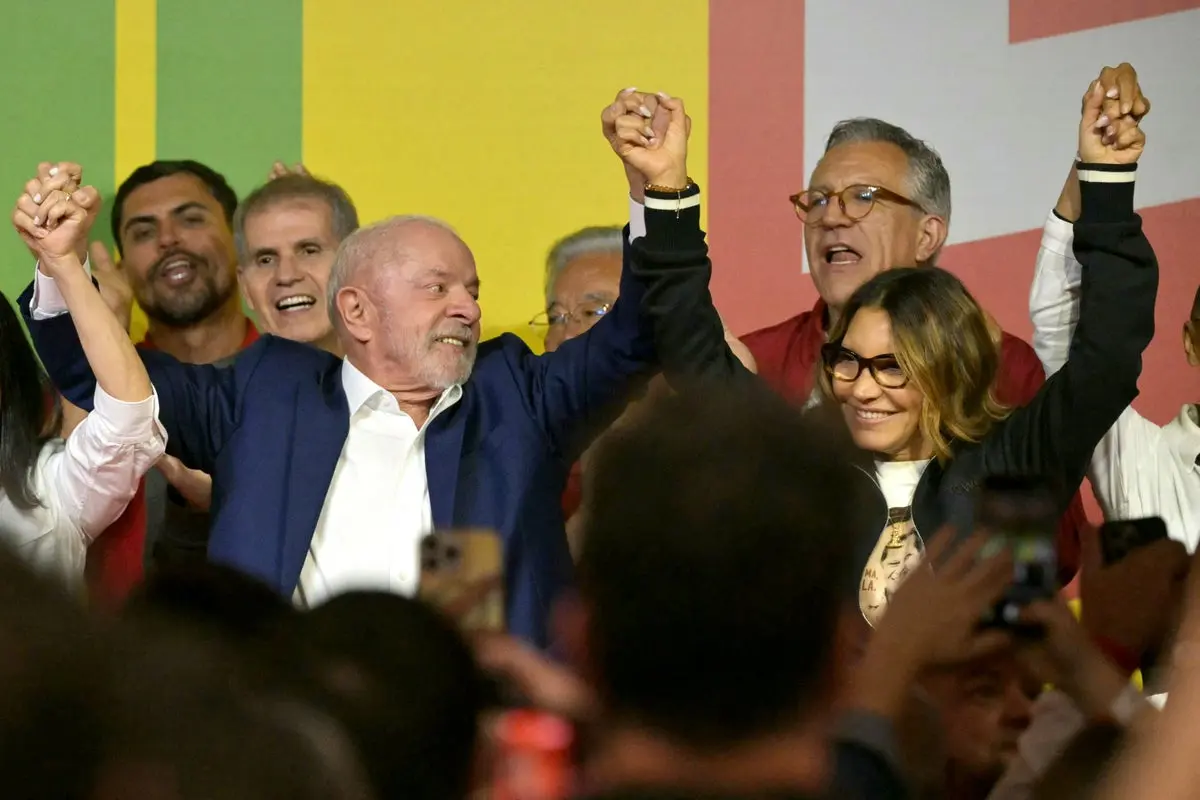 Brazil Headed for Presidential Runoff After Right-Wing Surge
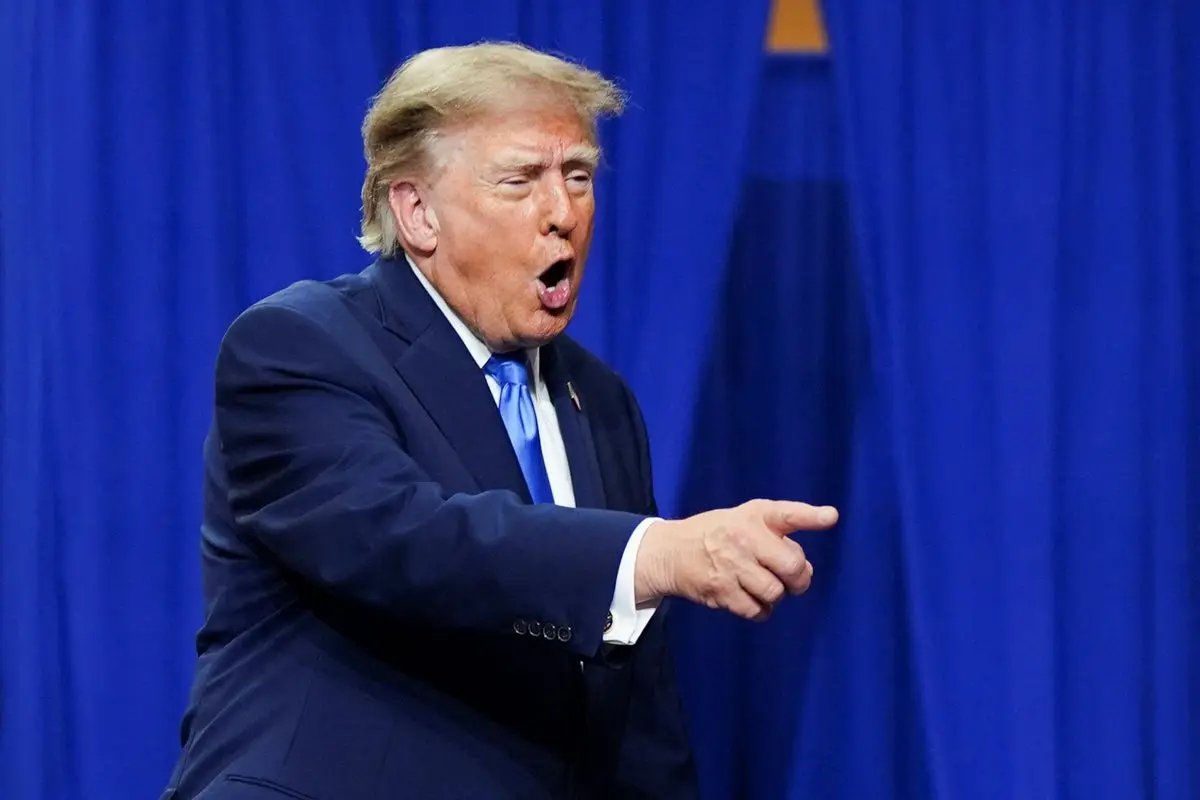 Trump Claims US Voting Is Corrupt Ahead of Midterms
 Thailand Faces Urgent Calls to Reform Strict Royal Defamation Legislation
Critics argue the delays have worsened the situation, while supporters say the reforms were necessary but poorly timed. Sánchez now appears ready to seek a fresh mandate to push through his agenda, framing the election as a referendum on social justice and economic fairness. Why Is Sánchez Risking an Early Vote Now? Sánchez’s decision to consider a snap election stems from repeated legislative defeats that have hampered his ability to govern effectively. With his coalition lacking a stable majority, each vote in parliament has become a battle, stalling progress on priority issues like housing, healthcare, and climate policy. By calling an early election, he hopes to strengthen his position and secure a clearer mandate to implement reforms without constant obstruction. Recent polls show his Socialist Party gaining ground, particularly as voters express frustration over the cost of living.
However, the gamble carries risk: a poor result could weaken his leadership and
However, the gamble carries risk: a poor result could weaken his leadership and empower rival parties, including the far-right Vox and the conservative PP. What Would a Snap Election Mean for Spain’s Housing Policy? A new election could reset the debate on housing, giving Sánchez a chance to renew his push for rent controls and social housing investment if re-elected with stronger backing. Opposition parties, however, have signaled they would reverse many of his proposals, arguing they deter investment and distort the market. Housing advocacy groups warn that delay only deepens inequality, with evictions rising and more families facing homelessness. Regardless of the outcome, the election is likely to intensify national debate over whether housing should be treated as a market commodity or a fundamental right.
The coming weeks will determine whether Sánchez can turn crisis into political opportunity—or whether the gamble backfires. Frequently Asked Questions Why is Sánchez considering a snap election now? He is facing repeated parliamentary defeats on key housing reforms and seeks a stronger mandate to pass legislation without constant obstruction, especially as public concern over affordability grows. What are the main housing policies Sánchez wants to implement? His agenda includes capping annual rent increases, expanding public housing stock, and preventing speculative investment in residential properties, measures blocked by opposition in parliament. What happens if Sánchez loses the snap election? A loss could end his premiership, empower rival parties to reverse his social policies, and shift national focus toward stricter immigration laws and tax cuts advocated by the right.