Legislative Gridlock and Housing Tensions
Spanish Prime Minister Pedro Sánchez announced a snap general election today following a major legislative defeat. The decision comes after the national parliament rejected his government’s proposed housing relief measures. This move triggers a significant political shift as the minority administration struggles to maintain control over the country's legislative agenda.
Latest news
 Brazil Election Results Spark Global Market Optimism
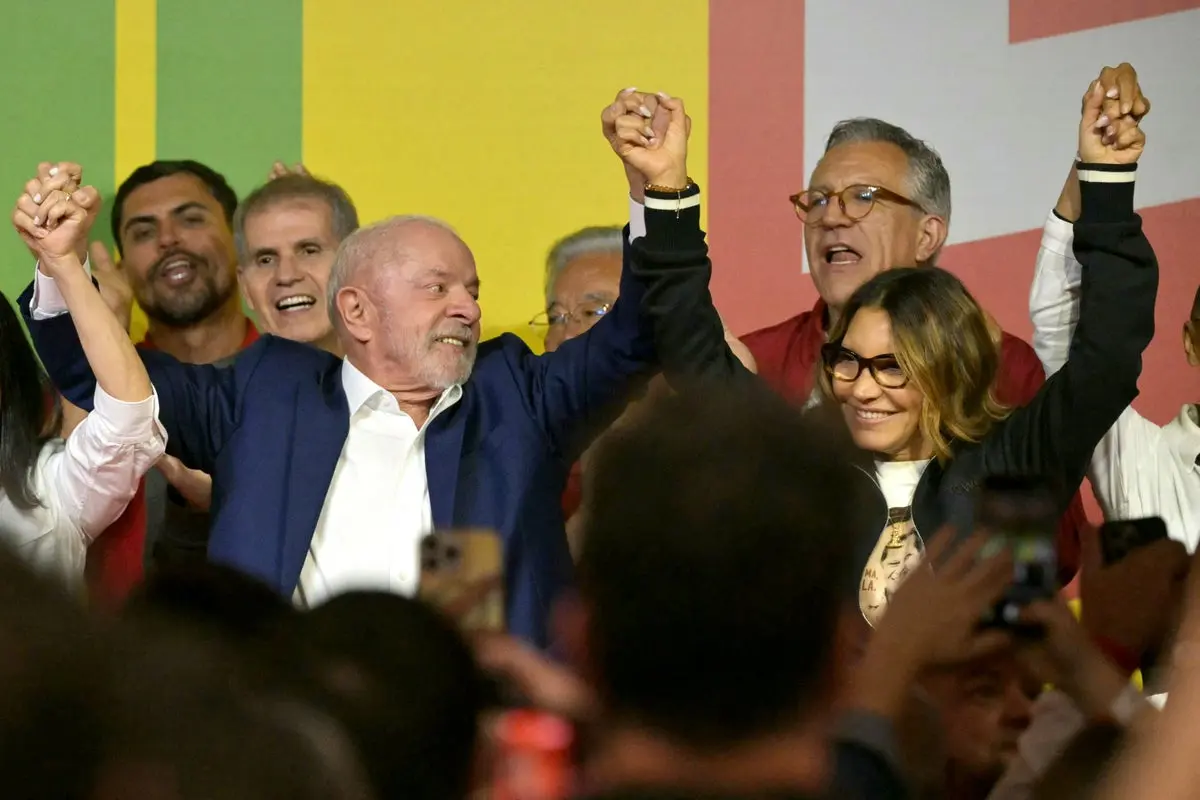 Brazil Headed for Presidential Runoff After Right-Wing Surge
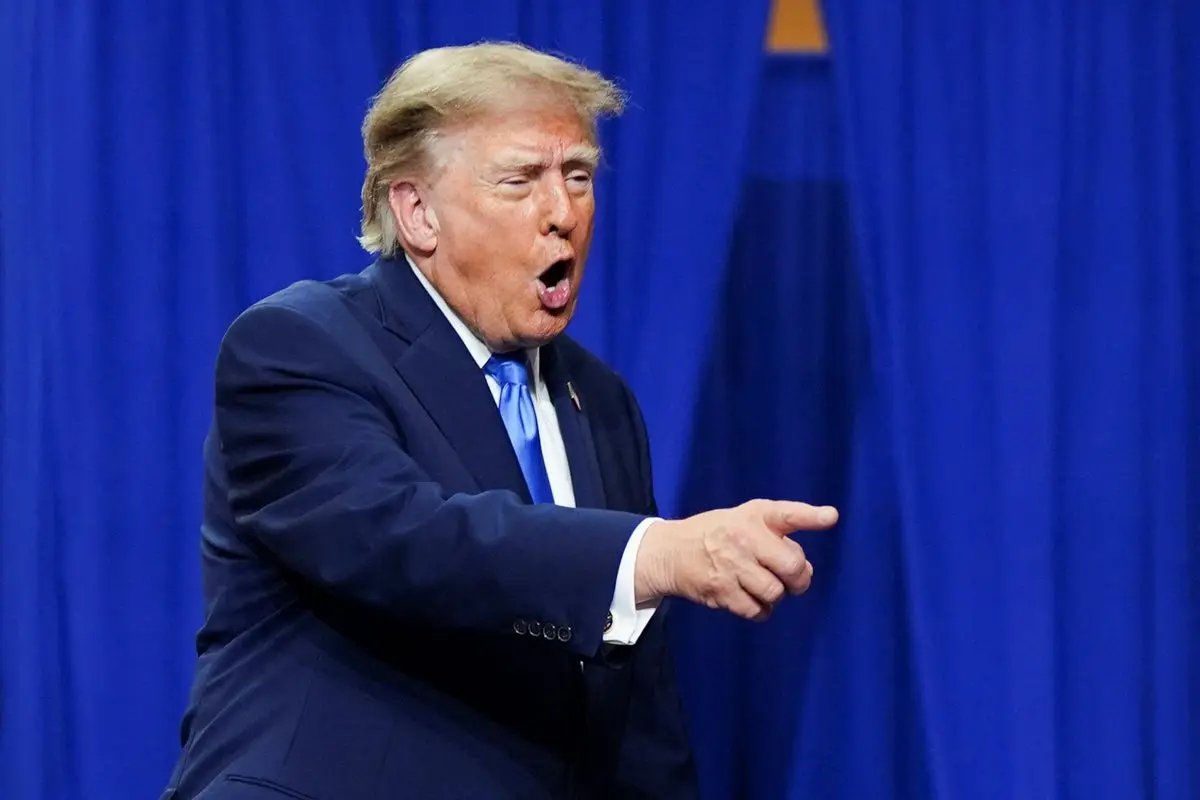 Trump Claims US Voting Is Corrupt Ahead of Midterms
 Thailand Faces Urgent Calls to Reform Strict Royal Defamation Legislation
The government’s ambitious housing package aimed to address soaring costs and limited availability for citizens across Spain. However, opposition parties and key parliamentary allies blocked the proposal, leaving the Prime Minister without a path forward. Sánchez stated that he can no longer govern effectively without a fresh mandate from the Spanish electorate.
The collapse of the housing bill highlights deep divisions within the Spanish government. Rising property prices and rental costs have become a primary concern for voters in major cities. Sánchez argued that his policies were essential for social stability, but critics claimed the measures were insufficient or poorly structured.
Can a New Mandate Resolve the Housing Crisis?
By calling for early elections, the Prime Minister hopes to secure a stronger parliamentary majority. He aims to overcome the current deadlock that has stalled his broader social policy platform. The uncertainty surrounding the housing sector has intensified public pressure on the administration to deliver tangible results quickly.
Political analysts suggest the upcoming campaign will focus heavily on economic security and living standards. The outcome remains uncertain as opposition parties prepare to challenge the government's track record. If Sánchez fails to win a clear majority, Spain could face a prolonged period of political instability and coalition negotiations.
Frequently Asked Questions
The election date will be confirmed in the coming days as political parties begin their campaign preparations. Voters will ultimately decide whether the current government deserves another term or if a change in leadership is necessary. The housing crisis remains the central issue defining this unexpected electoral contest.
Why did the Prime Minister call for early elections? Sánchez decided to hold elections after parliament blocked his key housing relief legislation. He believes a new mandate is necessary to overcome the current legislative gridlock.
What is the main issue driving this political crisis? The primary driver is the ongoing housing crisis, characterized by high costs and limited supply. The government failed to pass reforms intended to alleviate these pressures on citizens.