
Policy Sparks Legal Action
British lawmakers are facing legal challenges. Sudanese asylum seekers are contesting recent changes to immigration policy. The Home Office intends to shorten the permitted stay for refugees. This move impacts those granted humanitarian protection status.
Latest news
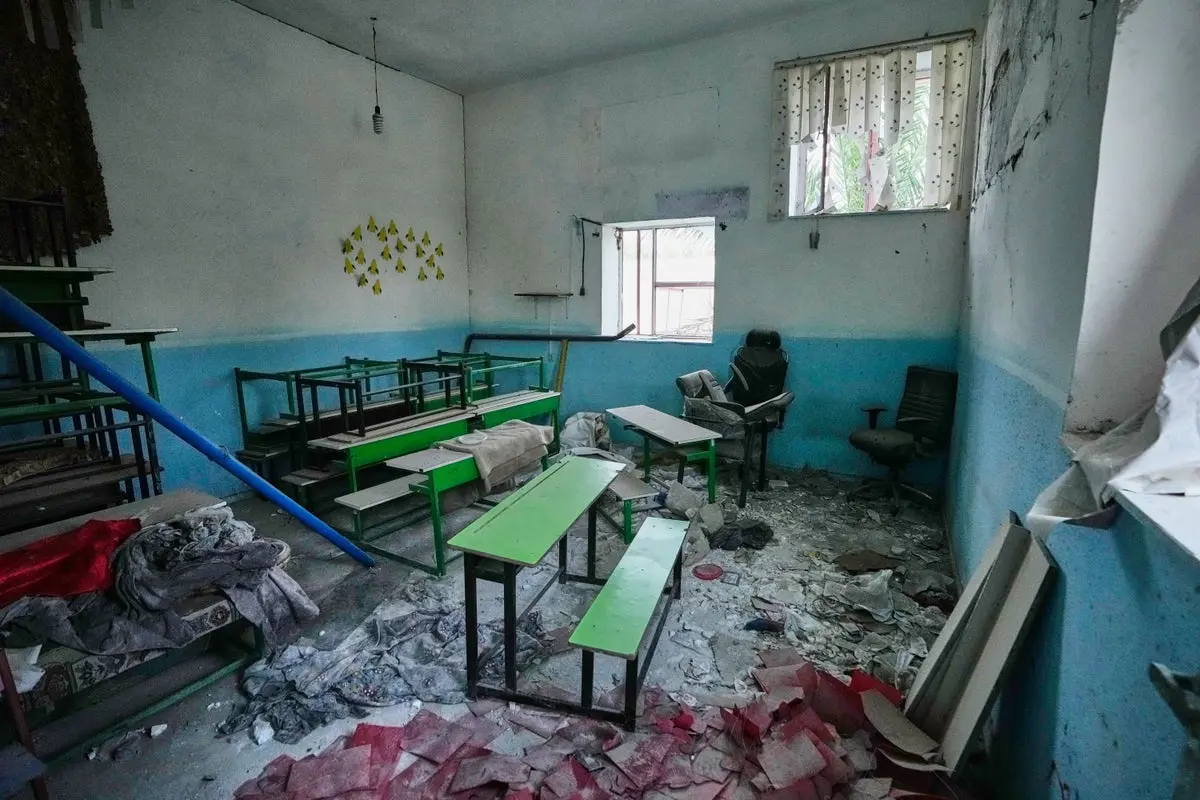 UN Report Accuses US and Iran of Serious Human Rights Violations
 Canada Eyes EU Associate Membership Under Prime Minister Mark Carney
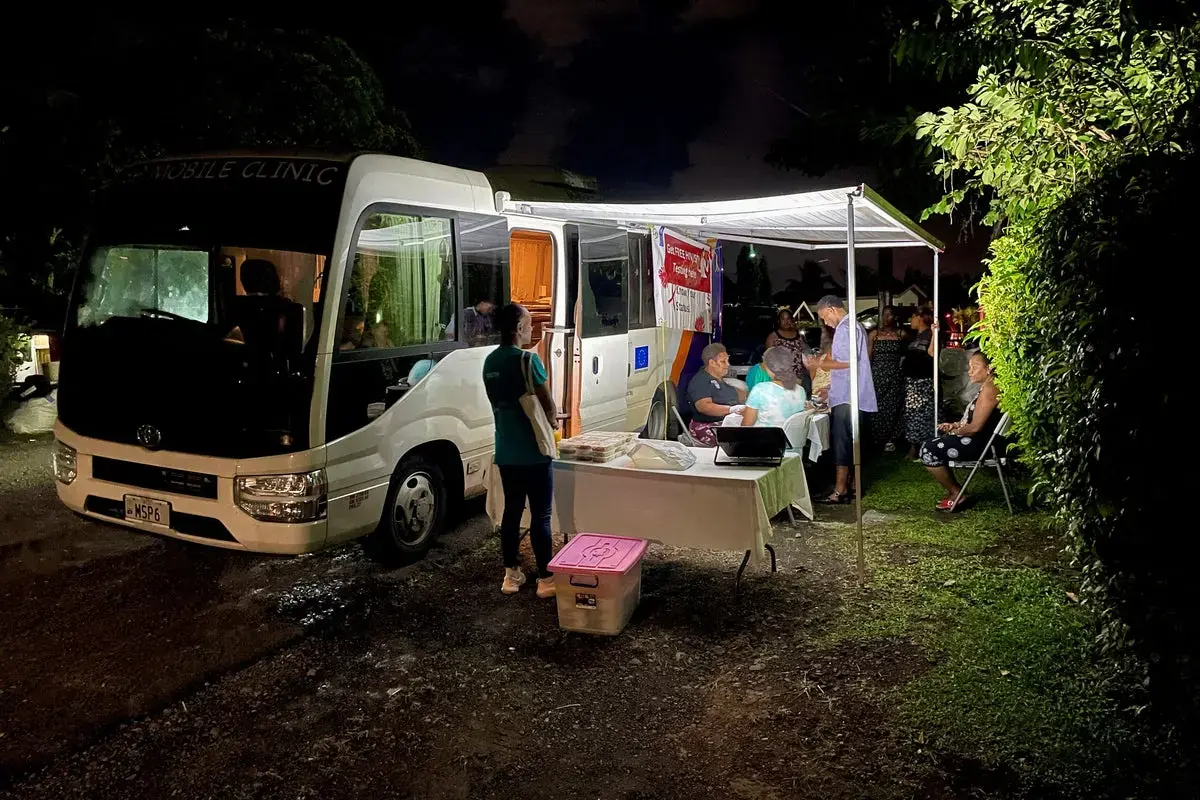 Fiji Declares National Emergency Over Rapid HIV Surge
 Israeli Forces Detain Palestinian Journalist in Ramallah Raid
Shabana Mahmood, a key figure in the debate, proposed reducing the stay from five years to thirty months. She alleges some refugees are actively seeking the most favorable European country. Mahmood suggests they are „shopping” for better living conditions across the continent. This claim fuels concerns about the fairness and rationale behind the new regulations.
The proposed changes are prompting legal challenges from Sudanese asylum seekers. They argue the shortened stay period is insufficient. It limits their ability to rebuild their lives and integrate into British society. Legal representatives claim the policy violates international obligations to protect refugees. They emphasize the vulnerability of Sudanese nationals fleeing conflict and persecution.
Is Integration Truly the Issue?
The Home Office defends the changes as necessary. They aim to deter asylum shopping and manage immigration flows. Officials state the revised rules will allow quicker reviews of refugee status. This will identify individuals no longer needing protection. Critics counter that the policy ignores the genuine hardships faced by asylum seekers. They point to the ongoing instability in Sudan as a key factor driving displacement.
Mahmood’s accusations of „shopping” have drawn criticism. Refugee advocates argue this framing unfairly portrays vulnerable individuals. They state asylum seekers prioritize safety and stability. They don’t simply seek the „most attractive” location. The focus, they say, should be on providing adequate support for integration. This includes access to housing, employment, and education.
Data reveals Sudanese nationals consistently seek refuge in the UK. This is due to historical ties and the English language. However, the number of asylum applications has fluctuated. It’s linked to political instability and conflict within Sudan. The proposed changes could significantly impact these trends. They may discourage Sudanese nationals from seeking protection in the UK.
The consequences of these new rules are far-reaching. Reduced stay periods could lead to increased hardship for refugees. It could also hinder their long-term integration prospects. Legal battles are expected to continue. The outcome will shape the future of asylum policy in the UK. It will also set a precedent for the treatment of refugees from other conflict-ridden nations.
Frequently Asked Questions
What is the main objection to the new policy? Asylum seekers argue the thirty-month stay is too short. It doesn’t allow enough time to establish themselves. They need time to find work, housing, and build a stable life.
Why does the Home Office support these changes? The Home Office believes it will deter „asylum shopping”. They want to streamline the process of reviewing refugee status. This aims to manage immigration levels more effectively.
What is the situation in Sudan driving these asylum claims? Sudan has faced prolonged political instability and armed conflict. This has caused widespread displacement and humanitarian crises. Many Sudanese nationals are legitimately seeking refuge from persecution and violence.