Legal Clarity Restores Confidence in Election Logistics
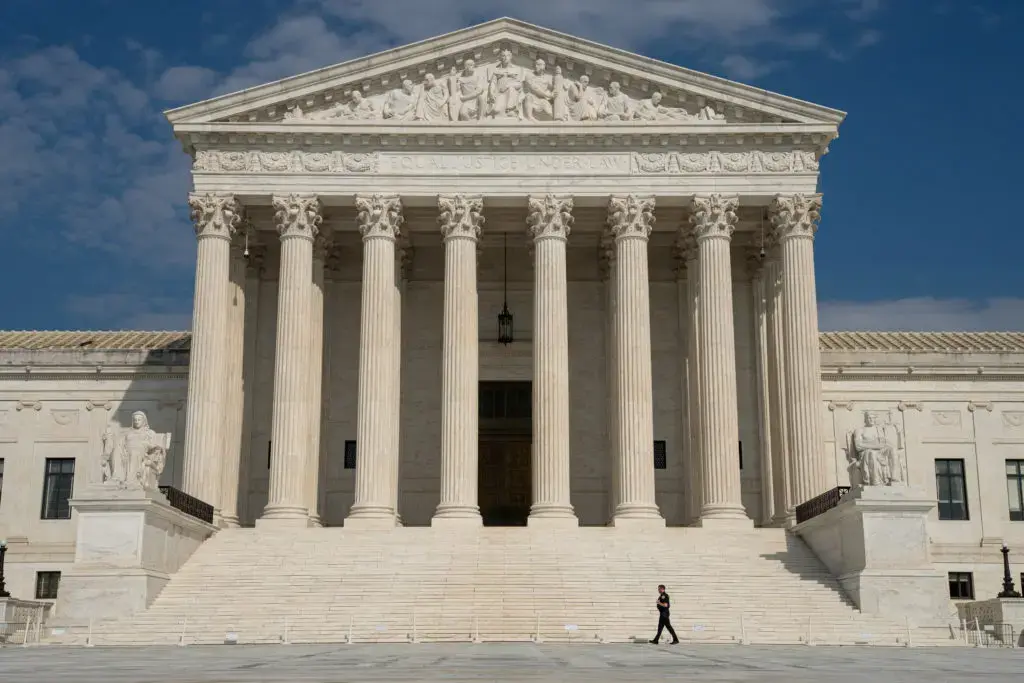
The United States Supreme Court has removed a major legal uncertainty surrounding the upcoming midterm elections. The high court’s decision allows thousands of election offices across the nation to continue sending mail-in ballots to voters as planned. This ruling effectively clears the way for a standard voting process during the critical November contests.
Latest news
 Anthropic Announces $31 Billion Data Centre Deal in Western Queensland
 Veteran Journalist Hugh Riminton Announces Retirement After Nearly Five Decades
 How the 1980s Permanently Shaped America
 Victorian Police Gain Random Stop-and-Search Powers Under New Jacks Law
Election officials had faced significant confusion due to conflicting lower court rulings. The Supreme Court’s intervention provides immediate clarity, enabling state and local agencies to proceed with their established mailing schedules. This move ensures that millions of Americans can participate in the democratic process without facing last-minute logistical hurdles or legal delays.
The decision addresses a growing concern among election administrators who feared potential disruptions. By allowing mail ballots to flow normally, the court mitigates the risk of chaotic changes to voting procedures. This stability is crucial for maintaining public trust in the integrity of the election system. Officials can now focus on operational tasks rather than navigating complex legal battles.
How Does This Affect Voter Participation?
The ruling specifically permits election offices to dispatch ballots to registered voters according to their standard protocols. This includes ensuring that enough time remains for voters to receive, fill out, and return their ballots before the deadline. The court’s action prevents a scenario where sudden legal injunctions could halt the distribution of millions of envelopes.
This legal victory is seen as a boost for voter confidence and participation rates. When voters know that mail options are secure and reliable, they are more likely to use them. The removal of legal clouds reduces anxiety about whether their votes will count if sent by post. Consequently, election turnout may see a positive shift as barriers to participation decrease.
Frequently Asked Questions
The court’s stance supports the broader goal of accessible voting. It acknowledges the practical necessity of mail ballots, especially for voters who cannot easily visit polling stations. By upholding this method, the judiciary reinforces its role in facilitating a smooth electoral transition.
Will all states be able to send mail ballots immediately? Yes, the ruling allows thousands of election offices nationwide to resume or continue sending mail ballots. This applies broadly to jurisdictions that were previously held up by legal challenges regarding the timing or method of distribution.
Does this change how voters cast their ballots? No, the fundamental process for voters remains unchanged. They will still receive ballots by mail, complete them, and return them through designated channels. The decision primarily affects the administrative side, giving officials the green light to proceed without fear of new lawsuits halting the process.