
How Did the Ruling Affect Voter Access in Key Battleground States?
The Supreme Court has denied a request to restrict mail-in voting procedures ahead of the 2026 midterm elections, allowing states to continue using established processes for distributing and counting ballots. The decision came in response to a challenge filed by former President Donald Trump, who argued that certain state mail ballot practices were unconstitutional and prone to fraud. The ruling, issued without comment, upholds lower court decisions that found no legal basis for overturning the current system, which has been in place for years in multiple states including Pennsylvania, where mail ballots were widely used during the May 2026 primary.
Latest news
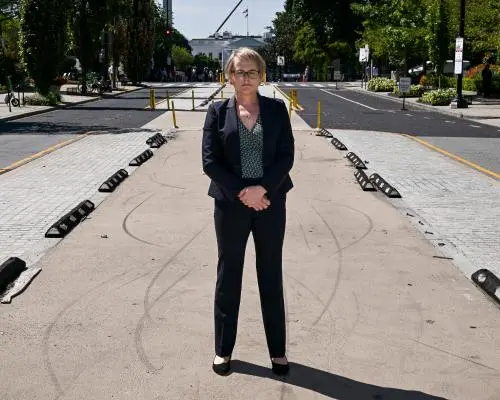 Former CIA Analyst Speaks Out After Being Fired by the Trump Administration
 Women’s Rights Activists Rally in Paris Over Sexual Violence Legislation
 Audit Reveals Critical Flaws in Middle East Medevac Plans
 EU MEP Warns of AI Risks and Calls for Global Treaty Leadership
The Court’s refusal to intervene means that election officials in states like Pennsylvania, Michigan, and Wisconsin can proceed with mailing ballots to voters under the same rules used in recent elections. Trump’s legal team had claimed that expansions of mail voting during the pandemic era created vulnerabilities, but lower courts found no evidence of widespread abuse or illegality. Justice Elena Kagan, joined by two other justices, noted in a concurring opinion that the petition failed to show how the existing procedures violated federal law or the Constitution. The decision reinforces the principle that election administration remains primarily a state responsibility, absent clear federal constitutional violations.
What Are the Implications for Future Election Challenges?
In Pennsylvania, where the primary election on May 19, 2026 saw high mail ballot usage, officials confirmed that the ruling ensures continuity for the upcoming general election. County election directors reported no disruption in ballot printing or mailing schedules following the Court’s decision. Voters who rely on mail ballots—including seniors, military personnel overseas, and those with disabilities—will continue to receive ballots under the same timelines and verification procedures used since 2020. State Secretary of the Commonwealth Al Schmidt emphasized that the ruling protects the right to vote for millions who depend on mail-in options, particularly in rural areas with limited polling places.
Legal experts say the Court’s silence on the matter signals reluctance to intervene in state election policies without clear constitutional violations, potentially discouraging similar challenges in future cycles. While Trump’s campaign has not ruled out further legal actions, analysts note that repeated losses in lower courts and now at the Supreme Court weaken the legal foundation of such claims. The decision may encourage other states to maintain or expand mail voting access, knowing that federal courts are unlikely to overturn longstanding practices absent compelling evidence of harm. Meanwhile, election administrators are preparing for higher mail ballot volumes, citing sustained voter preference for the method since its expanded use during recent elections.
Frequently Asked Questions
Did the Supreme Court rule on the merits of the mail ballot case? No, the Court denied the request to hear the case without issuing a ruling on the substance of the claims, leaving the lower court decisions in place.
Which states were directly affected by the decision? The ruling impacts states where Trump’s challenge was filed, including Pennsylvania, Michigan, and Wisconsin, though its Will mail ballot procedures change for the 2026 general election? No, states will continue using the same mail ballot processes that have been in place for several years, as the Court’s decision prevents any immediate alterations.