
Strategic Stalling as a Political Tool
Iran is actively attempting to damage the political standing of the United States administration by keeping the country entangled in regional tensions. By stalling diplomatic discussions and maintaining a state of friction, Tehran hopes to weaken the president’s influence ahead of critical midterm elections. This strategy marks a shift in long-standing hostilities.
Latest news
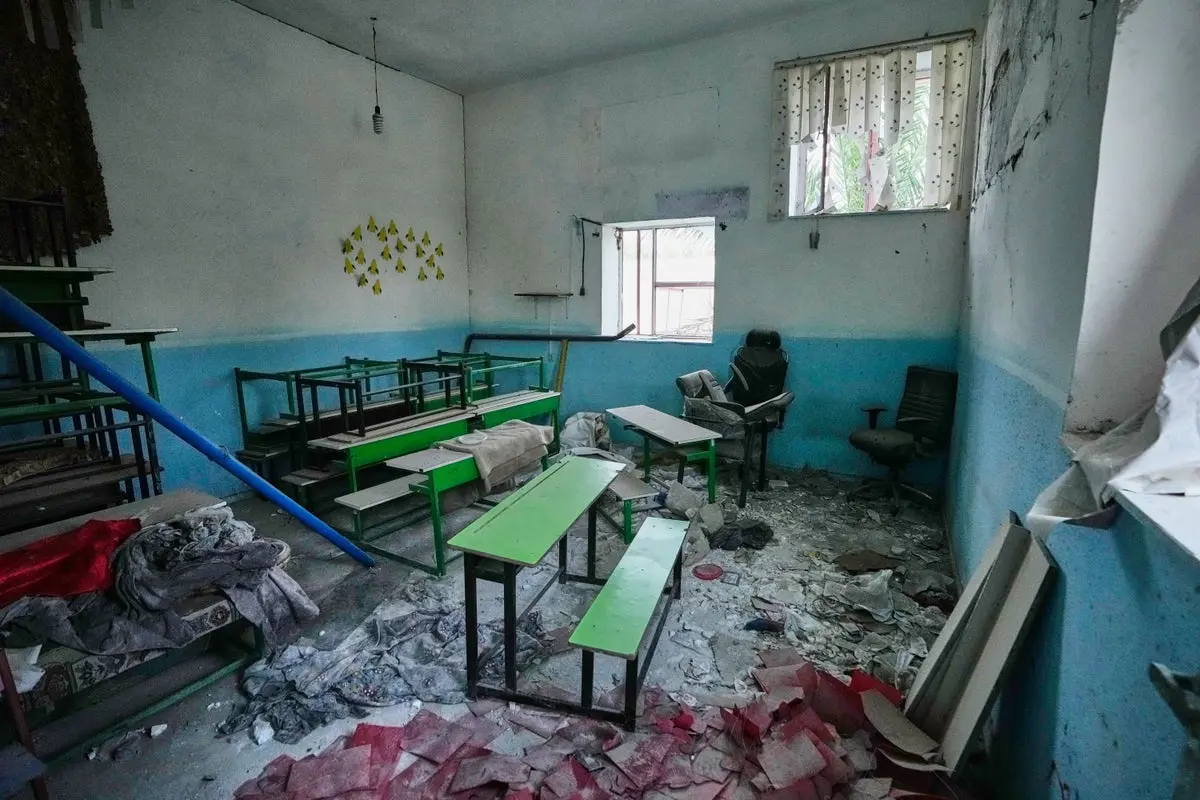 UN Report Accuses US and Iran of Serious Human Rights Violations
 Canada Eyes EU Associate Membership Under Prime Minister Mark Carney
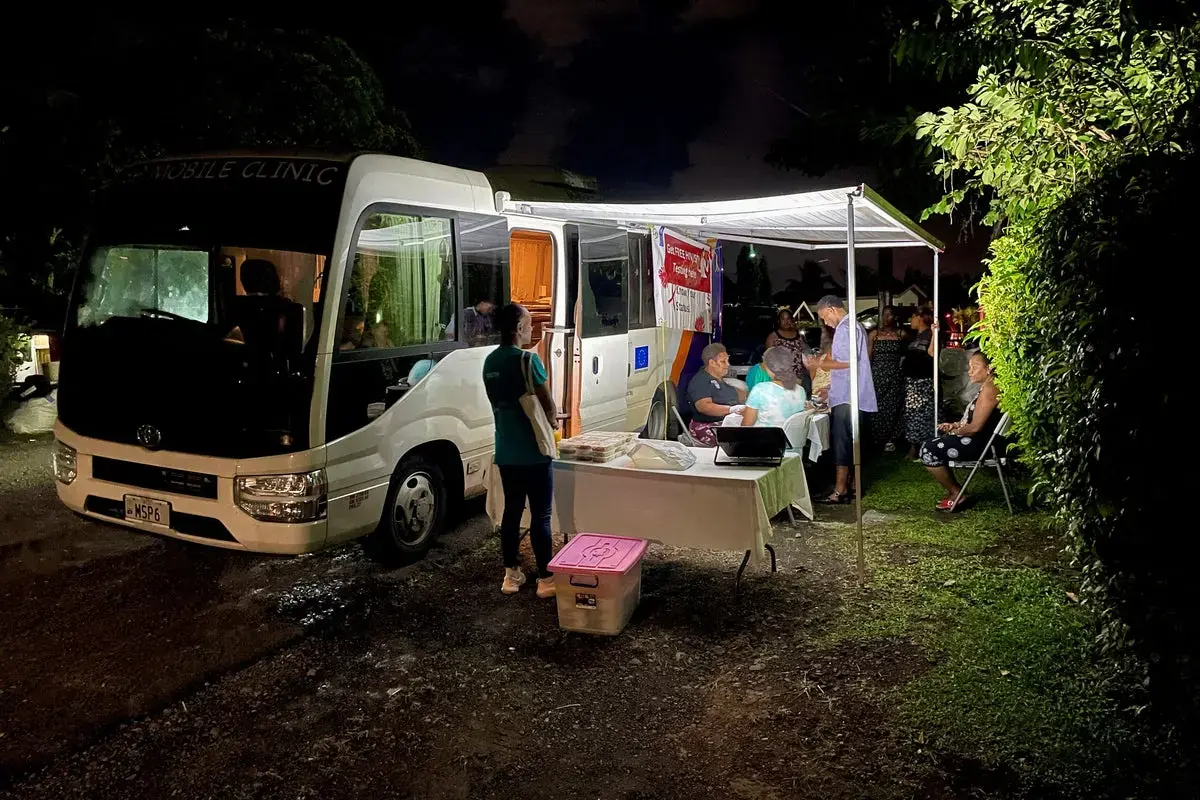 Fiji Declares National Emergency Over Rapid HIV Surge
 Israeli Forces Detain Palestinian Journalist in Ramallah Raid
The deep-seated mistrust between the two nations dates back to the 1979 Islamic Revolution. However, current Iranian leadership has centered its animosity directly on the current American president. Officials in Tehran believe that prolonging military and diplomatic instability will erode domestic support for the White House. They view this as a way to leverage internal American political divisions to their advantage.
Tehran’s approach relies on the assumption that an unresolved crisis will burden the current administration. By refusing to engage in meaningful negotiations, Iran forces the U. S. to remain preoccupied with Middle Eastern security concerns. This constant state of alert prevents the White House from focusing on other domestic priorities.
Will This Gamble Backfire on Tehran?
Analysts suggest that this calculated delay is designed to frustrate American voters who prefer a swift resolution to foreign conflicts. By keeping the situation volatile, Iran aims to portray the current U. S. leadership as ineffective or overextended. This tactic is intended to influence public opinion during the lead-up to the midterms.
While the Iranian government seeks to undermine the president, the plan carries significant risks. Escalating tensions could lead to stricter sanctions or a more aggressive military posture from Washington. Some observers argue that Tehran may be miscalculating the resilience of the American political system.
Frequently Asked Questions
Furthermore, the domestic economic impact of these tensions on Iran itself remains a major concern. If the strategy fails to yield the desired political outcome in the U. S., Tehran may find itself in a weaker position. The long-term consequences of this confrontation could lead to further isolation for the Iranian regime.
What is Iran’s primary goal in prolonging the conflict? Tehran aims to weaken the president’s political standing by keeping the U. S. entangled in regional instability. They hope this will negatively impact the administration's performance in upcoming midterm elections.
Why has the focus of the conflict shifted recently? While historical tensions have existed for decades, the current Iranian leadership has made the conflict personal. They are specifically targeting the current president to create domestic political friction within the United States.