The Race for Resources: A New Geopolitical Landscape
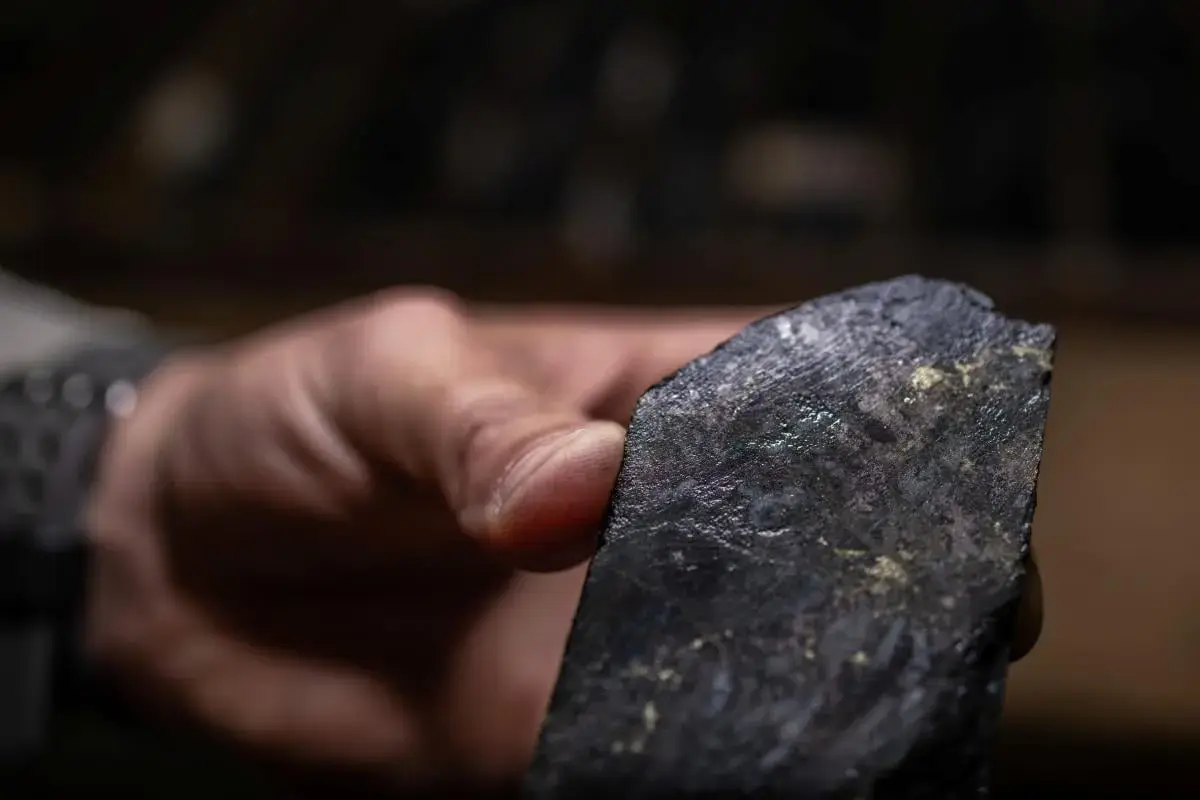
In the spring of 2024, cobalt mining operations commenced in Salmon, Idaho, highlighting the growing significance of critical minerals in global geopolitics. As nations scramble to secure access to these essential resources, the dynamics of power and influence are shifting dramatically.
Latest news
 Houthi Rebels Issue New Threats Against Saudi Military Infrastructure
 Houthi Rebels Seize Strategic Hanish Islands in Red Sea
 Global Markets Stumble as AI Leaders Call for Development Slowdown
 AI Takes Control of Clinical Eye Screenings in China
Critical minerals, such as cobalt, lithium, and rare earth elements, are vital for modern technologies, from electric vehicles to renewable energy systems. Their increasing demand has led to intense competition among countries, particularly between the United States and China. This competition is reshaping alliances and sparking tensions, as nations recognize that control over these resources can dictate economic and political power.
Countries are realizing that access to critical minerals is not just an economic necessity but a strategic imperative. As the world transitions to greener technologies, the demand for these minerals is expected to skyrocket. For instance, cobalt is essential for lithium-ion batteries, which power electric cars. With the automotive industry moving towards electrification, securing a stable supply of cobalt has become vital for both manufacturers and governments.
Can the West Compete in the Global Mineral Market?
China currently dominates the supply chain for many critical minerals, holding significant control over processing and production. This dominance poses a challenge for Western nations, which are now seeking to diversify their sources and reduce reliance on Chinese imports. The push for self-sufficiency has led to increased investments in domestic mining projects and partnerships with resource-rich countries.
As the global demand for critical minerals grows, the question arises: can Western nations effectively compete against China? The U. S. and its allies are ramping up efforts to establish their own supply chains. Initiatives are underway to explore and develop mineral resources within their borders. However, the transition will require substantial investment and time.
Moreover, geopolitical tensions could influence the stability of supply chains. Countries rich in these minerals may find themselves at the center of international disputes. The race for resources could lead to conflicts, as nations vie for control over critical mineral deposits.
The consequences of this scramble for resources are profound. Nations that can secure access to critical minerals will enhance their geopolitical standing, while those that fail to do so may find themselves at a disadvantage. As the world becomes increasingly dependent on these essential resources, the landscape of international relations will continue to evolve.
Frequently Asked Questions
What are critical minerals? Critical minerals are essential raw materials used in various technologies, including batteries, electronics, and renewable energy systems. Their scarcity and strategic importance make them vital for national security.
Why is the competition for these minerals intensifying? The shift towards renewable energy and electric vehicles has significantly increased the demand for critical minerals. Nations are racing to secure supplies to support their economic and technological advancements.
What impact could this have on global relations? The competition for critical minerals may lead to new alliances and tensions among nations. Countries with abundant mineral resources could gain leverage, while others may struggle to secure their needs.