
How Does One Nation Mirror Global Populist Movements?
A new four-part podcast series titled The Populist has debuted, focusing on the growing influence of Pauline Hanson’s One Nation party across Australia. Senior correspondent Sarah Martin leads the investigation, tracing how the party has adopted tactics from the global populist right, including rhetoric reminiscent of former U. S. President Donald Trump. The series launched this morning and aims to unpack who the party truly represents and what its rise means for Australian politics.
Latest news
 Why My Kyiv Visit Worried Me So Much
 FBI Director Kash Patel to Testify Before Senate Judiciary Committee on Oversight Matters
 Hochul’s how-to guide to stopping ICE
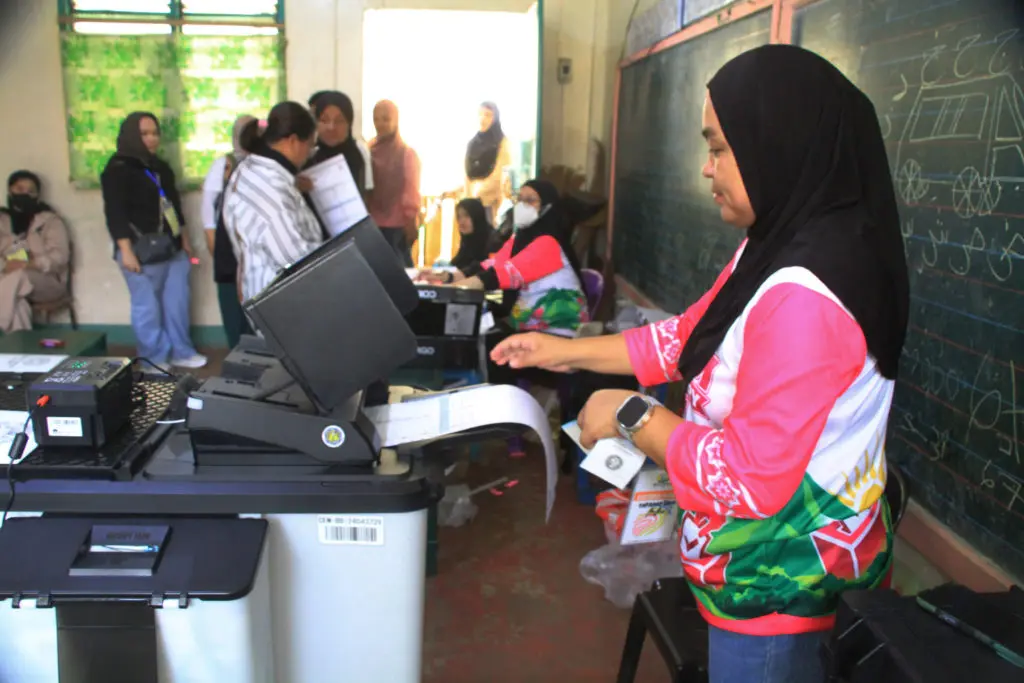 First Parliamentary Vote Marks End of Decades‑Long Conflict in Muslim Philippines
The podcast delves into One Nation’s internal operations, revealing insights from Martin’s on-the-ground reporting. It examines how the party has adapted international populist strategies to the Australian context, particularly in its messaging around immigration, national sovereignty, and distrust of established institutions. Martin’s work includes interviews with party members, analysts, and voters to understand the appeal behind One Nation’s platform. The series also touches on broader concerns, such as scrutiny over Australia’s military exports and the increasing cost of international travel, including trips to Japan.
What Are the Implications for Australia’s Foreign Policy?
Martin’s reporting highlights clear parallels between One Nation and other right-wing populist groups worldwide. She notes the party’s use of direct, confrontational language and its framing of political opponents as elitist or out of touch. These tactics, she argues, are not accidental but part of a deliberate strategy to mobilize support by amplifying cultural anxieties. The podcast explores whether this approach is resonating beyond One Nation’s traditional base and influencing mainstream political discourse.
One Nation’s stance on foreign affairs, particularly its criticism of military alliances and export policies, raises questions about Australia’s international role. The podcast examines how the party’s skepticism toward defense deals and overseas engagements could affect national security decisions. Martin questions whether growing support for such views might pressure major parties to reconsider their foreign policy positions, especially amid rising regional tensions and debates over arms sales to conflict zones.
What is the main focus of The Populist podcast? The podcast investigates the inner workings and political impact of Pauline Hanson’s One Nation party in Australia, analyzing its use of populist tactics imported from global movements.
Frequently Asked Questions
How does One Nation compare to other populist parties? The series identifies similarities in rhetoric and strategy, particularly the use of anti-establishment messaging and Trump-style political attacks, adapted to Australian political and social contexts.
Why is the podcast examining military exports and Japan travel costs? These topics are presented as part of the broader political environment in which One Nation operates, reflecting public concerns about national sovereignty, economic pressures, and foreign policy that the party seeks to address.