The Case for a Strategic Retreat
A recent analysis suggests that the ongoing conflict with Iran should prompt a significant shift in American foreign policy. Experts argue that the time has come for the U. S. to withdraw its military presence from the Middle East. This strategic re-evaluation is seen as long overdue, given the persistent instability in the region.
Latest news
 Swedish Voters Choose New Parliament as Left-Wing Coalition Projects to Win Majority
 Trump Announces End of US Tariff on Irish Whisky
 Frances Stonor Saunders, Author of CIA Cultural Espionage Exposé, Dies at 66
 Israel and Lebanon to Hold Security Talks in Rome This October
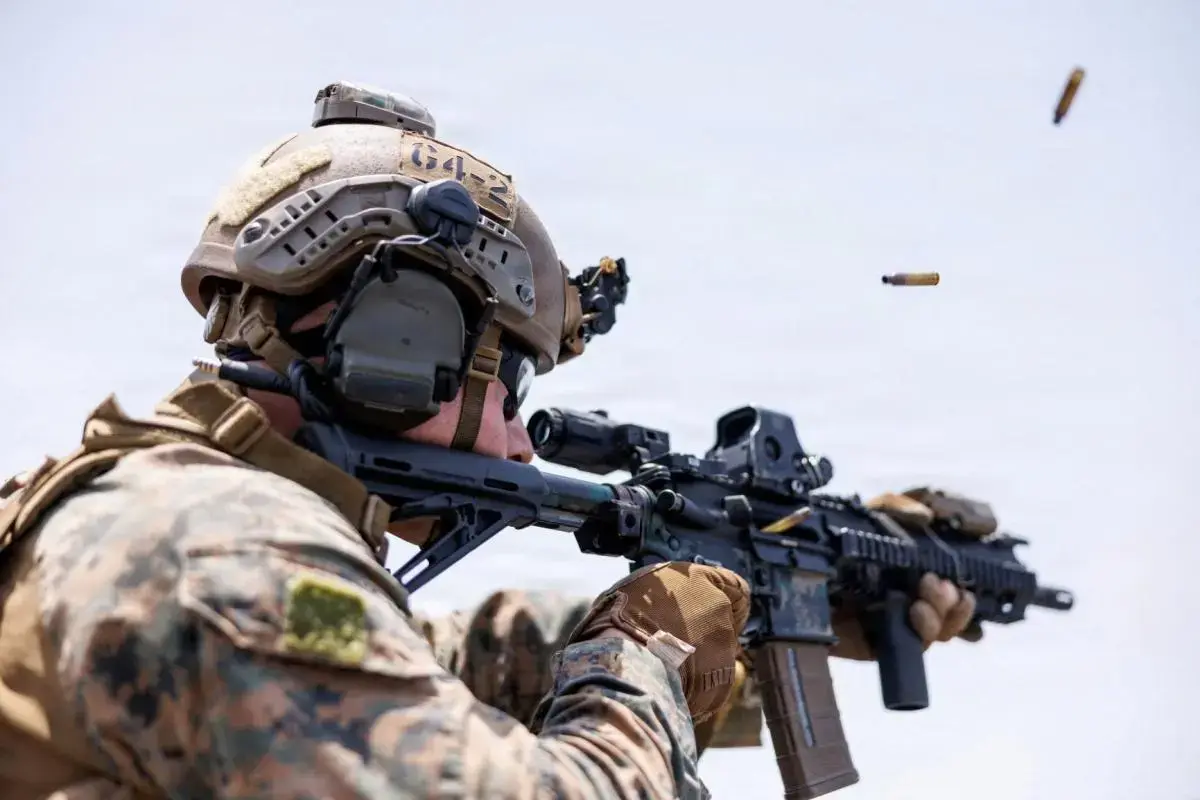
The current military engagement, exemplified by operations like „Epic Fury,”highlights the continued commitment of American forces. However, critics contend that these interventions have not yielded lasting peace or stability. Instead, they have often exacerbated existing tensions and led to prolonged conflicts.
For decades, the United States has maintained a substantial military footprint in the Middle East. This presence was initially justified by various geopolitical concerns, including oil security and counter-terrorism efforts. However, the region remains volatile, and American involvement is increasingly questioned. The failed war in Iran serves as a stark reminder of the limitations of military solutions. It underscores the need for a different approach to regional challenges.
What Are the Risks of Continued Involvement?
The human and financial costs of sustained military operations are immense. Resources could be reallocated to domestic priorities or other global challenges. A withdrawal would allow regional powers to take greater responsibility for their own security.
Continued military engagement in the Middle East carries significant risks. It can entangle the U. S. in complex local disputes with no clear end in sight. There is also the constant threat of escalation, potentially drawing America into larger, more devastating conflicts. Furthermore, a persistent military presence can foster resentment among local populations. This can inadvertently fuel anti-American sentiment and extremist ideologies.
The current situation demands a fresh perspective. Disengagement could foster a new era of regional diplomacy and self-reliance. It would allow the U. S. to focus on its own national interests and global challenges elsewhere.
Frequently Asked Questions
What is the main argument for U. S. withdrawal from the Middle East? The primary argument is that prolonged military intervention has been ineffective and costly, failing to bring stability. The recent conflict with Iran further emphasizes the need for a new approach.
How would a U. S. withdrawal impact regional security? A U. S. withdrawal could lead to increased responsibility for regional powers in managing their own security. It might also encourage new diplomatic solutions among Middle Eastern nations.
What are the potential benefits for the United States if it withdraws? The United States could save significant financial and human resources. It would also be able to reallocate its focus and resources to domestic issues and other pressing global priorities.