From Energy Security to Strategic Realignment
A senior US diplomat described America's evolving Middle East policy as akin to guiding a teenager through major changes, speaking about the end of traditional security-for-oil arrangements with Gulf nations.
Latest news
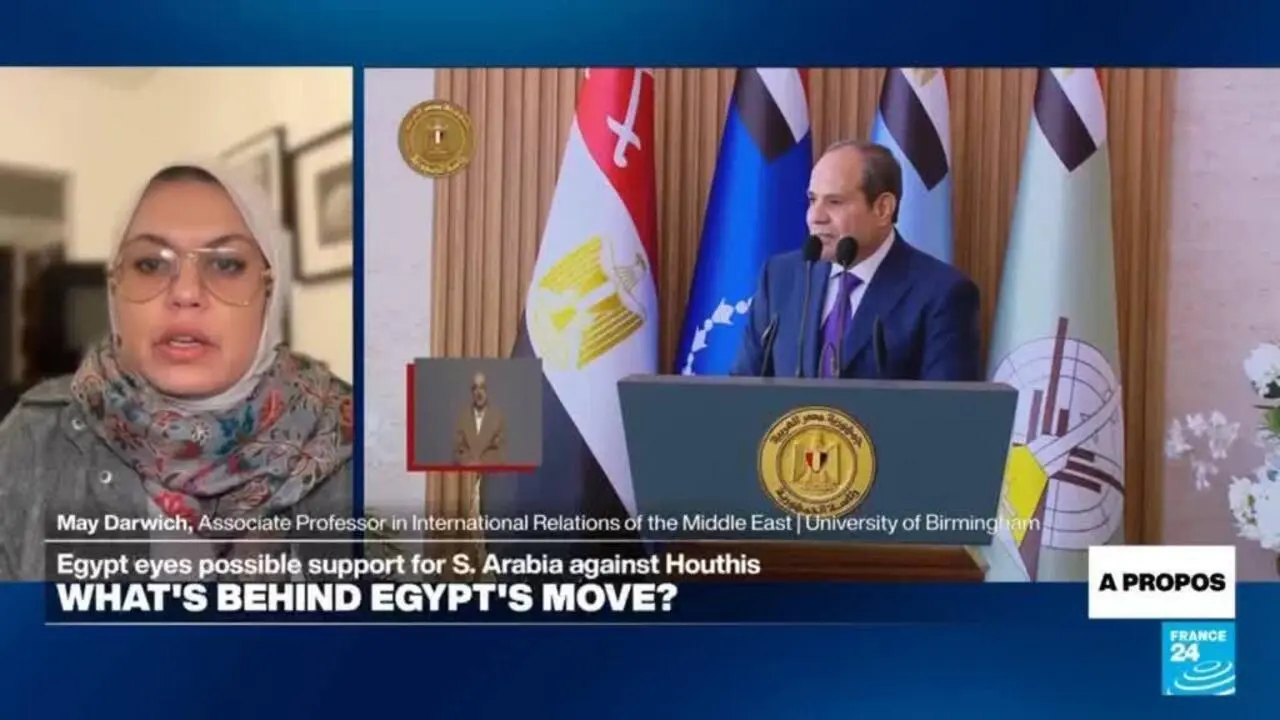 Expert warns Egypt's Yemen involvement could undermine Cairo's regional influence
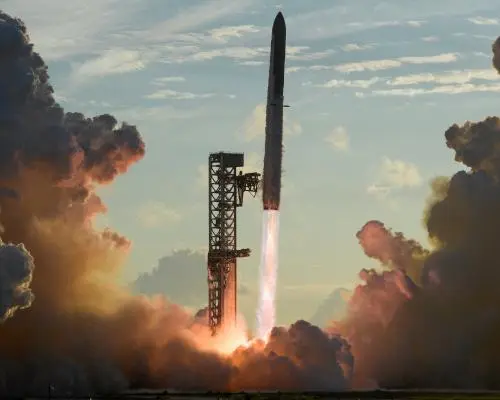 SpaceX Reports Record Revenue Surge as Starlink and AI Drive Growth
 France Imposes Local Curfews in Several Cities Following Monday Protests
 Pete Hegseth Confirms Visit to Israel and Meeting With Netanyahu
The longtime ambassador and close advisor to President Donald Trump explained that Washington is moving away from its decades-old grand bargainwith Arabian Gulf states, where American military protection was exchanged for stable oil supplies. This represents one of the most significant foreign policy pivots in recent memory.
The traditional partnership between the United States and Gulf Cooperation Council nations centered on mutual benefits: American security guarantees protected oil-rich monarchies from regional threats, while steady energy exports fueled American economic growth. However, changing global energy markets and emerging geopolitical challenges have prompted Washington to reconsider this arrangement.
America's role in the region is transforming fundamentally,the ambassador noted. We're not abandoning our allies, but we're adapting to new realities on the ground and in energy markets. The shift reflects several converging factors. US energy independence through domestic production has reduced reliance on Gulf oil imports. Meanwhile, rising tensions between Iran and Saudi Arabia, ongoing conflicts in Yemen and Syria, and China's growing economic presence in the region have created new strategic calculations for American policymakers.
What Does This Mean for Regional Stability?
The transition away from automatic security commitments could reshape military cooperation agreements throughout the Persian Gulf. Traditional defense contracts and joint training exercises may need renegotiation as Washington seeks more reciprocal partnerships rather than one-sided protection arrangements.
Regional leaders have responded with cautious optimism mixed with concern about reduced American engagement. Some Gulf officials worry that decreased US military presence might create power vacuums that could destabilize the region further.
American defense analysts suggest this realignment could lead to more balanced relationships where all parties contribute to mutual security rather than relying on historical obligations. The change also aligns with broader presidential directives emphasizing America-first policies in international relations.
Frequently Asked Questions
The coming months will test whether this new approach strengthens or strains diplomatic ties across the Middle East, as both sides navigate uncharted territory in their partnership.
What specific changes are happening in US-Gulf relations? The United States is transitioning from automatic security guarantees tied to oil exports toward more flexible, mutually beneficial partnerships that reflect current energy independence and shifting regional priorities.
How are Gulf nations responding to this policy shift? Regional leaders express measured concern about reduced American military presence while simultaneously seeking diversified partnerships with other global powers, including China and European nations.
What timeline should be expected for these changes? Experts anticipate gradual implementation over several years, with immediate adjustments to military cooperation agreements and longer-term renegotiations of economic and security partnerships throughout the region.