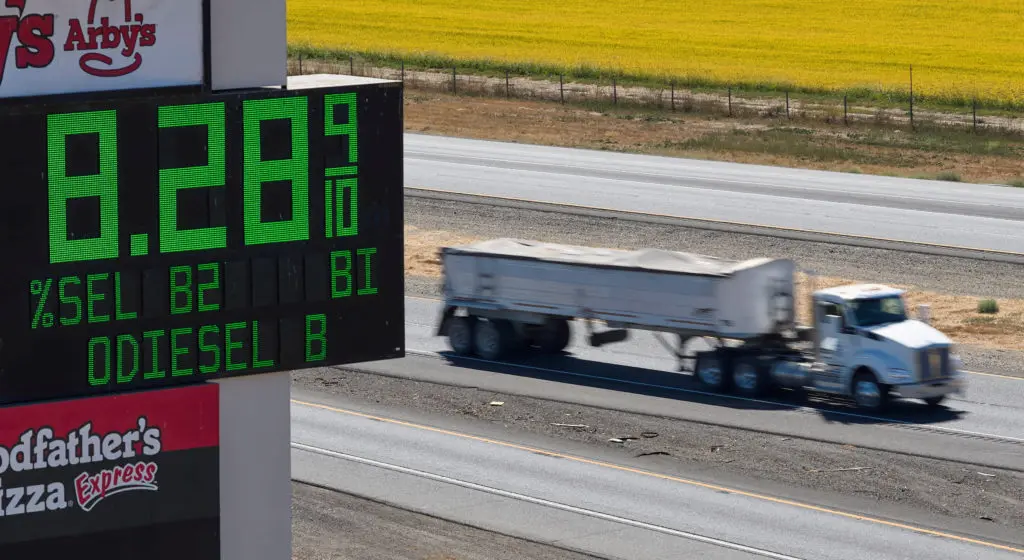
Energy Security Concerns Drive Policy Shift
President Donald Trump announced a new agreement to purchase diesel fuel from Russia, marking a significant departure from previous U. S. sanctions policy. The deal was revealed during a campaign rally in Ohio on October 28, just weeks before the November midterm elections. Trump stated the arrangement would help lower energy costs for American consumers and businesses facing high fuel prices.
Latest news
 Iranian Leadership Condemns Rubio's Historic Athens Speech
 The FBI Pressures Iranian-American Scholar
 Trump Slams Nobel Peace Prize Snub With Eight-War Claim
 Silicon Valley Tech Leaders Welcome Light-Touch Approach
The announcement represents a sharp reversal from the Trump administration’s earlier stance, which included imposing sanctions on Russian energy exports following Russia’s invasion of Ukraine in 2022. Those sanctions had restricted U. S. companies from buying Russian oil and diesel. Trump said the new deal was negotiated directly with Russian President Vladimir Putin and would involve limited volumes of diesel for domestic use, emphasizing it would not undermine broader sanctions on Russian crude oil.
Trump framed the deal as a pragmatic response to domestic energy pressures, citing rising diesel costs that have affected trucking, agriculture, and manufacturing sectors. He argued that securing fuel from Russia would ease inflationary pressures without requiring new domestic production. Critics, however, warned the move could weaken international efforts to isolate Russia economically and send mixed signals to allies supporting Ukraine.
How Will This Affect U. S. Relations With Allies?
White House officials later clarified that the agreement does not lift existing sanctions on Russian energy exports but creates a narrow exception for diesel imports under specific conditions. The Department of Treasury said it is reviewing the arrangement to ensure compliance with existing executive orders. No details were provided on the volume, pricing, or timeline for the diesel shipments.
European nations, which have reduced their reliance on Russian energy since the war began, expressed concern over the announcement. German and Polish officials noted that any U. S. exception could encourage other countries to seek similar waivers, potentially undermining the unity of sanctions. NATO diplomats said they are seeking clarification from the Biden administration, which has maintained a firm stance on restricting Russian energy revenue.
The timing of the announcement, so close to the midterms, has led political analysts to suggest the move is aimed at appealing to voters in industrial states where fuel costs are a key issue. Trump’s campaign has repeatedly blamed rising energy prices on current administration policies, despite global market factors playing a major role.
Frequently Asked Questions
What does the deal involve? The agreement allows for limited imports of Russian diesel fuel into the United States under a specific exception to existing sanctions, though exact volumes and terms have not been disclosed.
Does this lift sanctions on Russian oil? No, the deal does not affect sanctions on Russian crude oil or other petroleum products, which remain in place as part of the broader response to Russia’s actions in Ukraine.
Why is this happening now? Trump presented the deal as a response to high domestic fuel costs ahead of the midterm elections, arguing it would help reduce expenses for consumers and businesses without ending sanctions policy.