
Why Terminology Shifts Matter in Tech Policy
President Donald Trump is urging international heads of state and domestic government bodies to formally rebrand artificial intelligence as „superintelligence.”This move seeks to shift the official terminology used in policy discussions and regulatory frameworks. The initiative aims to standardize how advanced computing systems are described across borders. By changing the name, the administration hopes to clarify the scope of current technological capabilities. This effort targets both private sector partners and public institutions involved in AI development. The goal is to create a unified language for future governance standards.
Latest news
 Luna Wong's death exposes systemic failures in UK student care
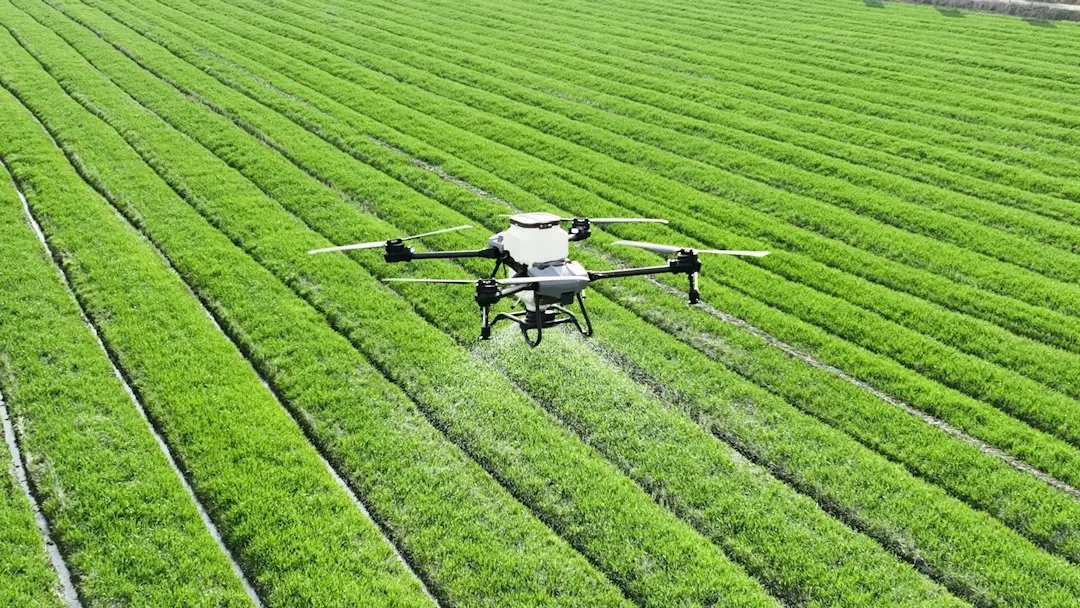 Study Suggests Drones Could Speed Up Defibrillator Delivery for Cardiac Arrest Victims
 How Russia Recruits Belarusians for Ukraine War: Methods and Consequences
 Europe Conducts Real-World War Games Amid Rising Russian Threat Concerns
The term superintelligence carries specific weight within the machine learning community. It generally refers to systems that exceed human cognitive abilities in all domains. This distinction separates it from narrow or general-purpose AI models currently in use. Proponents argue that the new label better reflects the rapid pace of progress. Critics worry it may inflate expectations about current system performance. The debate centers on whether existing tools truly meet this high threshold. Many researchers define the concept based on problem-solving speed and accuracy.
Does the New Name Change Technical Reality?
Language shapes perception in scientific fields. Changing a label can alter public understanding and political urgency. If AI is called superintelligence, it implies a level of autonomy and power. This framing supports arguments for stricter oversight and safety protocols. Some experts fear the term fuels apocalyptic narratives about machine dominance. Others believe it highlights the need for robust testing before deployment. The push for renaming reflects a broader trend in defining emerging technologies. Clear definitions help regulators craft appropriate rules and guidelines.
The core question remains whether the label matches the technology. Current large language models excel at pattern recognition and generation. They do not yet possess independent goals or consciousness. However, their scale and impact are growing rapidly. Some scientists argue we are approaching the threshold of superintelligence. Others maintain a significant gap still exists between current AI and true superhuman cognition. This disagreement influences how fast governments should move. A faster pace might stifle innovation, while a slower one risks safety gaps. The administration’s stance suggests a preference for acknowledging higher capabilities.
The outcome of this naming campaign will influence future legislation. If adopted globally, it sets a precedent for how nations classify top-tier AI systems. Companies may adjust their marketing and reporting strategies accordingly. Investors might react to the perceived risk profile of the sector. Ultimately, the definition determines who bears responsibility when errors occur. As systems grow more complex, clear labels become essential for accountability. The coming months will reveal if this semantic shift gains traction among key allies.
Frequently Asked Questions
What does superintelligence mean in this context? It describes AI systems that surpass human intelligence across most tasks. This includes It is distinct from current specialized AI tools.
Why is the administration pushing this change now? Leaders want to align policy language with perceived technological advancements. The term signals greater urgency for safety measures. It also aims to unify global regulatory approaches.