The „Choir” Strategy: Strengthening the Base or Narrowing the Field?
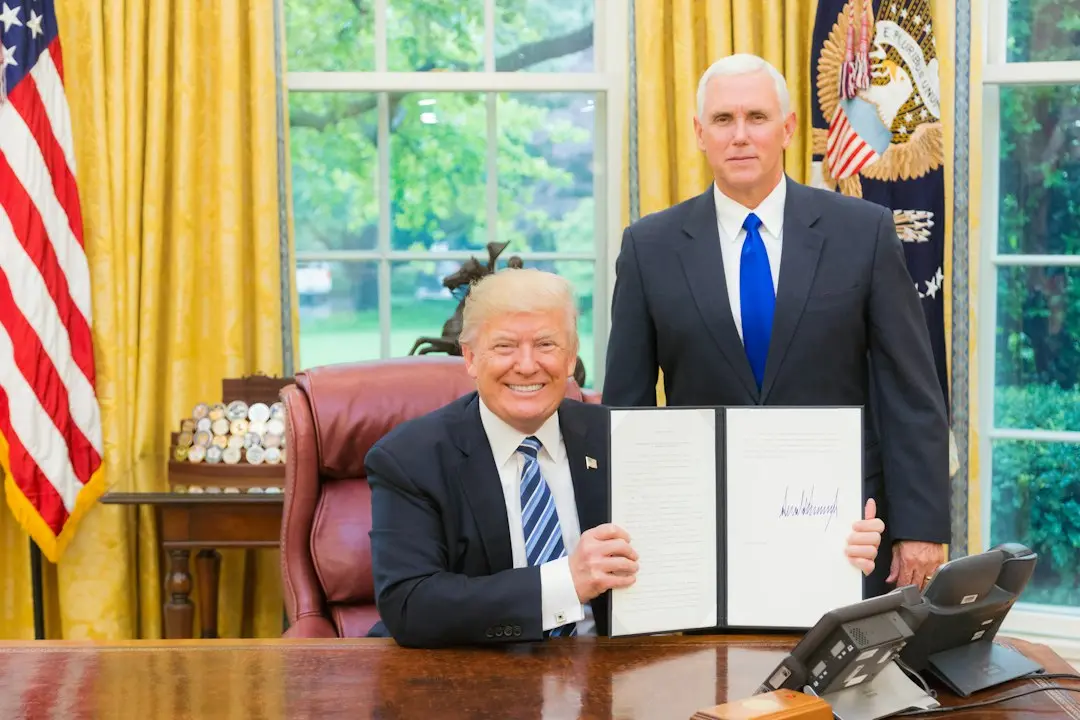
The former president has reemerged on the campaign trail, addressing a devoted audience in several key states as the midterm elections approach. His speeches focus on rallying the Republican base and reinforcing his political agenda. The move comes as the party weighs its strategy for the upcoming elections, with uncertainty over whether this approach will secure victories or backfire.
Latest news
 No Military Fix for US‑Iran Tension, Says Tehran’s Foreign Minister
 Stock Futures Hold Steady as Investors Await Fed Minutes and Higher Yields
 Scientists Identify Brain Region That May Drive High Blood Pressure and Offer New Treatment Pathway
 Macron's Busy Schedule Threatens His Attendance at COP31 and Undermines Paris Agreement Support
Trump’s renewed campaigning highlights the dilemma Republicans face: they risk alienating moderate voters by concentrating on a core group, yet they also risk losing momentum if they fail to broaden their appeal. By preaching to the choir, the former president aims to solidify support among voters who have already pledged allegiance. However, analysts warn that this tactic may not be enough to sway undecided voters, and could even turn some away from the party. The timing of the tour, just weeks before the vote, underscores the urgency felt by the GOP leadership.
Trump’s speeches emphasize familiar themes—economic growth, immigration control, and national security—designed to resonate with his most loyal supporters. He has been touring swing states, where his message is meant to energize turnout. Critics argue that this focus on a narrow demographic could limit the party’s appeal to independents and moderate Republicans who are pivotal in close contests. Supporters contend that a solid, energized base can carry the party forward, especially in districts where turnout is low.
Can a Base‑Focused Campaign Turn the Tide?
Data from recent polling shows that while Trump’s approval among Republican voters remains high, his popularity among independents and Democrats has not improved. This split suggests that a strategy centered solely on the base may leave the GOP vulnerable in competitive districts. The question remains whether the party can convert enthusiasm into votes without alienating broader constituencies.
Is the GOP’s reliance on Trump’s loyalists enough to win the midterms? The answer is uncertain. While the former president’s presence can boost turnout in certain areas, it may also reinforce partisan polarization. The midterm elections feature a mix of open seats and incumbents, and the ability to attract swing voters will be crucial. If the GOP can’t broaden its message beyond the core, it risks losing seats in states where the margin is tight.
The upcoming elections will test whether a base‑centric approach can translate into electoral success. Analysts suggest that the party must balance energizing its core with outreach to undecided voters. Failure to do so could result in a loss of seats and a diminished influence in Congress.
Frequently Asked Questions
What is the main focus of Trump’s recent campaign speeches? He emphasizes economic growth, immigration control, and national security, targeting his loyal Republican base.
Why might the GOP’s strategy backfire? A narrow focus on core supporters could alienate moderate voters and reduce turnout in competitive districts.
What are the implications for the upcoming midterm elections? The party’s success hinges on whether it can convert base enthusiasm into votes while appealing to swing voters; otherwise, it risks losing seats.