Political Calculations Behind Energy Shift
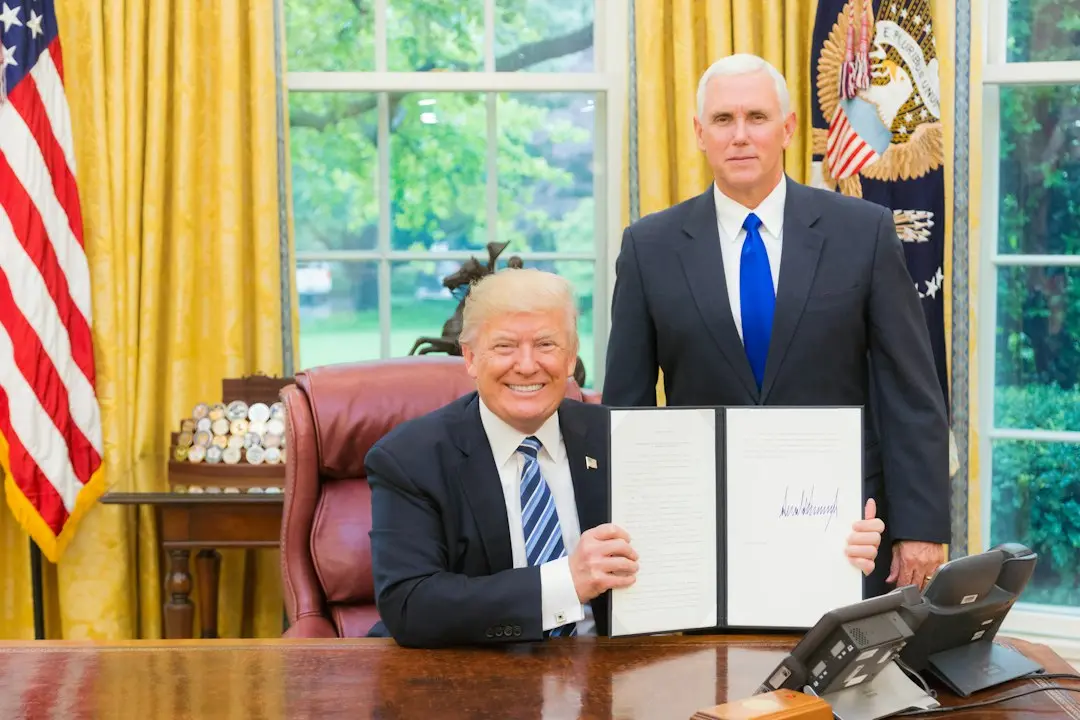
President Donald Trump has authorized the import of Russian fuel into the United States. This decision marks a dramatic reversal in American energy policy. It occurred just weeks after he signed new sanctions legislation. The move has intensified pressure to lower domestic gasoline costs. Republicans face significant voter concerns regarding high energy prices. The administration aims to alleviate economic pain before upcoming midterm elections. This strategic shift highlights the urgent need for affordable fuel.
Latest news
 Iranian Leadership Condemns Rubio's Historic Athens Speech
 The FBI Pressures Iranian-American Scholar
 Trump Slams Nobel Peace Prize Snub With Eight-War Claim
 Silicon Valley Tech Leaders Welcome Light-Touch Approach
The sudden policy change surprises many political analysts. Three weeks prior, Trump signed laws authorizing fresh sanctions against Russia. Now, he permits the purchase of Russian oil products. This contradiction underscores the administration’s pragmatic approach. The primary goal is to reduce retail fuel prices. High costs have become a major issue for voters. The White House believes importing this fuel will stabilize the market. It seeks to counter inflationary trends affecting household budgets. This action directly challenges previous diplomatic stances.
Will Sanctions Lose Their Bite?
The timing of this decision is highly strategic. Midterm elections are approaching, creating intense political pressure. Republican candidates worry about voter dissatisfaction with gas prices. High fuel costs erode support for the administration. Trump’s move attempts to demonstrate tangible economic relief. It signals a willingness to bend rules for domestic benefit. Critics argue this undermines long-term security goals. Supporters view it as a necessary sacrifice. The administration prioritizes immediate economic stability over geopolitical purity. This trade-off reflects a broader shift in policy priorities.
The domestic energy sector reacts with mixed emotions. Industry leaders monitor the market closely. They assess how Russian imports affect local supply chains. Some welcome the potential price drop. Others fear long-term market distortions. The administration insists this is a temporary measure. It aims to bridge gaps in supply availability. This approach seeks to maintain political capital. The focus remains on delivering visible results to voters. Economic advisors emphasize the short-term gains. They downplay potential diplomatic repercussions.
This development raises serious questions about enforcement. How can sanctions remain credible if exemptions exist? Legal experts debate the implications of this loophole. It sets a precedent for future negotiations. Other nations may seek similar waivers. The consistency of American policy comes into question. Diplomatic partners observe these changes closely. They evaluate the reliability of US commitments. This uncertainty complicates international relations. The administration must balance enforcement with economic needs. The tension between security and affordability grows.
Frequently Asked Questions
Why did Trump authorize Russian fuel imports? The administration aims to lower domestic gasoline prices quickly. This move addresses voter concerns ahead of midterm elections. It represents a pragmatic shift in energy policy.
How does this affect previous sanctions? It creates a significant exception to recent sanctions laws. The decision undermines the strict enforcement previously announced. It highlights the priority of economic stability over diplomatic rigidity.