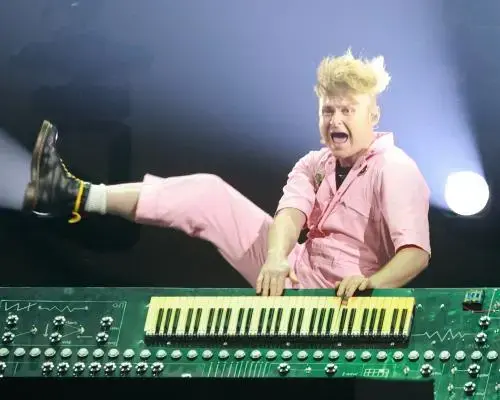
Why Does the UK Keep Sending Weak Acts to Eurovision?
The UK House of Commons’ Digital, Culture, Media and Sport Select Committee has announced plans to investigate why the country’s Eurovision Song Contest entries have consistently underperformed in recent years. The inquiry, part of its 2026-27 work programme, will examine the selection process and outcomes for British acts. Committee chair Dame Caroline Dinenage described recent results as „dismal,” a term she acknowledged is parliamentary language for „shit.” The move follows growing public frustration over the UK’s lack of success in the competition despite significant investment.
Latest news
 Global Diplomacy Prepares for the 2026 UN Leadership Transition
 Donald Trump Proposes Long-Term Security Oversight for Greenland
 Tensions Escalate Between Washington and Tehran During UN General Assembly
 Stock Market Futures Hold Steady Following Strong Monday Rally
The committee’s focus on Eurovision comes amid a broader review of cultural policy and media representation in the UK. Since 2021, the United Kingdom has finished outside the top ten in every Eurovision final, with zero points from the public vote in 2021 and 2023. Critics argue that the current selection method, which combines internal BBC decisions with public voting, fails to reflect contemporary musical tastes or stagecraft standards. Supporters of the inquiry say it could lead to reforms in how the UK chooses its representative, potentially involving industry experts or international consultants.
What Changes Could Improve the UK’s Eurovision Chances?
Dame Caroline Dinenage emphasized that the inquiry is not about assigning blame but understanding systemic issues. „We want to know why, year after year, we send songs that fail to resonate with European audiences,” she said. The committee will hear from music producers, past participants, and broadcasting officials. It will also review how other countries, such as Sweden and Italy, maintain consistent success through structured national selections and long-term artist development. Data from the European Broadcasting Union shows the UK’s average score has declined by over 60 points since 2016.
Possible outcomes include overhauling the selection show, increasing funding for songwriting camps, or adopting a multi-stage public vote similar to Melodifestivalen in Sweden. Some experts suggest the UK should focus on sending established artists rather than emerging ones to boost credibility. Others argue that linguistic and cultural barriers in the song choice limit appeal. The inquiry may also consider whether the timing of the UK’s entry—often released months before the contest—hinders momentum. No decisions will be made before the committee publishes its findings in late 2027.
Frequently Asked Questions
Why has the UK performed poorly in Eurovision recently? The UK has struggled due to perceived weaknesses in song quality, staging, and public appeal, with recent entries failing to connect with international juries and viewers.
Could this inquiry lead to a new way of selecting the UK’s Eurovision entry? Yes, the committee may recommend changes to the selection process, such as greater expert involvement or a reformed national final, based on evidence gathered during the investigation.