Balancing Security and Speed in the AI Race
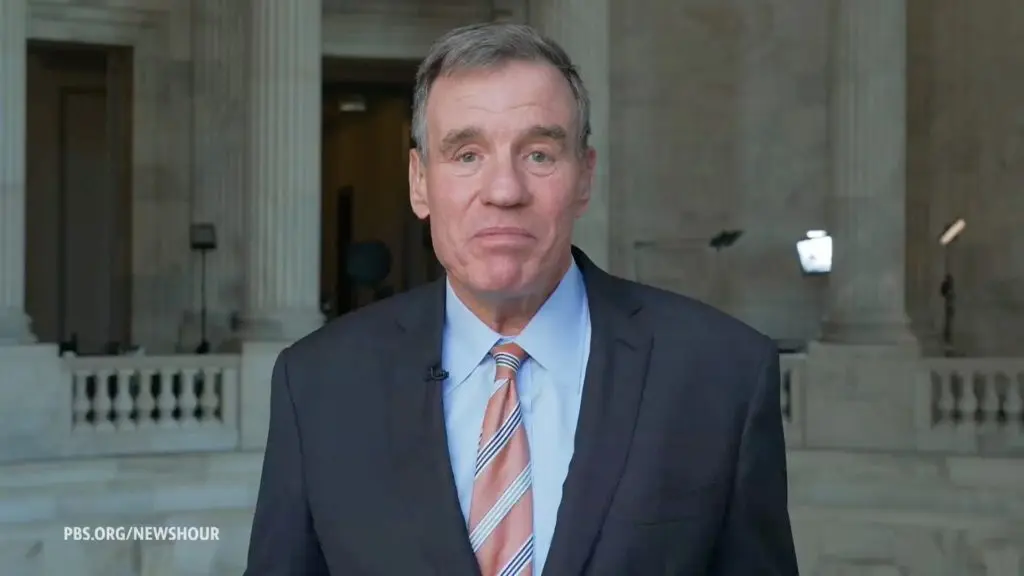
Senator Mark Warner, a prominent voice on technology policy, issued a strong statement on September 15, 2026. He asserted that the United States can simultaneously enhance artificial intelligence safety protocols and maintain its global leadership position. This declaration addresses growing public anxiety regarding the rapid development of autonomous systems. Warner emphasized that security measures and competitive speed are not mutually exclusive goals for American policymakers.
Latest news
 Saudi Arabia Declares Mecca Attack Attempt a Red Line as Houthis Deny Involvement
 Surrey Oil Drilling Project Sold After Supreme Court Rejection
 Union leaders urge bold action for Labour leader
 Wildfire Crisis Deepens as Federal Firefighter Shortage Plagues Summer Season
The debate centers on whether rigorous safety controls slow down innovation. Warner rejects this binary choice. He believes that robust regulatory frameworks can actually accelerate trustworthy adoption. This perspective challenges the prevailing narrative that safety is a burden on progress. Instead, he frames it as a foundation for sustainable technological dominance.
Warner’s comments reflect a broader shift in Washington’s approach to artificial intelligence. Lawmakers are moving away from a purely deregulatory stance. They now recognize that unchecked deployment poses significant national security risks. The senator highlighted the need for clear standards that protect users without stifling developers. This approach aims to build trust in the technology. It also seeks to prevent catastrophic failures that could undermine public confidence. By establishing these guardrails, the U. S. can ensure that its AI systems are reliable and secure.
Can Safety Standards Outpace Chinese Innovation?
Critics often argue that strict rules give rivals like China an advantage. Warner counters that China’s approach has its own vulnerabilities. He suggests that a focus on safety creates a more stable environment for long-term growth. This stability attracts investment and talent. It also reduces the likelihood of costly mistakes that could derail entire projects. The senator’s view is that quality and safety are market differentiators. They are not just ethical obligations.
The geopolitical implications of this strategy are significant. As the U. S. tightens its internal controls, it signals a commitment to responsible innovation. This stance may influence international partners to adopt similar standards. It could create a bloc of nations prioritizing AI ethics and security. Such a coalition would strengthen the West’s position in global tech governance. Warner’s argument suggests that the race is not just about speed. It is also about who builds the most trustworthy systems.
Frequently Asked Questions
The outlook for U. S. AI policy remains dynamic. Warner’s position provides a clear path forward for legislators. It offers a compromise between those demanding immediate regulation and those advocating for free market growth. By adopting safety measures, the U. S. can mitigate risks while continuing to lead in AI development. This balanced approach ensures that technological progress benefits society without compromising national security. The coming months will test whether this strategy gains sufficient political support.
Does Warner believe safety slows down AI development? No, Senator Warner explicitly states that strengthening safety does not mean losing the race to China. He argues that safety and competitiveness can coexist without one hindering the other.
What is the main goal of Warner’s proposed approach? The primary goal is to protect national security while maintaining U. S. leadership in artificial intelligence. It aims to create a stable environment for innovation that rivals cannot easily replicate.