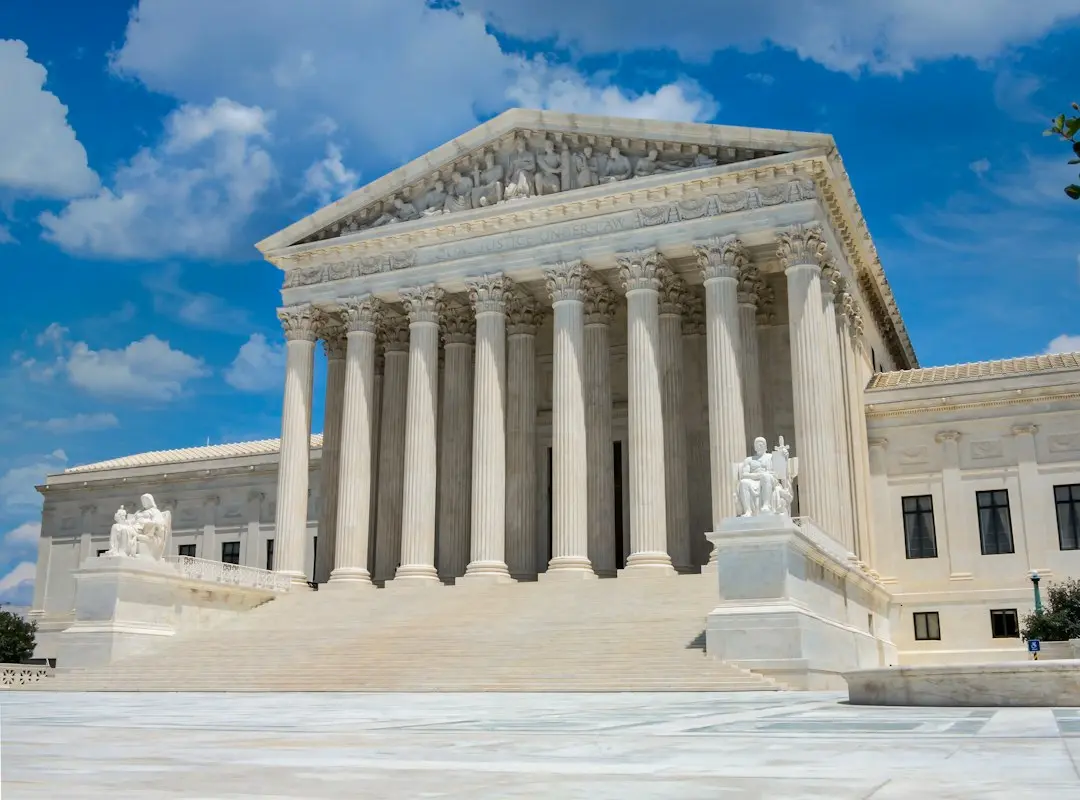
Legal Basis for Emergency Intervention
The US Supreme Court has granted an emergency petition allowing the Trump administration to proceed with deporting migrants to third countries while legal challenges continue. The decision comes ahead of scheduled oral arguments in December regarding the legality of the policy. The ruling applies to individuals subject to removal under agreements with nations not their country of origin.
Latest news
 G20 Trade Ministers Gather in Wisconsin Amid Tariff Tension
 Senate Democrats Unite to Push for West Bank Violence Report
 Sandino's Rebellion Against U.S. Occupation Begins in Nicaragua
 Diesel Surpasses Gasoline as Europe's Most Expensive Fuel
The policy in question involves sending asylum seekers to countries like Guatemala or Honduras during the processing of their claims in the United States. Critics argue the practice endangers vulnerable populations and violates international obligations. The administration maintains the agreements are lawful and necessary to manage border security. Lower courts had previously issued conflicting rulings on the matter, prompting the urgent appeal to the highest court.
What Are the Implications for Asylum Seekers?
The Supreme Court’s order reflects the administration’s urgency to maintain operational continuity amid ongoing litigation. By granting the stay, the Court signaled that the petitioners challenging the policy did not meet the high threshold required to block government action during pendency of the case. The justices did not rule on the merits but acknowledged the complexity of immigration enforcement equities. The decision underscores the Court’s reluctance to interfere with executive authority in foreign policy-related immigration measures without clear legal error.
Human rights organizations warn that the ruling could result in thousands being sent to nations with limited capacity to protect refugees. Advocacy groups cite documented cases of returned individuals facing persecution or inadequate shelter in host countries. The administration counters that the agreements include safeguards and monitoring mechanisms. Legal experts note the December arguments will determine whether the policy can survive long-term judicial scrutiny, potentially reshaping how the US handles asylum claims at its southern border.
What does the Supreme Court’s decision actually allow? It permits the government to continue deporting individuals to third countries while the case proceeds, but does not finalize the policy’s legality.
Frequently Asked Questions
Why did the Court act before hearing arguments? The emergency petition sought to prevent disruption of an existing program, and the Court found sufficient reason to maintain the status quo temporarily.
Could this decision be reversed later? Yes, the final ruling after December’s arguments could uphold, modify, or terminate the policy based on constitutional and statutory interpretation.