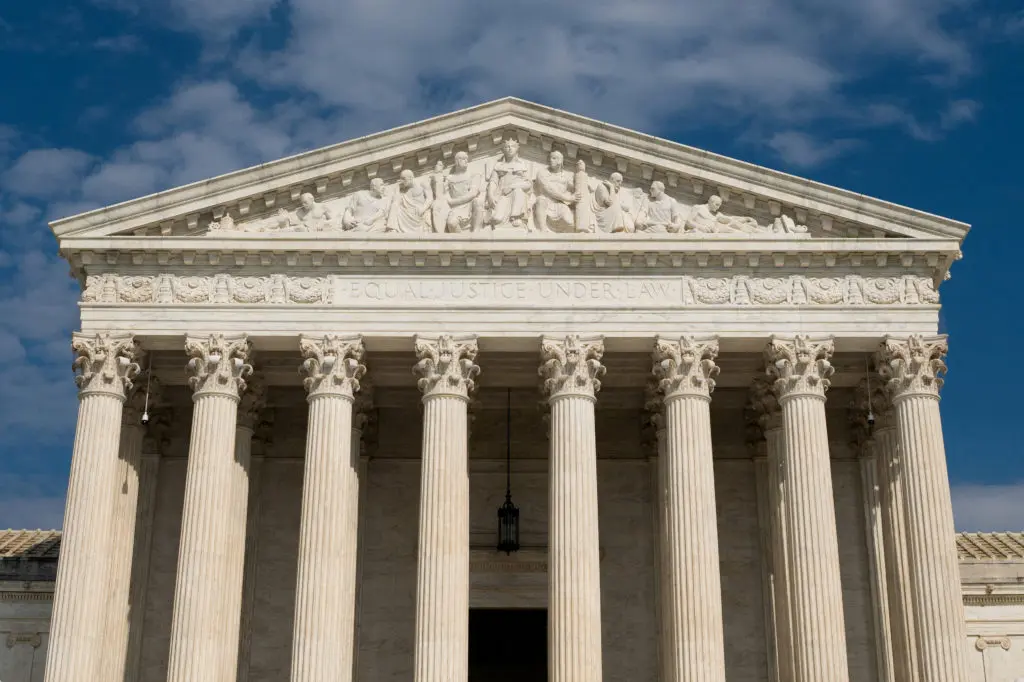
Legal Basis for Third-Country Transfers Under Review
On Tuesday, the U. S. Supreme Court ruled that the Trump administration may continue its policy of deporting certain non-citizens to third countries while legal challenges proceed. The decision allows the government to send individuals to nations where they do not hold citizenship, pending further court review. The ruling came in response to emergency appeals filed by immigrant advocacy groups seeking to halt the practice immediately. The Court did not issue a final judgment on the policy’s legality but granted a temporary stay enabling deportations to continue under existing guidelines. The case centers on whether such transfers violate U. S. immigration law and international obligations regarding refugee protection. Officials argue the measure helps manage border pressures and ensures compliance with removal orders. Critics contend it risks sending vulnerable people to countries where they may face persecution or inhumane treatment.
Latest news
 G20 Trade Ministers Gather in Wisconsin Amid Tariff Tension
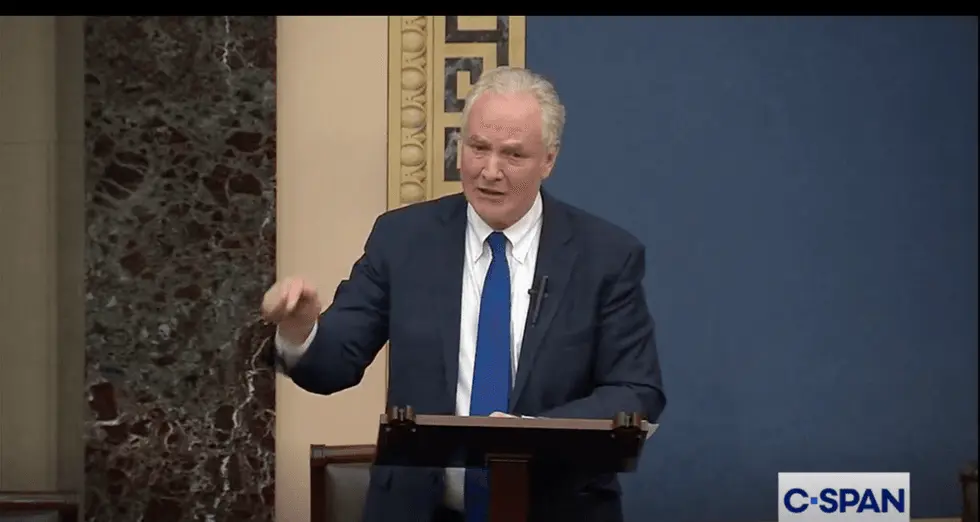 Senate Democrats Unite to Push for West Bank Violence Report
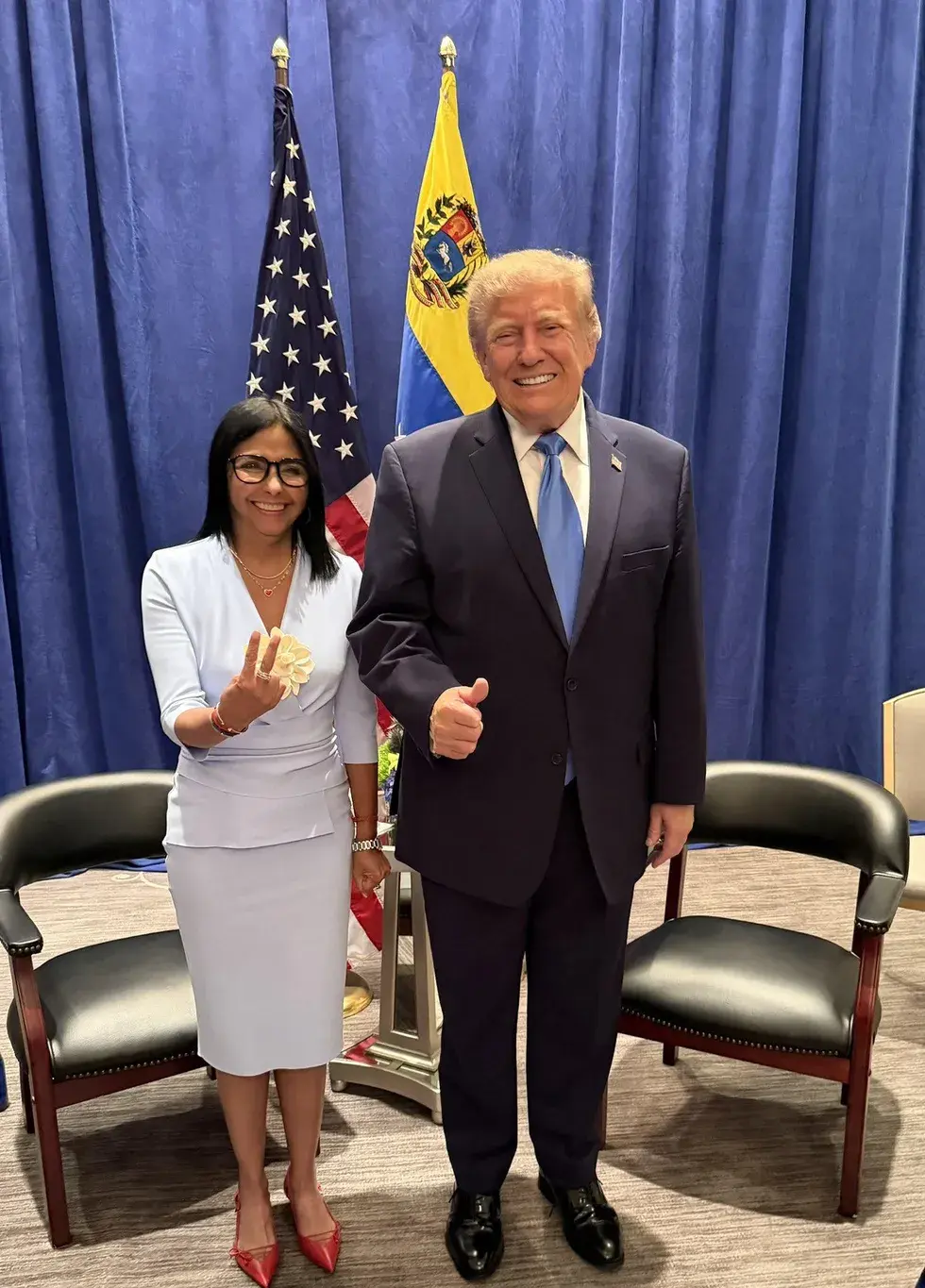 Sandino's Rebellion Against U.S. Occupation Begins in Nicaragua
 Diesel Surpasses Gasoline as Europe's Most Expensive Fuel
The policy primarily affects individuals from Central America and Haiti who have been denied asylum or other relief.
The administration relies on a provision in immigration law that permits removal to a safe third country when asylum seekers have passed through or could have sought protection elsewhere. Government lawyers maintain that the policy deters frivolous claims and encourages asylum seekers to pursue protection in the first safe nation they encounter. Immigration judges have historically applied this rule narrowly, requiring proof that the third country offers a fair asylum process and respects non-refoulement principles. The Supreme Court’s interim decision does not evaluate these conditions but preserves the status quo while lower courts examine the evidence. Advocacy groups point to documented cases where deportees faced threats upon arrival in designated third countries, undermining claims of safety. They argue the policy shifts U. S. responsibility abroad without adequate safeguards. The Court’s silence on these concerns leaves open the possibility of future intervention if evidence of harm emerges.
The ruling could lead to an increase in expulsions to countries like Guatemala, Mexico, or Panama, even for individuals who fear return to their homelands. Migrants intercepted near the border may be swiftly transferred without full hearings, limiting their ability to present asylum claims. Legal representatives warn this creates a parallel system that bypasses traditional immigration courts. Some border officials say the policy speeds up processing and reduces detention costs. Humanitarian organizations counter that speed should not come at the expense of due process or safety. The long-term impact depends on whether federal courts ultimately uphold or strike down the mechanism. Until then, deportations to third countries will remain a tool in the administration’s enforcement strategy, subject to ongoing litigation and potential policy shifts based on judicial outcomes. Frequently Asked Questions What does the Supreme Court’s decision actually allow?
How Might This Affect Asylum Seekers at the Border?
It permits the Trump administration to continue deporting certain individuals to third countries while lawsuits challenging the policy move through lower courts. The Court did not rule on the policy’s constitutionality or legality, only that it may proceed temporarily.
Which countries are involved in these deportation transfers? The policy primarily involves sending migrants to nations in Central America and the Caribbean, such as Guatemala, Honduras, El Salvador, and sometimes Mexico or Panama, based on bilateral agreements and perceived safety assessments.
Could this policy be stopped permanently in the future? Yes, if federal courts determine the practice violates immigration law or international treaties, they could issue a permanent injunction. The Supreme Court’s current ruling is interim and does not prevent future legal challenges from succeeding.