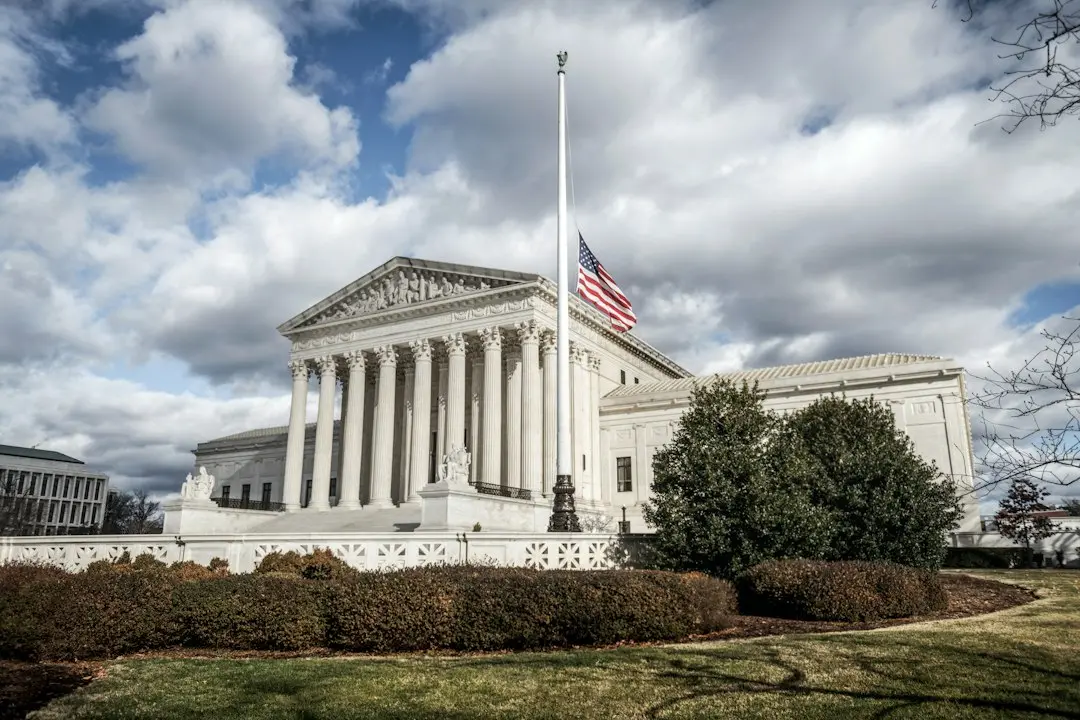
Judicial Power Meets Environmental Urgency
The United States Supreme Court convened in Washington to evaluate a monumental environmental lawsuit that carries profound implications for global climate policy. Simultaneously, the contentious presidential election in Brazil reached its ultimate conclusion, reshaping the political landscape of South America and signaling a pivotal moment for international ecological diplomacy.
Latest news
 Unmarked graves holding multiple bodies discovered across Australian states
 Mark Thompson to Stay at CNN After Paramount Skydance Takeover
 Suspected Plague Case Claims Life of Siberian Researcher
 SpaceXAI Rebrands as SpaceXSI, Following Trump‑Style Corporate Shuffle
The American legal battle centers on government authority and environmental regulations. Justices heard arguments regarding how far federal agencies can go in curbing emissions. This decision could reshape energy markets and redefine environmental oversight for decades.
At the same time, Brazil's democratic process culminated in a decisive shift of power. Voters chose a new direction for the nation, setting the stage for vastly different policies concerning the Amazon rainforest and global carbon reduction targets.
Will These Legal and Political Shifts Alter Global Climate Strategy?
Legal experts note that the Supreme Court's ruling may extend far beyond domestic energy policy. The outcome could restrict regulatory agencies from tackling complex ecological crises without explicit congressional approval.
Across the globe, the conclusion of Brazil's electoral cycle marks an equally critical turning point. The incoming administration inherits immense pressure to protect vital ecosystems while managing economic growth. Observers worldwide are closely monitoring how these concurrent events will influence multilateral climate agreements.
Both developments hold the potential to accelerate or hinder worldwide decarbonization efforts. Decisions made in Washington courts directly impact national emission targets. Meanwhile, leadership changes in Brasilia dictate the fate of the world's largest tropical rainforest.
Frequently Asked Questions
The convergence of these events highlights a critical juncture for international environmental governance. Nations are balancing immediate economic pressures against the worsening threats of global warming.
What is the main focus of the Supreme Court climate case? The justices are evaluating the extent of federal authority to regulate carbon emissions and enforce environmental protections without explicit congressional mandates.
Why is the conclusion of Brazil's election significant for the environment? Brazil governs the Amazon rainforest, making its national leadership crucial for global biodiversity conservation and international climate commitments.